
Create AI videos free — no sign-up to start
Explore real text-to-video directions
See exact generation prompt
A premium macro commercial shot opens on a matte black smartwatch resting on a reflective obsidian table in a clean white studio. Fine droplets bead on the glass while a ribbon of cool blue light sweeps across the metal edge. The camera circles slowly at table height and settles on a clean hero shot. Subtle electronic pulse, mechanical tick, one continuous shot.
Direct the subject, camera, lighting, motion, dialogue and sound from one prompt.
Use an uploaded image as the opening frame, then direct the motion that follows.
Use models that generate sound, dialogue or lip sync when the selected model supports it.
Duration, resolution, aspect ratio and reference fields come directly from each live model contract.
Video models
 MiniMaxMiniMax H3 Turbo
- Modalities
- text / image / video / audio → video / audio
- Released
- Jul 31, 2026
- Capabilities
- Text to video and stereo audio · First/end frame guidance · Control video · Injected keyframes · Soundtrack guidance · Control-video audio reuse · Audio generation from control video · Sliding-window continuation · Sol-Attn · Optional AI 2× upscale · Optional First Block Cache
- Architecture
- FL2VA Pruned 20B · W8A8
- Turbo
- v4 step600 EMA · 6 steps
- Output
- Video + stereo audio
MiniMax H3 FL2VA Pruned 20B W8A8 Turbo for synchronized video and stereo-audio generation with first/end frames, control video, keyframe injection, soundtrack guidance, and long-window continuation.
 LightricksLTX-2.5 Distilled
- Modalities
- text / image / video / audio → video / audio
- Released
- Aug 11, 2026
- Capabilities
- Native multi-shot story · Two-stage quality · Automatic duration · Diffusion video decoder · Video extension · Ingredients · Inpainting · Outpainting · First/end frames · Exact keyframes · Pose control · Depth control · Canny control · Raw video control · INT8 16GB execution
- References
- First/end frames · keyframes · control video
- Resolution
- 480p · 540p · 720p · 1080p
- Duration
- 1–20 sec
Fast LTX-2.5 synchronized audio-video generation with first/end frames, exact keyframes, video extension, soundtrack guidance, and control video.
 GizAIVideo Upscale & Enhance
- Modalities
- video → video
- Released
- Jul 3, 2024
- Capabilities
- Upscale · Denoise · Deblur
- Output
- HD · FHD · 2K · 4K
- Processing
- AI enhancement
Upscale, clean up, sharpen, or resize an existing video with AI or standard processing.
GizAIVideo Interpolate- Modalities
- video → video
- Released
- Jul 3, 2024
- Capabilities
- Frame interpolation · Motion smoothing
- Frame rate
- 2x · 3x · 4x
- Quality
- Fast · Balanced · Quality
Increase video frame rate with frame interpolation.
GizAIProduct Ads Video- Modalities
- image / text → video / audio
- Released
- Dec 24, 2024
- Input
- Product image + prompt
- Formats
- MP4 (Synchronized Video + Audio)
Create video with Product Ads Video.
 Soul AISoulX FlashHead (Talking Head)
- Modalities
- text / image / audio → video
- Released
- Feb 12, 2026
- Capabilities
- Talking head · Lip sync · Voice cloning
- Input
- Face image + Audio/Speech
- Formats
- MP4 (Talking Head Video)
Real-time talking-head model that animates a face image with speech and accurate lip sync.
 TME Lyra LabMuseTalk 1.5 (Video Lipsync)
- Modalities
- text / video / audio → video
- Released
- Oct 15, 2024
- Capabilities
- Lip sync · Speech synthesis · Voice cloning
- Input
- Video + speech/audio
- Formats
- MP4 (Synchronized Lipsync)
Lip-sync model that retimes mouth motion in an existing video to match a new audio track.
 xAIGrok Imagine Video 1.5
- Modalities
- text / image → video
- Released
- May 30, 2026
- References
- Up to 7 images
- Resolution
- 480p · 720p · 1080p
- Duration
- 1–15 sec
- Formats
- MP4 · WEBM · MOV
Higher-tier Grok image-to-video generation from a single starting frame with longer durations and stronger output quality

 Pruna AIP-Video-2
- Modalities
- text / image / audio → video
- Released
- Sep 10, 2026
- Price
- ≈ $0.0165–0.055/sec
- Keyframes
- Up to 2 positioned frames
- Resolution
- 720p · 1080p
- Duration
- 1–20 sec
Quality-focused multimodal video generation with native audio, stronger lip sync, and consistent subjects

 Black Forest LabsFLUX Video Edit [fast]
- Modalities
- text / video → video
- Released
- Sep 9, 2026
- Price
- ≈ $0.033/sec
- Capabilities
- Edit
- Formats
- MP4 · WEBM · MOV
Fast prompt-driven video editing that preserves the source clip's motion, timing, framing, and audio
 MiniMaxMiniMax H3 Fast
- Modalities
- text / image / video / audio → video
- Released
- Sep 8, 2026
- Price
- ≈ $0.0506/sec
- References
- Up to 9 images
- Keyframes
- Up to 2 positioned frames
- Duration
- 4–15 sec
Fast multimodal video generation with native audio and image, video, and audio reference control
 Pruna AIP-Video-Edit
- Modalities
- text / image / video → video
- Released
- Sep 3, 2026
- Price
- ≈ $0.0275–0.0495/sec
- Capabilities
- Edit
- References
- Up to 4 images
- Formats
- MP4 · WEBM · MOV
Instruction-based video editing with reference-guided control and preserved motion, structure, and audio
 MiniMaxMiniMax H3 Max Turbo
- Modalities
- text / image → video
- Released
- Sep 2, 2026
- Price
- ≈ $0.0275–0.044/sec
- Keyframes
- Up to 2 positioned frames
- Resolution
- 480p · 768p
- Duration
- 5–15 sec
Distilled H3 Max video generation for faster iteration with native audio and first-to-last frame control
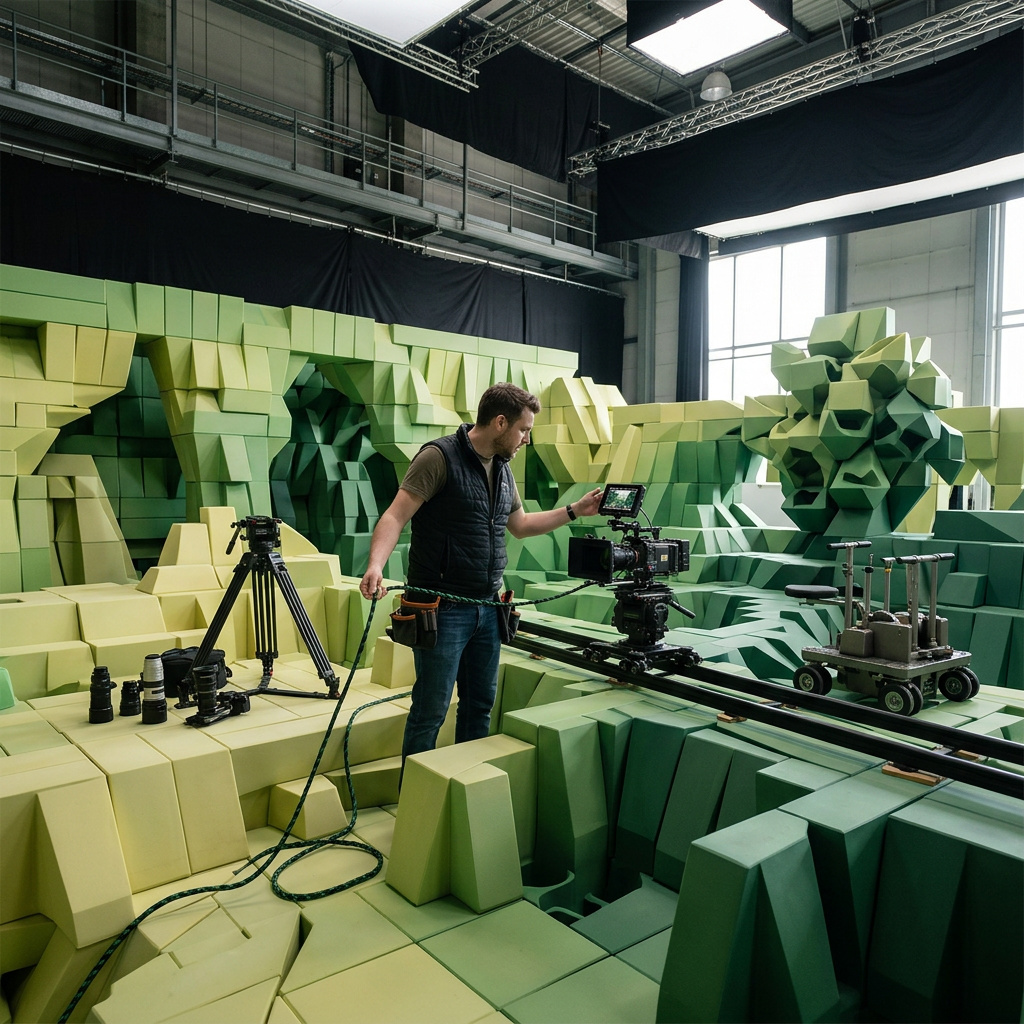
 GoogleGemini Omni Flash 1.1
- Modalities
- text / image / video → video
- Released
- Aug 27, 2026
- Price
- ≈ $0.111/sec
- Capabilities
- Edit · Extend
- References
- Up to 7 images
- Keyframes
- Up to 2 positioned frames
4K multimodal video generation and editing with native audio, clip extension, start-to-end interpolation, and reference video control
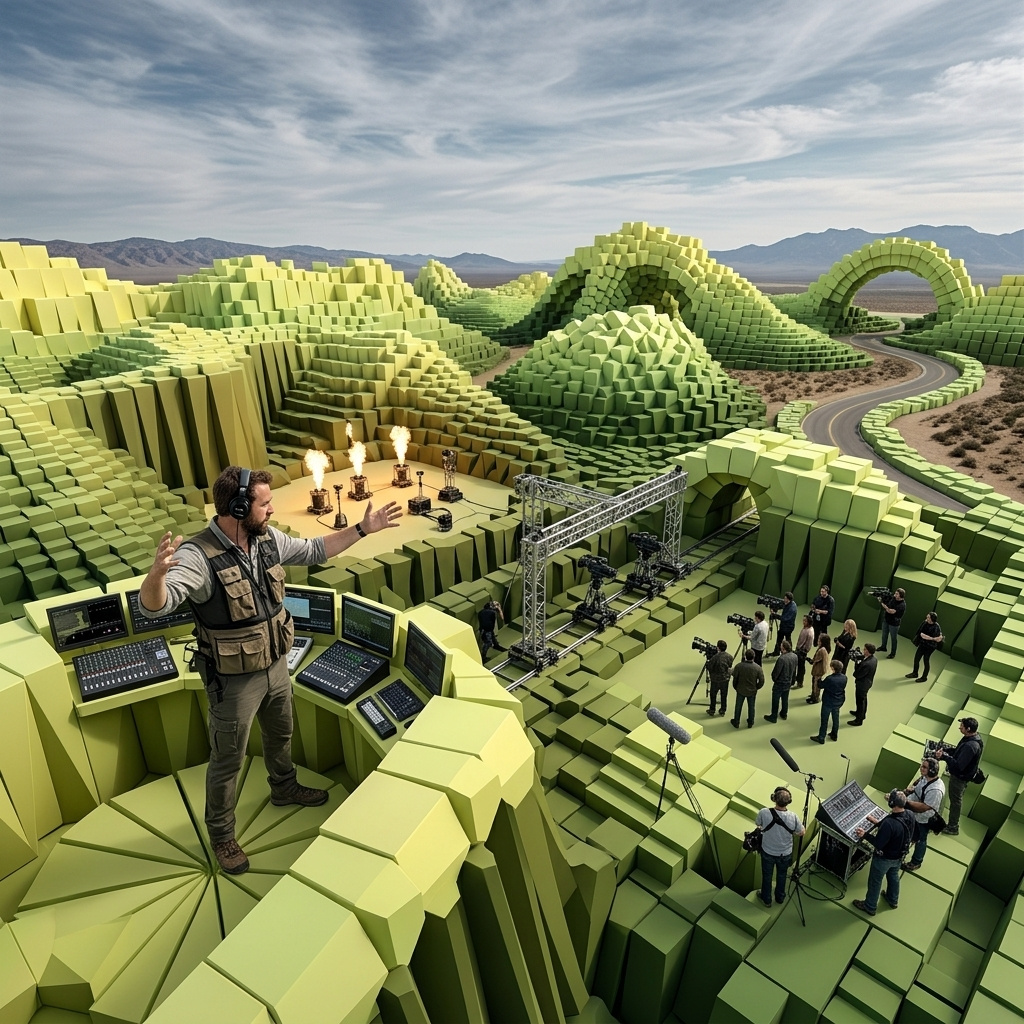 MiniMaxMiniMax H3 Max
- Modalities
- text / image / video / audio → video
- Released
- Aug 26, 2026
- Price
- ≈ $0.055–0.088/sec
- References
- Up to 9 images
- Keyframes
- Up to 2 positioned frames
- Resolution
- 480p · 768p
High-throughput video generation with stronger prompt adherence, native synced audio, and first-to-last frame control

 AlibabaWan3.0 Prime
- Modalities
- text / image / video / audio → video
- Released
- Aug 24, 2026
- Price
- ≈ $0.0748–0.308/sec
- Capabilities
- Edit · Extend
- References
- Up to 10 images
- Keyframes
- Up to 2 positioned frames
Lower-latency Wan3.0 video generation with the same multimodal workflows and output quality
 AlibabaWan3.0
- Modalities
- text / image / video / audio → video
- Released
- Aug 24, 2026
- Price
- ≈ $0.055–0.22/sec
- Capabilities
- Edit · Extend
- References
- Up to 10 images
- Keyframes
- Up to 2 positioned frames
All-in-one multimodal video generation with native 30-second clips, large reference capacity, and precise video editing
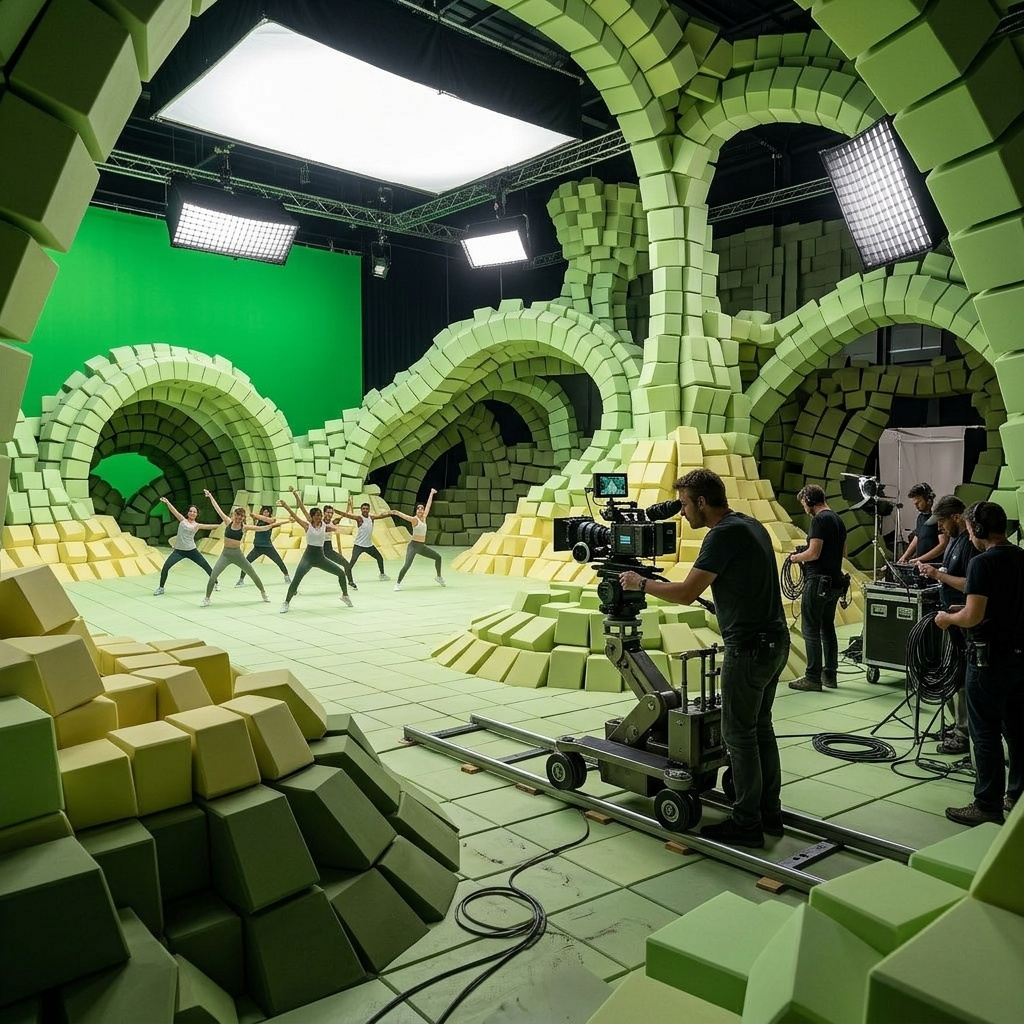 LightricksLTX-2.5 Fast
- Modalities
- text / image / audio → video
- Released
- Aug 11, 2026
- Price
- ≈ $0.099–0.33/sec
- Keyframes
- Up to 2 positioned frames
- Formats
- MP4 · WEBM · MOV
Fast high-resolution video generation with longer clip support, native audio, and first-to-last-frame control
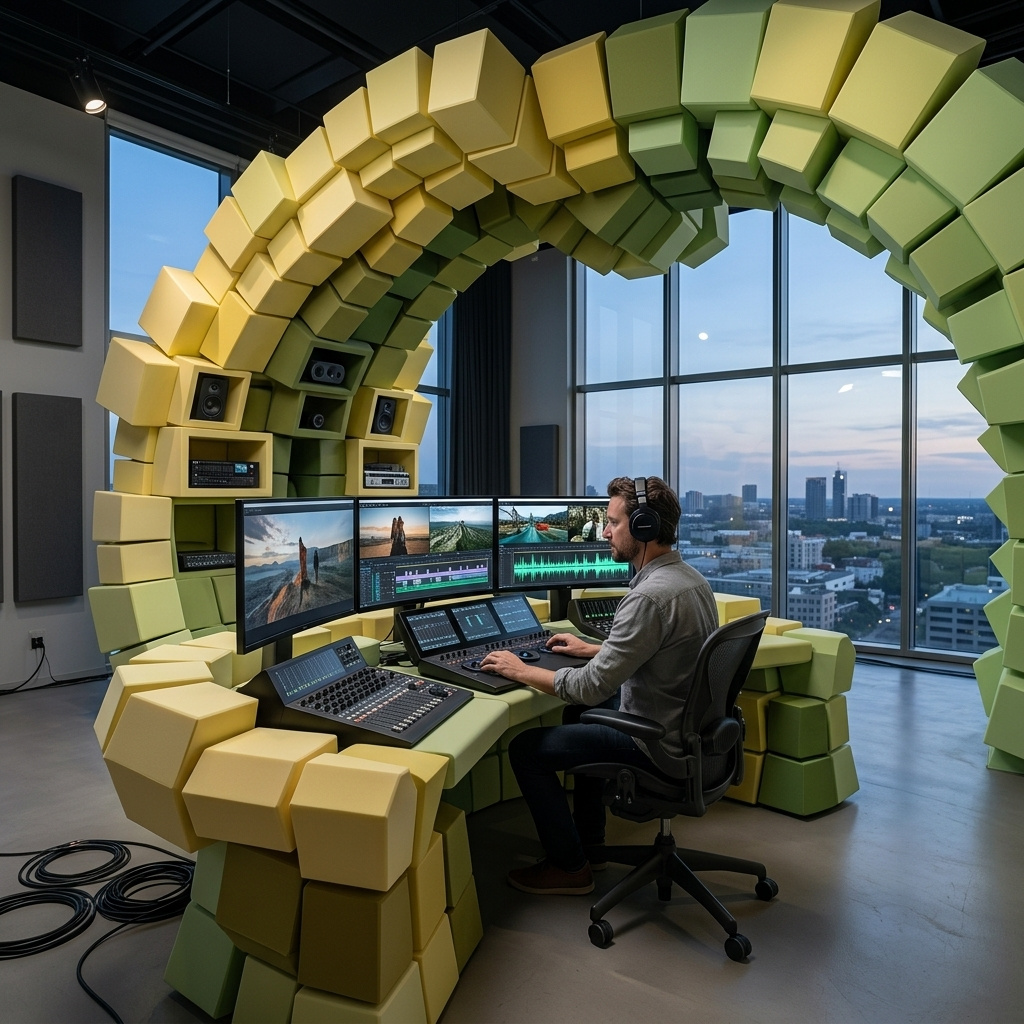 LightricksLTX-2.5 Pro
- Modalities
- text / image / audio → video
- Released
- Aug 11, 2026
- Price
- ≈ $0.132–0.187/sec
- Capabilities
- Edit · Extend
- Keyframes
- Up to 2 positioned frames
- Formats
- MP4 · WEBM · MOV
High-fidelity multimodal video generation with native audio, editing workflows, and up to 4K output
 ByteDanceSeedance 2.5
- Modalities
- text / image / video / audio → video
- Released
- Aug 7, 2026
- Price
- ≈ $0.113–0.808/sec
- Capabilities
- Edit
- References
- Up to 30 images
- Keyframes
- Up to 2 positioned frames
Professional multimodal video generation with native 30-second clips, large-scale reference control, and precise localized editing
Choose a video model by shot, source, and sound
Text-to-video, image-to-video, native audio, duration, resolution, camera control, speed, and cost differ substantially by model.
 MiniMax H3 Turbo
- Best for
- The primary fast video workflow with native audio from a prompt or first-frame image
- Why choose it
- Combines short-form video, speech, sound, and optional first-frame guidance in one included generation.
- Watch for
- Review identity, motion, dialogue, sound, text, and continuity before publishing.
LTX-2.5 Distilled- Best for
- Broader video, audio, reference, and keyframe workflows
- Why choose it
- Use its wider input contract when the task needs controls beyond H3 Turbo’s primary prompt or first-frame flow.
- Watch for
- Complex prompts and longer shots still need continuity, anatomy, sound, and frame-level review.
 Grok Imagine Video 1.5
- Best for
- Six-second video from text or a starting image
- Why choose it
- Offers multiple aspect ratios with 480p or 720p output for a focused cinematic clip.
- Watch for
- The current route is limited to six seconds; confirm the live input and resolution settings before generating.
What AI video generation cannot guarantee
Faces, hands, objects, clothing, text, lighting, and backgrounds can change between frames or across cuts.
Contact, weight, liquid, crowds, fast motion, lip sync, choreography, and event timing may look plausible while being incorrect.
Dialogue, sound, music, and lip synchronization are available only when the selected contract exposes them and still require listening review.
Authorized images can guide a result, but likeness, product geometry, typography, and branding may drift and require frame-by-frame approval.
Generated clips may need editing, color, stabilization, captions, sound mix, rights clearance, disclosure, and export validation.
How this page was reviewed
Written by GizAI Product Team · Reviewed by GizAI Model Operations · Updated 2026-07-16
GizAI publishes this AI video generator page about its own product. Model names, inputs, controls, access, and plan requirements come from the live GizAI catalog; examples and editorial guidance explain practical use without promising flawless output.
- Match the AI video generator default, offered models, and example inputs to active GizAI model contracts.
- Run the public form through model selection, example application, and the canonical Assistant handoff.
- Watch representative clips with and without audio, compare prompt-result fidelity, and inspect identity, motion, text, timing, and artifacts.
- Verify one canonical URL, visible FAQs, structured data, internal links, desktop layout, and mobile layout.
AI video generator FAQ
Can I try AI video generation without signing up?
Yes, on models with an included free allowance. Anonymous use is limited, and the model card shows the current request allowance or usage basis. Models configured for sign-in or paid access require an account.
What can I use as input?
Use a text prompt on text-to-video models. Other models may accept or require a reference image, source video, audio, or character. Select a model to see its actual input fields.
Which video lengths and resolutions are supported?
They vary by model. Duration, resolution, aspect ratio, and other available settings come from the selected model and appear in its settings rather than being promised for every model.
Will the generated video include audio?
Only when the selected model and settings support audio. Models without an audio option should be treated as silent video generators.
How is AI video usage priced?
Each model card shows its included request allowance or whether usage-based pricing applies. Catalog-backed models may also show a starting price. Availability and final usage depend on the selected model, settings, and current account plan.
Which video model should I choose?
Start with MiniMax H3 Turbo for fast text- or image-to-video with synchronized audio. Choose LTX for broader multimodal and keyframe workflows, or another live model when its duration, resolution, editing, or provider-specific controls better fit the shot.
How do I write a strong AI video prompt?
Describe one coherent shot: subject, action, environment, camera position and movement, lighting, timing, sound, dialogue, style, and details that must stay fixed. Split unrelated beats into separate shots.
How do I preserve a product or character?
Use authorized reference images, name the source role, constrain motion, list identity and geometry invariants, avoid unnecessary cuts, and compare every frame with the approved reference.
Can I use an AI-generated video commercially?
Commercial suitability depends on source rights, likeness consent, model and provider terms, your plan, claims, music and voice rights, disclosure, and the intended platform. Review the finished edit before release.