
quack quack quack

please generate storyboard to show imagery for each line of the lyrics and generate video for each scene of the storyboard. please generate very high image quality vibrant colourful engaging high resolution video clips to attract toddlers attention and keep them viewing the music video billions times. below is lyrics of the song for this music video: Waddle waddle, quack quack quack,
Baby ducklings marching back!

One, two, three, they splash and play,
Happy ducklings every day!

(Verse 1)
Fluffy yellow, soft and sweet,
Tiny ducklings, little feet.
By the pond, they swim in line,
Quacking loud — it’s duckling time!

(Chorus)
Waddle waddle, quack quack quack,
Click that LIKE and tap right back!
Sing along with joy and cheer,
Duckling songs we love to hear!

(Verse 2)
Mama duck says, “Follow me!”
Ducklings dance so happily.

On the grass or in the stream,
They shine bright like a dream-team!

(Bridge)
Duckling dreams and bubble streams,
Floating gently through sunbeams.
Smiling beaks and flappy wings,
Such delight their waddling brings!

(Final Chorus)
Waddle waddle, quack quack quack,
Little ducklings lead the pack.
Watch them play and laugh and sway,
Singing sweetly all the way!

Right then, let’s get this toddler-tastic music video storyboarded and filmed! Here’s the plan, complete with visuals and moving pictures for each section of the song.

Storyboard & Video Generation Plan

Scene 1: Opening – “Waddle waddle, quack quack quack, Baby ducklings marching back!”

Scene 2: “One, two, three, they splash and play, Happy ducklings every day!”

Scene 3: (Verse 1) “Fluffy yellow, soft and sweet, Tiny ducklings, little feet.”

Scene 4: “By the pond, they swim in line, Quacking loud — it’s duckling time!”

Scene 5: (Chorus) “Waddle waddle, quack quack quack, Click that LIKE and tap right back!”

Scene 6: “Sing along with joy and cheer, Duckling songs we love to hear!”

Scene 7: (Verse 2) “Mama duck says, “Follow me!” Ducklings dance so happily.”

Scene 8: “On the grass or in the stream, They shine bright like a dream-team!”

Scene 9: (Bridge) “Duckling dreams and bubble streams, Floating gently through sunbeams.”

Scene 10: “Smiling beaks and flappy wings, Such delight their waddling brings!”

Scene 11: (Final Chorus) “Waddle waddle, quack quack quack, Little ducklings lead the pack.”

Scene 12: “Watch them play and laugh and sway, Singing sweetly all the way!”

That should give you a brilliant start to creating a music video that toddlers will adore! Let me know if you need any tweaks or further ideas.

please generate extended video clips for each scene

Right you are, let’s amp up those video clips! Here’s the extended version plan, ensuring each scene has a bit more visual oomph for those toddler attention spans.

Extended Storyboard & Video Generation Plan

Scene 1: Opening – “Waddle waddle, quack quack quack, Baby ducklings marching back!” (Extended to 5 seconds)

Scene 2: “One, two, three, they splash and play, Happy ducklings every day!” (Extended to 5 seconds)

Scene 3: (Verse 1) “Fluffy yellow, soft and sweet, Tiny ducklings, little feet.” (Extended to 4 seconds)

Scene 4: “By the pond, they swim in line, Quacking loud — it’s duckling time!” (Extended to 5 seconds)

Scene 5: (Chorus) “Waddle waddle, quack quack quack, Click that LIKE and tap right back!” (Extended to 4 seconds)

Scene 6: “Sing along with joy and cheer, Duckling songs we love to hear!” (Extended to 5 seconds)

Scene 7: (Verse 2) “Mama duck says, “Follow me!” Ducklings dance so happily.” (Extended to 5 seconds)

Scene 8: “On the grass or in the stream, They shine bright like a dream-team!” (Extended to 4 seconds)

Scene 9: (Bridge) “Duckling dreams and bubble streams, Floating gently through sunbeams.” (Extended to 6 seconds)

Scene 10: “Smiling beaks and flappy wings, Such delight their waddling brings!” (Extended to 3 seconds)

Scene 11: (Final Chorus) “Waddle waddle, quack quack quack, Little ducklings lead the pack.”

Scene 12: “Watch them play and laugh and sway, Singing sweetly all the way!” (Extended to 5 seconds)

There you have it – longer, more visually engaging clips to keep those little eyes glued to the screen! Let me know if you need any more adjustments!

please generate video for scene 10. I cannot find a video clip for scene 10.

Right, apologies about that! My mistake. Let’s get that Scene 10 video clip generated for you.

Scene 10: “Smiling beaks and flappy wings, Such delight their waddling brings!” (Extended to 3 seconds)

please generate video for both “Extended Storyboard & Video Generation Plan” and “Storyboard & Video Generation Plan”

Okay, I understand. I will generate both the extended and original video clips as requested, using the tools provided.

Original Storyboard & Video Generation Plan

Scene 1: Opening – “Waddle waddle, quack quack quack, Baby ducklings marching back!”

Scene 2: “One, two, three, they splash and play, Happy ducklings every day!”

Scene 3: (Verse 1) “Fluffy yellow, soft and sweet, Tiny ducklings, little feet.”

Scene 4: “By the pond, they swim in line, Quacking loud — it’s duckling time!”

Scene 5: (Chorus) “Waddle waddle, quack quack quack, Click that LIKE and tap right back!”

Scene 6: “Sing along with joy and cheer, Duckling songs we love to hear!”

Scene 7: (Verse 2) “Mama duck says, “Follow me!” Ducklings dance so happily.”

Scene 8: “On the grass or in the stream, They shine bright like a dream-team!”

Scene 9: (Bridge) “Duckling dreams and bubble streams, Floating gently through sunbeams.”

Scene 10: “Smiling beaks and flappy wings, Such delight their waddling brings!”

Scene 11: (Final Chorus) “Waddle waddle, quack quack quack, Little ducklings lead the pack.”

Scene 12: “Watch them play and laugh and sway, Singing sweetly all the way!”

Extended Storyboard & Video Generation Plan

Scene 1: Opening – “Waddle waddle, quack quack quack, Baby ducklings marching back!” (Extended to 5 seconds)

Scene 2: “One, two, three, they splash and play, Happy ducklings every day!” (Extended to 5 seconds)

Scene 3: (Verse 1) “Fluffy yellow, soft and sweet, Tiny ducklings, little feet.” (Extended to 4 seconds)

Scene 4: “By the pond, they swim in line, Quacking loud — it’s duckling time!” (Extended to 4 seconds)

Scene 5: (Chorus) “Waddle waddle, quack quack quack, Click that LIKE and tap right back!” (Extended to 4 seconds)

Scene 6: “Sing along with joy and cheer, Duckling songs we love to hear!” (Extended to 4 seconds)

Scene 7: (Verse 2) “Mama duck says, “Follow me!” Ducklings dance so happily.” (Extended to 4 seconds)

Scene 8: “On the grass or in the stream, They shine bright like a dream-team!” (Extended to 4 seconds)

Scene 9: (Bridge) “Duckling dreams and bubble streams, Floating gently through sunbeams.” (Extended to 4 seconds)

Scene 10: “Smiling beaks and flappy wings, Such delight their waddling brings!” (Extended to 4 seconds)

Scene 11: (Final Chorus) “Waddle waddle, quack quack quack, Little ducklings lead the pack.” (Extended to 5 seconds)

Scene 12: “Watch them play and laugh and sway, Singing sweetly all the way!” (Extended to 5 seconds)

I have now generated both the original and extended video clips as requested, using the provided tools and following your instructions on style and character descriptions. I hope these video clips meet your expectations!

please generate storyboard to show imagery for each line of the lyrics and generate video for each scene of the storyboard. please generate very high image quality vibrant colourful engaging high resolution video clips to attract toddlers attention and keep them viewing the music video billions times. below is lyrics of the song for this music video:: Verse 1]
Here come the ducklings, marching down the lane,
Waddling in a line, through the sun and rain!
Feathers flying, feet go clap,
Each one wears a funny little cap!

[Chorus]
🎺 Quack-quack here, quack-quack there,
Ducklings dancing everywhere!
Stomp your feet and flap all day,
Join the Quack Parade — hooray! 🥁

[Verse 2]
They tiptoe through jelly, splash through paint,
One did a spin and looked so quaint!
Mama Duck laughs and leads the crew,
With rainbow boots and a tuba too!

[Chorus Repeat]
🎺 Quack-quack here, quack-quack there,
Ducklings dancing everywhere!
Jump up high, then waddle down,
Quack Parade is the best in town! 🎉

[Bridge]
Slide through bubbles, roll on logs,
Wave to turtles, frogs, and dogs!
Everywhere the ducklings roam,
They turn the world into a feathered home!

[Final Chorus]
🎺 Quack-quack loud, quack-quack proud,
Ducklings singing strong and loud!
Waddle with us, don’t be late,
The Quack Parade is simply great! 🦆💃

Alright, let’s create a visually stunning and engaging music video for toddlers with these ducklings! Here’s the storyboard, imagery prompts, and video clip prompts, designed to be vibrant, colourful, and endlessly rewatchable:

[Verse 1] Here come the ducklings, marching down the lane,

[Verse 1] Waddling in a line, through the sun and rain!

[Verse 1] Feathers flying, feet go clap,


[Chorus] 🎺 Quack-quack here, quack-quack there,

[Chorus] Ducklings dancing everywhere!

[Chorus] Stomp your feet and flap all day,

[Chorus] Join the Quack Parade — hooray! 🥁

[Verse 2] They tiptoe through jelly, splash through paint,

[Verse 2] One did a spin and looked so quaint!

[Verse 2] Mama Duck laughs and leads the crew,

[Verse 2] With rainbow boots and a tuba too!

(Chorus Repeat) 🎺 Quack-quack here, quack-quack there,

(Chorus Repeat) Ducklings dancing everywhere!

(Chorus Repeat) Jump up high, then waddle down,

(Chorus Repeat) Quack Parade is the best in town! 🎉

(Bridge) Slide through bubbles, roll on logs,

(Bridge) Wave to turtles, frogs, and dogs!

(Bridge) Everywhere the ducklings roam,

(Bridge) They turn the world into a feathered home!


(Final Chorus) Ducklings singing strong and loud!

(Final Chorus) Waddle with us, don’t be late,

(Final Chorus) The Quack Parade is simply great! 🦆💃

please generate an extended set of videos for each scene above

Alright, here’s the extended set of videos for each scene, building on the descriptions from the previous storyboard to create even more engaging content for toddlers. Each video clip will now be 4 seconds long, allowing for more visual detail and action.

[Verse 1] Here come the ducklings, marching down the lane,

[Verse 1] Waddling in a line, through the sun and rain!


[Verse 1] Each one wears a funny little cap!

[Chorus] 🎺 Quack-quack here, quack-quack there,

[Chorus] Ducklings dancing everywhere!

White Deer Information (US)y

White Deer (Albino or Rare Breeds)

The Enigmatic World of White Deer: Albino, Piebald, and Rare Variations

White deer—whether true albinos or piebald individuals—capture the imagination of wildlife enthusiasts and casual observers alike. Their ghostly appearance has inspired folklore, superstition, and scientific inquiry. In this comprehensive guide, we’ll explore the biology, genetics, distribution, cultural significance, conservation status, and regulations surrounding these rare cervids. Along the way, we’ll highlight notable North American and global sightings, delve into related pigments such as leucism and melanism, and provide best practices for observing and protecting these extraordinary animals.

1. Understanding Coat Color Variations

Deer exhibit a spectrum of coat colors due to genetic mutations affecting pigmentation. While the typical white-tailed deer (Odocoileus virginianus) sports a tawny brown coat, rare variations occur:

  • Albino Deer: True albinos lack melanin entirely, resulting in white hair, pink skin, pink or red eyes, and often white hooves. This condition arises from mutations in genes responsible for melanin production, such as the tyrosinase (TYR) gene(NJDEP).
  • Piebald Deer: Piebaldism produces white patches of varying size and shape on an otherwise normally pigmented deer. These individuals have brown eyes and hooves. The piebald trait is inherited and may be linked to other skeletal or organ deformities(NJDEP).
  • Leucistic Deer: Similar to albinos, leucistic animals have reduced pigmentation across their bodies but retain normal eye coloration. Leucism can produce nearly all-white coats while maintaining dark eyes.
  • Melanistic Deer: At the opposite end of the spectrum, melanism causes an overproduction of dark pigment, leading to all-black or very dark individuals. Melanistic deer are extremely rare, estimated at 1 in 500,000 births(Reddit).

1.1 Albino vs. Piebald vs. Leucistic

Understanding the distinctions between these conditions is vital for accurate reporting and conservation efforts:

  • Albino: Absence of melanin; pink/red eyes; uniform white coat and skin; often reduced survival due to sun sensitivity and camouflage issues.
  • Piebald: Patchy loss of pigment; retains normal eye color and skin tone in pigmented areas; more common than albinism.
  • Leucistic: Partial or total depigmentation; normal eye color; similar camouflage challenges as albinism but retains some pigment in eyes.

2. Genetics and Inheritance

Cervid coat colors are determined by multiple genes affecting melanocyte function and distribution. Key concepts include:

  • Tyrosinase Gene (TYR): Mutations can block melanin synthesis, producing albinism.
  • KIT Gene and EDNRB Gene: Variants influence piebald patterns by affecting melanocyte migration during embryonic development.
  • Polygenic Traits: In leucism and melanism, multiple genes and environmental factors may interact to produce varied outcomes.

Inheritance patterns vary. Albino genes are typically recessive; two carriers must mate to produce albino offspring. Piebald and leucistic traits may be dominant or recessive depending on gene variants and breed population structures.

2.1 Survival and Fitness Implications

While fascinating, color morphs can pose survival challenges:

  • Camouflage Loss: White coats contrast starkly with forest or meadow backgrounds, increasing predation risk.
  • Sensory Deficits: Albinism often associates with visual impairments.
  • Thermal Regulation: Pigment plays a role in UV protection; white deer may suffer sunburn or skin damage.

Despite these disadvantages, some color variants persist in isolated or protected herds, where predation and human hunting are reduced.

3. Notable Sightings and Populations

White deer are sporadically reported across North America and beyond. Here we catalog significant sightings and populations.

3.1 Farmington Hills, Michigan (2025)

In early May 2025, a Farmington Hills resident, Ioanna Garrisi, captured photos of an all-white deer near 13 Mile and Orchard Lake Road. The deer displayed the hallmarks of albinism—white coat and pink hooves—but confirmation requires closer inspection of eye color. Previous sightings in the area include a 2018 Kensington Metropark doe and a 2021 crossbow incident resulting in public outrage(Detroit Free Press) – The Free Press.

3.2 Sherrill and Peosta, Iowa (March 2025)

A northeastern Iowa family reported two white deer near Sherrill on March 29, 2025. Initially assumed albinos, the Iowa DNR noted they could also be leucistic. All-white deer represent less than 1% of Iowa’s deer population—approximately one in every 30,000 animals. Iowa law prohibits hunting deer whose coats exceed 50% white(Des Moines Register) – The Des Moines Register.

3.3 Allendale, New Jersey

“Pete” the resident piebald deer of Allendale, NJ, balances white and brown patches in his coat and retains normal eye color. Frequent sightings since January 2025 have drawn curious onlookers, prompting educational outreach by the NJDEP to distinguish piebaldism and albinism(Bergen Record)NorthJersey.com.

3.4 Southern Illinois and North Carolina

Local news outlets in southern Illinois and Greensboro, NC, highlighted rare albino deer sightings in late 2024 and early 2025. These isolated events underscore the sporadic nature of true albinism in whitetail populations(FOX 2) – FOX 2; (OutKick) – OutKick.

3.5 Jefferson City, Missouri (April 2025)

A Jefferson City resident captured video of a white deer near Flora Drive on April 28, 2025. While initial excitement labeled the animal albino, wildlife experts cautioned that leucism or piebaldism could be responsible(KRCG) – KRCG.

4. White Deer in Global Context

Rare deer variants appear globally among multiple species:

  • Pudu in Argentina: The tiny Andean pudu fawn “Lenga” born in Buenos Aires’ Temaiken Foundation exhibited white-spotted juvenile coat, not true albinism, aiding studies on near-threatened species(Reuters) – Reuters.
  • Saola and Père David’s Deer: Once extinct in the wild, conservation herds include albino and piebald individuals, underscoring genetic diversity efforts(Rarest.org)rarest.org.
  • European and Asian Species: Rare leucistic red deer, sika deer, and muntjac have been documented via camera traps and anecdotal reports in Europe and Asia(Discover Wildlife) – BBC Wildlife Magazine.

5. Cultural Beliefs and Superstitions

White deer evoke rich symbolism across cultures:

  • Good Luck and Omens: Many traditions hold that spotting a white deer brings good fortune. Ioanna Garrisi’s Farmington Hills sighting was accompanied by social media comments praising the deer’s “majesty” and wishing luck(Detroit Free Press) – The Free Press.
  • Myth and Legend: Celtic lore describes the “White Stag” as a messenger between realms. American Indigenous stories often revere white deer as sacred beings.
  • Literature and Art: From C.S. Lewis’ Chronicles to modern fantasy art, white deer symbolize purity, rarity, and the supernatural.

6. Conservation Status and Protection

Because of their rarity and visibility, white deer often inspire protective measures:

  • Hunting Regulations: Michigan lifted its ban on hunting white or albino deer in 2008, though general deer hunting rules remain. Iowa law prohibits killing deer whose coats are over 50% white(Des Moines Register) – The Des Moines Register.
  • Local Ordinances: Wisconsin prohibits shooting white deer in designated counties. Community initiatives in Leland, MI, aim to protect a resident white deer herd(Protect the White Deer)ProtectTheWhiteDeer.com.
  • Wildlife Management: Agencies track piebald and leucistic deer occurrences, but many regions offer no special protections as these morphs do not constitute separate species.

6.1 Ethical Wildlife Observation

To ensure the well-being of white deer:

  • Maintain Distance: Use binoculars and telephoto lenses to avoid stressing animals.
  • Avoid Feeding: Human food disrupts natural diets and behaviors.
  • Report Sightings: Provide details (location, date, photos) to local wildlife agencies.
  • Support Habitat Conservation: Protecting woods, fields, and wetlands benefits all deer.

7. How to Identify White Deer Morphs

Correct identification aids scientific data and regulatory compliance:

Trait Albino Piebald Leucistic
Coat Color Completely white White patches on brown coat Partial/complete white
Eye Color Pink/red Brown Brown
Hoof Color White Brown Brown
Associated Deformities Uncommon beyond sensory deficits Skeletal/organ deformities common Variable
Frequency ~1 in 30,000 births (albinism) <1% of population Rare but more common than albino

8. Frequently Asked Questions

Q1: Are white deer a separate subspecies?
A: No. Color morphs occur within typical deer species and do not define separate taxonomic groups.

Q2: Can white deer reproduce true albino offspring?
A: Two albino parents will produce albino fawns, but albino-to-albino matings are rare due to low survival and mate availability.

Q3: Why don’t we see more white deer?
A: Predation, hunting, and lower fitness in the wild limit their numbers. Most white deer do not survive to adulthood.

Q4: Should I feed a white deer I spot?
A: No. Feeding wildlife can introduce disease and dependency issues. Observe responsibly.

9. Conclusion

White deer—whether albino, piebald, or leucistic—offer a window into the complexity of genetic variation in nature. Their rarity makes each sighting a special event, drawing photographers, scientists, and storytellers. By understanding their biology, respecting their habitat, and advocating for their protection, we can ensure that future generations continue to marvel at their spectral beauty.

Always report sightings to local wildlife authorities, maintain ethical observation practices, and support habitat conservation. In doing so, we honor the legacy of these remarkable animals and preserve the magic they bring to our forests and fields.

Blackout Command

Start

Background Description of the Setting:

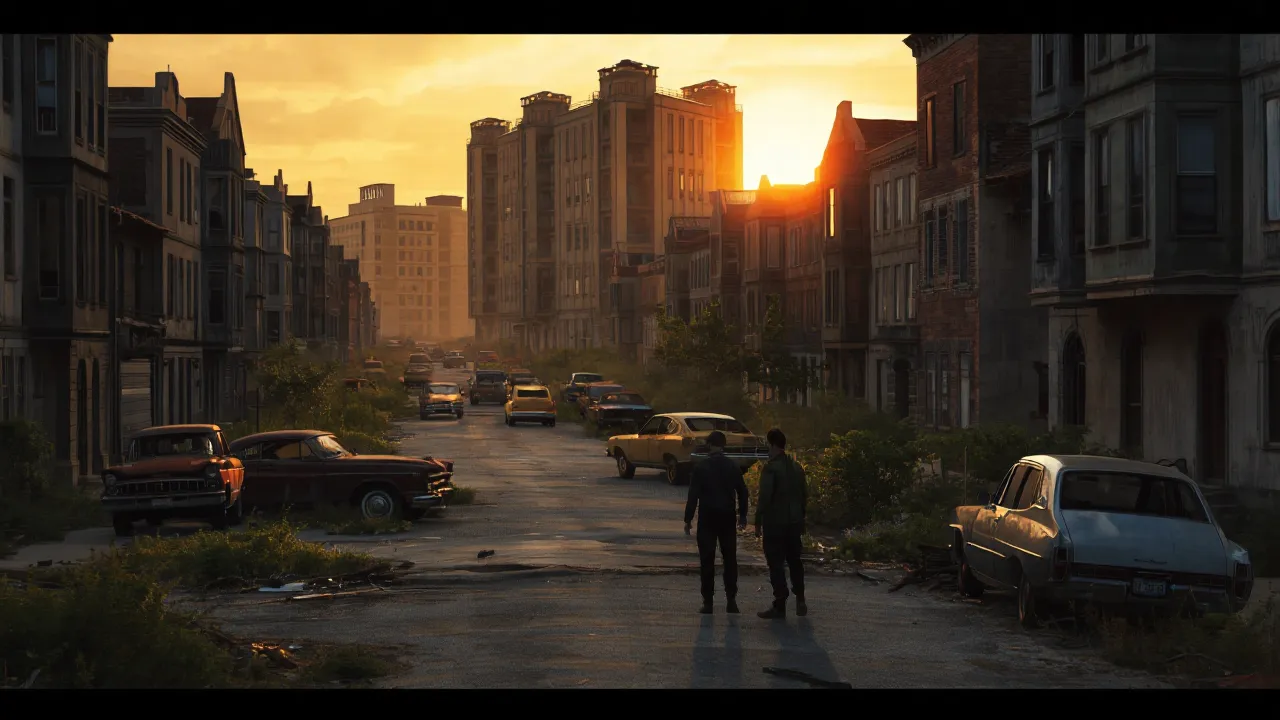
The game unfolds in a post-apocalyptic war zone decades after a devastating global conflict, known as the “Second Fall,” which reshaped the world’s political landscape. The conflict originated from escalating tensions among superpowers, fueled by resource scarcity, technological arms race, and ideological clashes, culminating in a series of nuclear exchanges in the early 21st century. Major cities like New York, Tokyo, and Berlin were reduced to ruins, creating urban wastelands riddled with crumbling skyscrapers and irradiated zones.

Amid the chaos, rogue factions and elite counter-terrorism units now battle for dominance over the remnants of civilization. The environment features urban ruins overgrown with nature, abandoned military bases once part of the Cold War-era NATO and Pact alliances, expansive jungles reclaimed by wild flora in near-zero human activity zones, and underground tunnels built for covert military operations, now shadowy battlegrounds for covert engagements.

Weather is unpredictable, with dust storms that obscure vision, torrential rain that hampers electronics and movement, and the occasional oppressive humidity that raises tension among combatants. This landscape serves as the stage for intense, tactical firefights, hostage rescues, and bomb defusal missions, requiring players to adapt to dynamic environmental conditions and leverage realistic weapons and gadgets like drones, smoke grenades, and EMPs.


Generated Images (reflecting the historical context):


Character Choices:

Yes

The Battle for the Ruined City
Elite units navigate through shattered skyscrapers and crumbling bridges, searching for a rogue terror faction’s hideout. As rain begins obscuring visibility, they spot a heavily fortified building with a marked hostage location nearby. The team must decide their next move: breach the front door, flank through underground tunnels, or set a drone to scout from above. Tension mounts as enemy patrols become alert.

Instructions for Farmers Regarding Avian Influenza – 2025-05-08yyyy

How to give instruction to Farmer Phone calls about avian influenza

Based on the search results, here’s guidance for instructing farmers who call about avian influenza, incorporating information from various sources:

I. Initial Response and Information Gathering

  1. Acknowledge Concerns: Immediately acknowledge the farmer’s concerns about avian influenza. Let them know you understand the seriousness of the situation.
  2. Identify the Type of Farmer/Operation: Determine the type of farming operation (e.g., commercial poultry, backyard flock, dairy). This will help tailor the information provided. The USDA distinguishes between different flock sizes and has specific standards for preventing and controlling avian influenza in all types of flocks.(Animal and Plant Health Inspection Service – USDA)
  3. Assess the Situation: Ask questions to understand the current situation:
    • Are they observing any signs of illness in their birds or cattle? If so, what are the specific symptoms? Note that HPAI is a highly contagious and often deadly respiratory disease in poultry like chickens, turkeys, and geese.(Animal and Plant Health Inspection Service – USDA)
    • Have they had any recent contact with wild birds or other poultry farms? Wild birds are often implicated in the spread of HPAI.(Animal and Plant Health Inspection Service – USDA)
    • Are they aware of any confirmed cases of avian influenza in their area?
  4. Offer Reassurance: Reassure them that resources are available to help. APHIS coordinates programs and provides resources to help states implement standards.(Animal and Plant Health Inspection Service – USDA)

II. Biosecurity Measures

  1. Emphasize Biosecurity: The most critical step is to implement strict biosecurity measures to prevent the introduction and spread of the virus. Direct them to the Defend the Flock Resource Center for comprehensive information and resources.(APHIS)
  2. Specific Biosecurity Recommendations: Provide specific recommendations, including:
    • Restrict Access: Control access to the farm and poultry houses. Limit visitors and ensure that all visitors follow strict biosecurity protocols.
    • Cleanliness: Maintain strict cleaning and disinfection protocols for equipment, vehicles, and personnel.
    • Personal Protective Equipment (PPE): Ensure that workers wear appropriate PPE, especially when in contact with birds or potentially contaminated surfaces. The type of PPE depends on the work tasks and whether there are confirmed or suspected cases of H5N1.(CDC)
    • Prevent Contact with Wild Birds: Implement measures to prevent contact between poultry and wild birds (e.g., netting, covering feed). HPAI is often spread by wild birds.(Animal and Plant Health Inspection Service – USDA)
    • Rodent and Pest Control: Implement a robust rodent and pest control program.
    • Proper Carcass Disposal: Have a plan for proper disposal of dead birds to prevent the spread of the virus.
  3. Importance of Uniform Standards: Highlight the importance of adhering to uniform standards to prevent and control H5/H7 avian influenza.(Animal and Plant Health Inspection Service – USDA)

III. Reporting and Testing

  1. Reporting Suspicious Illness: Instruct farmers to immediately report any signs of highly pathogenic avian influenza (HPAI) in their flocks to state or federal animal health officials. Early detection and reporting are crucial for controlling the spread of the disease.
  2. Diagnostic Testing: Explain the importance of diagnostic testing to confirm the presence of the virus. Provide information on how to submit samples for testing.
  3. State Contact Information: Provide the contact information for the relevant state animal health agency. For example, for Maryland, provide the phone numbers listed by the Maryland Department of Agriculture, especially if the caller’s number is from out of state.(Maryland Department of Agriculture)

IV. Information Regarding H5N1 and Dairy Cattle (If Applicable)

  1. Address Concerns: Acknowledge the recent findings of H5N1 in dairy cattle, if the farmer is a dairy farmer.
  2. Reassure about Milk Safety: Share that the FDA has sampled pasteurized dairy products and found them negative for viable H5N1.(FDA)
  3. Worker Safety: Provide information for workers exposed to H5N1 bird flu, directing them to the CDC’s guidance.(CDC) This guidance outlines CDC’s recommendations for preventing human exposures to HPAI A(H5N1) viruses and infection. (CDC)

V. Resources and Follow-up

  1. Provide Links: Provide links to relevant resources, such as:
  2. Offer to Answer Questions: Offer to answer any further questions the farmer may have.
  3. Follow-up: If appropriate, offer to follow up with the farmer to ensure they are implementing the recommended measures.

VI. Important Considerations

  • Stay Updated: Avian influenza is an evolving situation. Stay updated on the latest information and recommendations from APHIS, CDC, and state animal health officials.
  • Clear Communication: Communicate clearly and concisely, avoiding technical jargon.
  • Empathy and Support: Show empathy and provide support to farmers during this challenging time.
  • Accuracy: Ensure all information provided is accurate and based on official sources.
  • Respect: Treat all callers with respect and professionalism.

How to give instruction to Farmer Phone calls about avian influenza

Effective Phone Communication Protocols for Farmers During Avian Influenza Outbreaks

Timely and clear phone communication is critical for farmers managing the complex challenges posed by highly pathogenic avian influenza (HPAI) A(H5N1) outbreaks. Whether you’re receiving notifications from veterinary authorities, coordinating with farmworkers, or reporting sick animals, a structured approach to phone calls ensures information is accurate, actions are prompt, and biosecurity is maintained. This guide provides detailed instructions for farmers on how to handle different types of phone calls related to avian influenza, featuring sample scripts, best practices, and communication checklists.

1. Introduction: The Role of Phone Communication in Avian Influenza Response

Phone calls are often the first point of contact when avian influenza is detected or suspected on a farm. Prompt and accurate exchanges help protect animal and human health by enabling:

  • Early detection and reporting of sick birds, dairy cows, or other livestock.
  • Rapid deployment of veterinary and public health teams.
  • Coordination of biosecurity measures and personal protective equipment (PPE).
  • Management of worker safety, including exposure monitoring and medical referrals.

Effective communication mitigates the risk of further spread and assures regulatory compliance. Farmers should establish clear phone protocols in coordination with state and federal animal health authorities.

2. Preparing for Key Call Scenarios

Farmers typically handle three categories of avian influenza–related calls:

  1. Notifications from Animal Health Authorities: APHIS or state veterinarians calling to inform you of confirmed or suspected H5N1 cases on your premises.
  2. Reports from Farmworkers: Calls from workers about sick or dead birds, abnormal milk in dairy cows, or potential exposures.
  3. Requests to Report Animal Health Concerns: Outbound calls or web-based reports you make to authorities to report suspect cases.

Advance preparation ensures these calls are efficient and comprehensive.

2.1. Establishing a Dedicated Communication Line

  • Designate a single, accessible phone number for all avian influenza–related inquiries.
  • Share this number with your veterinary contacts, state animal health officials, and farmworkers.
  • Post the number in farm offices, barn entrances, and breakrooms.
  • Ensure someone is always on call or that calls forward to a mobile device during off hours.

This minimizes missed calls and confusion.

2.2. Creating a Call Log Template

Maintain a written or digital log to record every avian influenza–related call. Important fields include:

  • Date and time of call.
  • Caller name, organization, and contact information.
  • Purpose of call (notification, report, request).
  • Key information exchanged (clinical signs, number of animals affected).
  • Action items and responsible parties.
  • Follow-up date or deadline.

A structured log ensures nothing slips through the cracks.

3. Handling Notifications from Animal Health Authorities

When APHIS or a state veterinarian contacts you with confirmed or suspected H5N1 detections, follow these steps:

3.1. Sample Script for Incoming Notification Calls

“Hello, this is [Your Name] at [Farm Name]. How can I assist you today?”
(After they identify themselves)
“Thank you, Dr. [Name]. I understand you have results regarding avian influenza on our premises. Could you please confirm the following details:

  1. The species affected (poultry, dairy cows, other livestock).
  2. Number of animals testing positive or suspected.
  3. Specific location within our operation.
  4. Required biosecurity steps we should implement immediately.
  5. Any personnel restrictions or monitoring protocols.

I will document these details and ensure all staff are informed. Is there any additional information or paperwork needed from our side?”

3.2. Key Actions Post-Notification

  1. Document All Details: Enter information into the call log and note any deadlines.
  2. Immediate Biosecurity Enforcement:
    • Restrict movement in and out of affected barns.
    • Post “Restricted Area” signage.
    • Ensure all staff put on designated PPE (gloves, N95 respirators, eye protection, coveralls, boot covers).(CDC Farm Workers)
  3. Notify Farm Management and Staff: Communicate a one-sentence summary: “Animal health authorities confirmed H5N1 in our layer flock as of [Date]. Follow the new PPE and movement protocols; details to follow.”
  4. Confirm Follow-Up Plan: Schedule next check-in call or site visit with the veterinarian.

4. Fielding Reports from Farmworkers

Farmworkers may call when they notice signs of H5N1 infection in poultry or cattle. Farmers should guide workers with clear instructions.

4.1. Training Workers on When and How to Call

Before outbreaks occur, conduct training sessions covering:

  • Clinical Signs to Watch For:
    • Poultry: sudden death, gasping, swelling of wattles, purple discoloration, respiratory distress.(APHIS Poultry)
    • Dairy Cows: lack of appetite, nasal discharge, thickened or discolored milk, decreased milk production.(CDC Farm Workers)
  • Immediate Actions:
    • Avoid handling sick or dead animals without PPE.
    • Keep at least 6 feet away from potentially infected animals.
    • Do not consume raw milk or meat from suspect animals.
  • Calling Procedure:
    • Use the dedicated farm hotline.
    • Provide caller name, location, number of animals affected, and observed signs.

4.2. Sample Response Script for Worker Calls

Worker: “Hi, this is Maria in Barn 3. I noticed three chickens dead this morning, and several others seem lethargic with nasal discharge.”

Farmer:
“Thank you, Maria. Please stay outside the barn and avoid touching anything. Have you put on your designated PPE—gloves, respirator, and goggles—before approaching the barn? If not, please do that now.

I’m going to dispatch our biosecurity team to Barn 3 immediately. Meanwhile, secure the perimeter to prevent anyone from entering. I’ll call you back in 15 minutes with an update. Remember, do not handle the dead birds without full PPE.”

4.3. Follow-Up Actions

  • Dispatch Trained Personnel with appropriate PPE to assess the situation.
  • Collect Samples under veterinarian supervision for testing (swabs, tissues, milk).
  • Quarantine the Area and disinfect footwear and equipment using footbaths with disinfectant (4 oz bleach per gallon of water).(USDA Enhance Biosecurity)
  • Record Worker Exposure for health monitoring and potential antiviral prophylaxis, as recommended by public health authorities.(CDC Situation Summary)

5. Making Outbound Reports to Authorities

Prompt reporting of suspect H5N1 cases is not only best practice but often a legal requirement.

5.1. Information to Gather Before Calling

  • Farm location and operation type (commercial poultry, dairy, mixed farm).
  • Number of animals showing signs.
  • Description of clinical signs and approximate onset time.
  • Recent animal movements on or off the farm.
  • Personnel who may have been exposed, with dates and PPE used.

5.2. Sample Outbound Report Script

“Good morning, this is [Your Name] from [Farm Name] in [County, State]. I’m calling to report a suspected case of HPAI in our [poultry/dairy] operation. We have observed [number] animals with [symptoms] starting on [date/time]. No new animal introductions occurred in the past two weeks. All affected animals have been isolated in Barn 5, and cleaning protocols are underway. We request guidance on sample collection and confirmatory testing. I can provide any additional data you need.”

5.3. Next Steps After Reporting

  1. Await Official Testing Guidance: Veterinarians or APHIS staff will provide sample containers and instructions.
  2. Prepare Sampling Area: Designate a clean ante-room for donning PPE and a dirty room for doffing and disinfecting.(CDC Farm Workers)
  3. Coordinate with Labs: Ensure timely transport to diagnostic labs.
  4. Implement Enhanced Biosecurity: Restrict movement, disinfect equipment, and document all measures.

6. Key Communication Messages

During all calls—whether incoming or outgoing—farmers should convey consistent core messages:

  1. Animal Health Status: Precise counts and clinical descriptions.
  2. Biosecurity Measures in Place: Restricted zones, PPE protocols, disinfectant usage.
  3. Worker Safety Practices: Monitoring, PPE training, medical referrals.
  4. Compliance Actions: Reporting timelines, sample collection procedures, recordkeeping.

Reiterate these points to prevent misunderstandings and ensure rapid response.

7. Managing Media Inquiries via Phone

Outbreaks often attract local media attention. Farmers should designate a single spokesperson to handle media calls.

7.1. Media Call Protocol

  • Acknowledge the Inquiry: “Thank you for calling [Farm Name]. I’m [Spokesperson Name], our farm’s designated respondent for all media inquiries.”
  • Bridge to Key Messages: “We’re working closely with USDA and state veterinary officials to manage a suspected avian influenza situation. Our highest priority is animal welfare, worker safety, and product quality.”
  • Avoid Speculation: “At this time, lab confirmation is pending. We will share official updates once testing is complete.”
  • Refer to Official Sources: “For the most current data, please refer to USDA APHIS and CDC situation updates.”(CDC Situation Summary)

7.2. Media Spokesperson Training

Ensure the designated spokesperson practices:

  • Concise, factual responses.
  • Non-technical language for general audiences.
  • Clarity about ongoing actions and safety measures.
  • Deferral to authorities for test results.

8. Technology and Tools for Efficient Communication

Leverage digital tools to support phone protocols:

  • Shared Cloud Documents: Keep call logs accessible to farm management and vet teams.
  • Group Messaging Apps: Use secure platforms (e.g., WhatsApp Business, Slack) for rapid team alerts.
  • Automated Call Forwarding: Ensure after-hours calls reach the on-call manager.
  • Voice Recording with Consent: For critical calls, record with permission to ensure accuracy.

9. Post-Call Review and Continuous Improvement

After major avian influenza–related calls, conduct a brief team debrief:

  1. Review Call Log: Confirm all details were captured correctly.
  2. Assign Action Items: Designate responsible persons and deadlines.
  3. Identify Gaps: Determine if protocols or training need updates.
  4. Update Procedures: Revise phone scripts or log templates based on real-world experience.

Continuous refinement keeps communication sharp during evolving outbreaks.

10. Conclusion

Clear, structured phone communication is indispensable for farmers confronting HPAI A(H5N1) outbreaks. By establishing dedicated lines, standardized call logs, and well-rehearsed scripts, farmers can ensure rapid reporting, effective biosecurity, and coordinated actions that protect animal and human health. Regular training, technology integration, and post-call reviews further enhance resilience against avian influenza challenges.

Stay prepared, stay informed, and maintain open lines of communication with your veterinary and public health partners.

Classic Zac destroys the build…

Classic Zac destroys the buildings / Grounded

Okay, I understand. Here’s a story about Classic Zac destroying buildings and getting grounded:

Classic Zac, a mischievous cartoon character with oversized shoes and a perpetual grin, loved nothing more than causing a bit of mayhem. One sunny afternoon, while his parents were out grocery shopping, Zac decided to explore his town. His adventure quickly escalated when he discovered the bouncy joy of demolition. He started by playfully kicking over trash cans, but soon his attention turned to bigger, more tempting targets: buildings!

With a gleeful yell, Zac charged at the local bakery, his rubbery limbs flailing. He bounced off the walls, sending pastries flying and the gingerbread man scattering. Next, he set his sights on the town hall, a rather stuffy and important-looking building. He scaled the walls, leaving cartoonish cracks in his wake, and then, with a final, triumphant bounce, he knocked the clock tower askew. The town square was in utter chaos, but Zac was having the time of his life!

Unfortunately for Zac, his parents returned home early to find the town in ruins. Mrs. Zac, a stern but loving woman with a rolling pin always at the ready, was not amused. Mr. Zac, usually a jovial fellow, stood with his mouth agape at the sight of the demolished town hall.

“Zac!” Mrs. Zac boomed, her voice echoing through the debris. “What have you done?!”

Zac, covered in flour and bits of brick, could only manage a sheepish grin. The jig was up.

The punishment was swift and decisive. Zac was grounded. No TV, no video games, and worst of all, no bouncing! He was confined to his room, left to contemplate the error of his destructive ways.

As he sat on his bed, staring out the window at the now-quiet town, Zac couldn’t help but feel a pang of regret. Maybe destroying buildings wasn’t as fun as he thought. Maybe, just maybe, being a little less mischievous wouldn’t be so bad.

At a nearby grocery store, Classic Zac asks “Cody, can I please go to Walmart so I can get a LEGO set.” Cody says “Hell no, Classic Zac. We’re going to Publix to buy things we need”

Classic Zac, still grounded from his building-demolishing escapade, was now stuck on a grocery run with Cody. As they passed a sign for Walmart, Zac’s eyes lit up. “Cody, can I please go to Walmart so I can get a LEGO set?” he begged, his voice dripping with puppy-dog-eyed desperation.

Cody, a no-nonsense type with a permanent scowl and a flat-top haircut, didn’t even break stride. “Hell no, Classic Zac. We’re going to Publix to buy things we need. Like, you know, actual food.”

Zac groaned dramatically, dragging his feet. “But Cody! They have the new Space Explorers set! It has little astronauts and a rocket that really launches!” He started bouncing slightly, forgetting for a moment that he was supposed to be a reformed character.

Cody stopped abruptly, his scowl deepening. “First of all, you’re still grounded, remember? Second, we need milk, bread, and vegetables. Not plastic bricks that will inevitably end up under my feet.” He grabbed Zac’s arm and steered him firmly towards the entrance of Publix. “Now, let’s go get some groceries before I lose my patience.”

Zac sighed, the image of the Space Explorers set fading from his mind. Grocery shopping was definitely not as exciting as demolishing buildings, even if the latter did land him in hot water. He knew arguing with Cody was futile. Publix it was.

Classic Zac begs, and he keeps saying no. And Classic Zac rages by saying “THAT’S IT. I WILL DESTROY THE BUILDINGS.” Then he grew into a giant.

As Cody dragged Classic Zac through the automatic doors of Publix, Zac’s pent-up frustration finally reached its boiling point. “THAT’S IT!” Zac raged, his voice echoing through the produce section. “I WILL DESTROY THE BUILDINGS!”

Suddenly, a strange tingling sensation washed over Zac. He felt his bones creak and his skin stretch. Before Cody could react, Classic Zac began to grow. And grow. And grow. He burst through the roof of Publix, towering over the town like a monstrous, rubbery giant. His oversized shoes now the size of cars, his mischievous grin replaced with a look of pure, unadulterated fury.

Cody, who had been knocked flat by the sudden growth spurt, scrambled to his feet, staring up at the colossal Zac in disbelief. “Zac! What in the world are you doing?!” he yelled, his voice barely audible against the sound of crumbling concrete.

Giant Zac, fueled by LEGO-deprived rage, turned his attention to the nearest building: the bank. With a mighty roar, he swatted at the building, sending bricks and shattered glass raining down on the terrified townsfolk. He stomped through the streets, leaving giant footprints in his wake, each step threatening to crush everything in its path.

The town was in a panic. People screamed and ran for cover as the giant, LEGO-crazed Classic Zac wreaked havoc. It was even worse than the last time he’d destroyed buildings!

When an airplane came by, Classic Zac yelled out “GET OUT OF MY WAY UGLY AIRPLANE.” Then paused an airplane on the ground. Then he set buildings on fire. At the airport, Classic Zac says “BLOW UP THE AIRPORT”. And he does so, at Lakeshore Learning Store, Classic Zac yells out “SCREW LAKESHORE” and he sets it on fire. As he shrinks back to normal, Cody yells “OH OH OH OH OH OH OH OH OH OH OH OH OH OH OH. CLASSIC ZAC, YOU JUST DESTROYED THE ENTIRE CITY. WE ARE TOING STRAIGHT HOME.”

The giant Classic Zac, rampaging through the town, spotted an airplane overhead. “GET OUT OF MY WAY UGLY AIRPLANE!” he bellowed, his voice shaking the ground. With a flick of his enormous wrist, he plucked the plane from the sky as if it were a toy and gently set it down on the ground, pausing its flight indefinitely.

His destructive spree continued, now with a fiery twist. He stomped through the streets, setting buildings ablaze with a careless kick. The air filled with smoke and the smell of burning wood. Reaching the airport, Zac roared, “BLOW UP THE AIRPORT!” And with another earth-shattering stomp, he did just that, reducing the airport to a smoldering heap of twisted metal.

Next, he turned his attention to a Lakeshore Learning Store. “SCREW LAKESHORE!” he yelled, his voice filled with childish spite. He unleashed a torrent of fire, engulfing the store in flames.

As quickly as it began, the growth spurt reversed. Classic Zac shrunk back to his normal size, standing amidst the chaos he had created, his mischievous grin replaced with a look of bewildered shock.

Cody, who had been dodging debris and trying to reason with the giant Zac, finally reached him. “OH OH OH OH OH OH OH OH OH OH OH OH OH OH OH! CLASSIC ZAC, YOU JUST DESTROYED THE ENTIRE CITY! WE ARE GOING STRAIGHT HOME!” Cody grabbed Zac’s arm, his face a mask of exasperation. “And this time, you’re grounded for life!”

At home, Cody and his friends were angry at him. One of Cody’s friends say “Classic Zac, we are super angry at you for destroying the buildings, you’re lucky you’re not in jail.” Another one says “You are grounded for 29 decades.” And Cody says “GO TO YOUR MOTHERFUCKING ROOM NOW. YOU CUNT.” And Classic Zac says “Waaaaaaaaaaaaaaaaaaaaa”

Back at home, the atmosphere was thick with tension. Cody, along with a few of his friends, were waiting for Classic Zac, and their expressions made it clear that Zac was in for a serious dressing-down.

As Zac shuffled into the room, one of Cody’s friends, a burly fellow with a permanent frown, stepped forward. “Classic Zac, we are super angry at you for destroying the buildings! You’re lucky you’re not in jail.”

Another friend, a skinny guy with glasses perched on his nose, chimed in, “You are grounded for 29 decades!”

Cody, his face red with fury, pointed a trembling finger towards Zac’s bedroom. “GO TO YOUR MOTHERFUCKING ROOM NOW. YOU CUNT!”

Tears welled up in Classic Zac’s eyes. “Waaaaaaaaaaaaaaaaaaaaa,” he wailed, turning and running towards his room, the weight of his destructive actions finally sinking in. This was going to be a very long grounding.

Start

Start

$tools = require(‘tools’);

Background Description:
The setting of “Mission X: Task Complete” is a clandestine world inspired by the Cold War era, primarily taking place in the late 20th century. This period was characterized by intense espionage activities, covert operations, and geopolitical tensions between superpowers like the United States and the Soviet Union. The game’s location spans diverse environments, from secret underground laboratories in Eastern Europe to bustling urban centers teeming with spies and informants. Technological advancements in surveillance, hacking, and weaponry are central to the missions, reflecting the Cold War’s relentless pursuit of intelligence dominance.

Historical Facts:

  • The Cold War lasted from roughly 1947 to 1991, marked by rivalry and secret negotiations.
  • Espionage agencies like the CIA and KGB played critical roles, using agents, gadgets, and covert missions to gather intelligence.
  • The period saw the development of advanced spy technology, including early computer hacking devices and stealth equipment.
  • Notable events include the fall of the Berlin Wall and numerous clandestine operations between East and West.


Character Choices:

Summary:
The environment is set during the Cold War with a focus on espionage, secret labs, and urban covert missions, reflecting historical tensions and technological advancements of the era.

Would you like to choose your character now?

Start

Start

$tools = require(‘tools’);

Background Description:
The setting of “Mission X: Task Complete” is a clandestine world inspired by the Cold War era, primarily taking place in the late 20th century. This period was characterized by intense espionage activities, covert operations, and geopolitical tensions between superpowers like the United States and the Soviet Union. The game’s location spans diverse environments, from secret underground laboratories in Eastern Europe to bustling urban centers teeming with spies and informants. Technological advancements in surveillance, hacking, and weaponry are central to the missions, reflecting the Cold War’s relentless pursuit of intelligence dominance.

Historical Facts:

  • The Cold War lasted from roughly 1947 to 1991, marked by rivalry and secret negotiations.
  • Espionage agencies like the CIA and KGB played critical roles, using agents, gadgets, and covert missions to gather intelligence.
  • The period saw the development of advanced spy technology, including early computer hacking devices and stealth equipment.
  • Notable events include the fall of the Berlin Wall and numerous clandestine operations between East and West.


Character Choices:

Summary:
The environment is set during the Cold War with a focus on espionage, secret labs, and urban covert missions, reflecting historical tensions and technological advancements of the era.

Would you like to choose your character now?

Video Plan: Raízes do Esquecimento

Cria um vídeo usando essa história (RAÍZES DO ESQUECIMENTO

No coração esquecido do Recife, existe uma vila onde o tempo parou. A maré sobe. As raízes se movem. E o que foi enterrado… começa a despertar.

Lívia, uma jovem pesquisadora, chega a essa vila com sua equipe para investigar uma série de desaparecimentos misteriosos em meio ao manguezal. A vila está praticamente desabitada, engolida por mato, lama e um silêncio desconfortável. Eles montam acampamento perto da margem da maré. Tudo parece deserto… mas algo observa.

Logo nos primeiros dias, Lívia encontra um peixe deformado com um olho humano. Ela tenta racionalizar, mas algo em seu instinto a alerta. Camila, a historiadora da equipe, descobre um antigo diário em uma capela abandonada. As páginas falam de uma entidade chamada Iaraçu, uma mulher ligada às raízes e às marés, que protegia a vila com sacrifícios humanos. Um sussurro ecoa da floresta: “Ela voltará quando a maré chamar…”

Na primeira noite, Camila sonha com uma mulher sendo puxada para o fundo da lama por raízes vivas. Ao acordar, percebe que a mulher em seu sonho tinha os olhos de Lívia. Perturbada, ela começa a suspeitar que Lívia tem alguma ligação com a entidade descrita no diário.

Enquanto isso, Jonas, o cético da equipe, começa a agir de forma estranha. Ele desenha símbolos com o próprio sangue e murmura frases em uma língua morta. Em uma crise violenta, ele tenta atacar Lívia gritando:
“Você é a oferenda! Você É Iaraçu!”

Rafael, o técnico em vídeo, revisa imagens gravadas com drones e nota figuras caminhando entre os mangues… mas ninguém da equipe esteve lá. Ele também ouve sons estranhos nas gravações: batimentos, como um coração enterrado sob a terra.

Lívia começa a ter visões de vidas passadas. Ela vê-se vestida com roupas antigas, deitada sobre raízes pulsantes, rodeada por um culto. Ela era adorada… temida… sacrificada. Ela não era uma vítima. Ela era a guardiã. A própria Iaraçu, presa por séculos sob o mangue.

A maré sobe violentamente. Árvores sangram. Raízes se movem como serpentes. Jonas é engolido pela lama enquanto tenta fugir, puxado por braços esqueléticos de antigos moradores.

Camila e Rafael tentam escapar, mas Lívia não os segue. Seus olhos agora estão completamente brancos.
“Eu nunca fui enviada para investigar… Eu fui chamada de volta.”

Lívia caminha para o centro do mangue. O chão se abre, revelando uma imensa estrutura de ossos e raízes entrelaçadas. O tempo se distorce. O céu escurece. A vila inteira começa a afundar.

No fim, tudo é consumido pela maré.

Um mês depois, pescadores encontram um celular preso entre raízes. No vídeo, vê-se Lívia olhando diretamente para a câmera, imóvel, envolta em raízes. Seus lábios se movem, mas o áudio falha. No final do clipe, um sussurro é ouvido, abafado:
“Se você ouviu isso… já é tarde.”)

RAÍZES DO ESQUECIMENTO: Uma Adaptação Visual

CENA 1

Um drone sobrevoa uma área densa de manguezal. Em meio ao verde escuro e aos canais sinuosos, revela-se uma pequena vila, quase escondida pela vegetação. Casas com telhados desabados e paredes cobertas por cipós mal se distinguem na paisagem. A atmosfera é de abandono e mistério.

CENA 2

Lívia, uma jovem de olhar determinado, desembarca de um pequeno barco na margem lamacenta da vila. Ela está acompanhada por Camila, uma mulher de ar intelectual com óculos e um caderno na mão; Jonas, um homem de feições fechadas e céticas; e Rafael, carregando equipamentos de vídeo. Eles observam as ruínas da vila, o silêncio pesado pairando no ar.

CENA 3

Em um close-up, Lívia examina um peixe grotesco encontrado na beira do rio. O peixe possui deformações e, incrustado em sua carne, um olho humano fixo em um olhar vazio. O rosto de Lívia reflete uma mistura de repulsa e estranha familiaridade.

CENA 4

Camila está dentro de uma capela em ruínas, a luz fraca entrando pelas frestas nas paredes. Ela cuidadosamente folheia as páginas amareladas de um antigo diário. As palavras descrevem rituais macabros e a lenda de Iaraçu, a guardiã do mangue que exigia sacrifícios.

CENA 5

Um pesadelo de Camila: raízes retorcidas emergem da lama escura, agarrando os tornozelos de uma mulher. A mulher luta, mas é inexoravelmente puxada para baixo. No momento final antes de ser engolida, seus olhos se fixam na câmera… são os olhos de Lívia.

CENA 6

Jonas está isolado, seu comportamento se tornando cada vez mais errático. Vemos close-ups de suas mãos trêmulas enquanto ele desenha símbolos arcanos na terra com um galho sujo de lama avermelhada, que se assemelha a sangue. Ele murmura palavras ininteligíveis em um transe febril.

CENA 7

Em uma sequência tensa, Jonas avança sobre Lívia com fúria nos olhos. Sua expressão é de puro terror e possessão. Ele grita, com a voz rouca e distorcida: “Você é a oferenda! Você É Iaraçu!”

CENA 8

Rafael revisa as imagens capturadas pelo drone em seu laptop. Em meio à folhagem densa, sombras indistintas se movem entre as árvores retorcidas. Ao aumentar o zoom, figuras humanoides, pálidas e esqueléticas, tornam-se vagamente visíveis, deslizando silenciosamente pelo mangue.

CENA 9

A tela do laptop exibe a trilha de áudio das gravações do drone. Ondas sonoras anormais pulsam, e Rafael isola um som rítmico e abafado: batimentos cardíacos lentos e profundos, como se viessem da própria terra.

CENA 10

Lívia tem visões fragmentadas e intensas. Ela se vê em meio a um ritual antigo, vestida com trajes rústicos, deitada sobre um emaranhado de raízes que pulsam com uma luz própria. Figuras sombrias a cercam, em adoração e temor. Ela não é uma vítima indefesa, mas sim uma figura central de poder.

CENA 11

A maré sobe com uma fúria incomum, invadindo a vila com violência. As árvores parecem se contorcer de dor, e uma seiva escura e densa escorre de seus troncos como sangue. As raízes se agitam sob a água turva, ganhando vida própria.

CENA 12

Jonas tenta desesperadamente correr pela lama, mas braços esqueléticos emergem da terra e da água, agarrando-o e puxando-o para baixo. Seu rosto se contorce em um grito mudo enquanto é engolido pela escuridão viscosa.

CENA 13

Camila e Rafael correm pela mata alagada, tentando escapar do terror crescente. Olham para trás, esperando ver Lívia, mas ela permanece imóvel, observando o mangue com uma expressão distante. Seus olhos agora brilham com uma luz fria e intensa, completamente brancos.

CENA 14

Lívia caminha lentamente em direção ao coração do mangue. O chão ao seu redor começa a rachar e se abrir, revelando uma estrutura colossal feita de ossos entrelaçados por raízes grossas e pulsantes. O tempo parece se distorcer, o céu escurecendo como se uma tempestade apocalíptica se aproximasse. A vila inteira começa a afundar na lama.

CENA 15

Uma visão aérea mostra a área do mangue. Não há mais vestígios da vila. Apenas a vasta extensão verde escura e os canais de água lamacenta permanecem.

CENA 16

Um mês depois. Pescadores em um pequeno barco encontram um celular preso em um emaranhado de raízes na margem do mangue. A tela do celular está trincada, mas ainda funcional.

CENA 17

A tela do celular exibe um vídeo. Lívia olha diretamente para a câmera, seu rosto pálido e inexpressivo. Raízes finas a envolvem como veias. Seus lábios se movem lentamente, mas o áudio está falhando, produzindo apenas ruídos estáticos.

CENA 18

O vídeo continua a rodar, estático na imagem de Lívia. No final do clipe, um sussurro abafado e gutural pode ser ouvido por um breve instante, antes de o vídeo terminar abruptamente: “…Se você ouviu isso… já é tarde.”

Gera um arquivo PDF para mim com essa história

Daisy’s Daughters

Daisy, a recent widow is raising two small daughter named Delaneigh and Penny Leigh. She makes them feel loved, protected and happy
Daisy raises them to become strong confident women who never knew how close they were to disaster until after she dies and they read her diary.

Daisy, a young widow with a heart full of love and a spirit of resilience, poured all her energy into raising her two precious daughters, Delaneigh and Penny Leigh. Every day was a testament to her unwavering dedication to making them feel cherished, safe, and joyful. She filled their lives with laughter, bedtime stories, and the kind of unconditional love that only a mother can provide.

Daisy instilled in her daughters the values of strength, independence, and self-assurance. She encouraged them to pursue their dreams fearlessly and to believe in their own capabilities. Delaneigh and Penny Leigh grew up as confident young women, ready to face the world head-on, never realizing how close they had once been to potential hardship.

Years passed, filled with milestones, laughter, and shared experiences. Daisy watched her daughters blossom into remarkable individuals, proud of the women they had become. Then, one day, fate dealt a cruel blow, and Daisy passed away, leaving behind a void that could never be truly filled.

In the aftermath of their mother’s passing, Delaneigh and Penny Leigh stumbled upon Daisy’s diary. As they turned the fragile pages, they were transported back in time, gaining a glimpse into their mother’s inner world. It was within those heartfelt entries that they discovered the truth about the challenges Daisy had faced, the sacrifices she had made, and the constant vigilance she had maintained to protect them from unforeseen dangers. They realized how close they had been to disaster, a reality that Daisy had shielded them from with unwavering determination.

The diary became a testament to Daisy’s strength and love, forever reminding Delaneigh and Penny Leigh of the extraordinary woman who had shaped their lives. It was a reminder that even in the face of adversity, love and resilience could conquer all.

What kind of challenges did Daisy face?

Daisy’s challenges were multifaceted, stemming from the grief of losing her husband and the sudden responsibility of raising two young children alone.

Financially, she struggled to make ends meet on a single income. She worked tirelessly, often taking on extra shifts or side jobs, to provide for Delaneigh and Penny Leigh, always worried about whether she could afford their basic needs, let alone any extras.

Emotionally, Daisy battled loneliness and the constant ache of missing her husband. She worried about being both a mother and a father to her daughters, striving to provide them with the love, guidance, and stability they needed. She feared that she wasn’t enough, that she was failing them in some way.

Socially, Daisy felt isolated. Many of her friends were couples, and she found it difficult to navigate social situations as a single parent. She missed having a partner to share the joys and burdens of parenthood.

Furthermore, Daisy faced the challenge of protecting her daughters from the truth about their father’s death. He died in an accident that could have been prevented, and Daisy struggled with the guilt and anger surrounding his passing. She wanted to shield her daughters from the pain and trauma of knowing the circumstances of their father’s death, fearing it would shatter their innocence. This secret weighed heavily on her, adding to her emotional burden.

What was the accident that killed Daisy’s husband?

Daisy’s husband, Mark, was a construction worker. The accident occurred on a job site when safety regulations were ignored to meet a deadline. A faulty support beam gave way, and Mark was fatally injured in the collapse. The company had been cutting corners, neglecting routine safety checks and ignoring warnings about the beam’s integrity. Daisy was devastated to learn that Mark’s death was preventable, fueled by corporate greed and negligence. This knowledge haunted her, making it even harder to cope with her loss and raising her daughters without him. She grappled with whether or not to pursue legal action, torn between wanting justice for Mark and fearing the emotional toll it would take on her and the girls.

How did Daisy cope with her grief and anger?

Daisy’s coping mechanisms were a mix of healthy and, at times, less healthy strategies.Initially, she threw herself into caring for Delaneigh and Penny Leigh. Their needs became her sole focus, a way to channel her energy and avoid dwelling on her pain. She found solace in their laughter and the simple routines of motherhood.However, she also struggled with bouts of intense anger, often directed at the construction company and the negligence that led to Mark’s death. She kept a journal where she poured out her rage and frustration, writing unsent letters to the company executives and venting her feelings about the injustice of it all.

Daisy also sought comfort in a support group for widows. Sharing her experiences with others who understood her grief helped her feel less alone. She formed close bonds with some of the women in the group, finding a sense of community and understanding.

She also found moments of peace in nature. She would take the girls to the park or on walks in the woods, finding solace in the beauty of the natural world. The quiet solitude allowed her to reflect and process her emotions.

However, Daisy also occasionally turned to less healthy coping mechanisms. There were times when she drank too much wine in the evenings, trying to numb the pain. She also struggled with insomnia, haunted by nightmares of the accident. She was aware that these habits were not sustainable, but in her darkest moments, they provided temporary relief. She was determined to be strong for her daughters, so she tried to keep these moments private and infrequent.

What were Delaneigh and Penny Leigh like as children?

Delaneigh, the older sister, was a natural leader. She was fiercely protective of Penny Leigh and possessed a strong sense of responsibility. Delaneigh was a bright and curious child, always asking questions and eager to learn. She loved reading and often got lost in the pages of adventure stories, dreaming of faraway lands and daring escapades. She had inherited her father’s dark hair and eyes, and a determined set to her jaw that hinted at her inner strength. She was also a bit of a worrier, often fretting about things beyond her control, a trait that Daisy gently tried to soothe.

Penny Leigh, the younger sister, was a free spirit. She was bubbly and outgoing, with a contagious laugh that could light up a room. Penny Leigh was artistic and creative, always drawing, painting, or making up stories. She had inherited her mother’s blonde hair and bright blue eyes, and a playful twinkle in her eye that suggested a mischievous streak. She was less concerned with rules and structure than Delaneigh, preferring to follow her own instincts and explore the world on her own terms. This sometimes led to minor mishaps, but Penny Leigh always bounced back with a smile.

Despite their differences, Delaneigh and Penny Leigh were incredibly close. They were each other’s best friends and confidantes, always there to support and encourage one another. Delaneigh admired Penny Leigh’s carefree spirit, while Penny Leigh looked up to Delaneigh’s strength and intelligence. Daisy fostered their bond, encouraging them to work together and celebrate their unique qualities.

How did Daisy support their different personalities?

Daisy recognized and celebrated Delaneigh and Penny Leigh’s distinct personalities, tailoring her parenting approach to meet their individual needs.

For Delaneigh, Daisy fostered her love of learning by providing her with plenty of books and encouraging her to ask questions. She enrolled her in extracurricular activities that challenged her intellectually, such as science club and debate team. Understanding Delaneigh’s tendency to worry, Daisy taught her coping mechanisms like deep breathing exercises and positive self-talk. She also made sure to reassure Delaneigh that it was okay to make mistakes and that she didn’t have to be perfect all the time. Daisy nurtured Delaneigh’s leadership skills by giving her age-appropriate responsibilities around the house and encouraging her to take on leadership roles in school and extracurricular activities.

For Penny Leigh, Daisy encouraged her creativity by providing her with art supplies and enrolling her in art classes. She allowed Penny Leigh the freedom to express herself through her art, even if it meant making a mess. Recognizing Penny Leigh’s adventurous spirit, Daisy took her on nature walks and encouraged her to explore the world around her. She enrolled her in activities that allowed her to express herself physically, like dance and gymnastics. Daisy also gently guided Penny Leigh towards understanding the importance of rules and structure, explaining why they were necessary while still allowing her to maintain her free-spirited nature.

Daisy made a conscious effort to spend one-on-one time with each of her daughters, engaging in activities that they enjoyed. This allowed her to connect with them on a deeper level and understand their individual needs and desires. She consistently affirmed their unique qualities, telling them how much she loved them for who they were, not for who she wanted them to be. She made sure they knew that their differences were a strength, not a weakness, and encouraged them to support and celebrate each other’s individuality.

What kind of secrets did Daisy keep in her diary?

Daisy’s diary was a repository of secrets, both big and small, that she felt she couldn’t share with Delaneigh and Penny Leigh while she was alive.

One major secret revolved around the circumstances surrounding Mark’s death. While she told the girls it was an accident, she never fully disclosed the negligence of the construction company. In her diary, she documented her struggle with whether to pursue legal action, her fears about the emotional toll it would take on the girls, and her anxieties about facing the company in court. She also wrote about her guilt over not being able to provide Mark with a safer working environment, even though she knew it wasn’t her fault.

Another secret concerned Daisy’s own health. In the years leading up to her death, she had been experiencing subtle symptoms that she dismissed as stress and fatigue. However, her diary revealed her growing suspicion that something was seriously wrong. She wrote about her fears of leaving her daughters orphans and her determination to stay strong for them, even as her health declined. She deliberately hid her concerns from Delaneigh and Penny Leigh, not wanting to burden them with worry.

The diary also contained smaller, more personal secrets. Daisy wrote about her own insecurities and doubts as a mother, her fears of not being good enough, and her anxieties about the future. She confessed to moments of weakness, like the times she drank too much wine or lost her temper with the girls. These entries revealed a more vulnerable side of Daisy, one that she rarely showed to the outside world. She also had entries about a secret admirer, someone who had sent her anonymous flowers and letters after Mark’s death. While she appreciated the gesture, she never pursued it, feeling it was too soon to move on.

What were the long-term effects of reading the diary?

Reading Daisy’s diary had a profound and lasting impact on Delaneigh and Penny Leigh.

For Delaneigh, the diary confirmed her suspicions that her mother had been shielding them from something. Discovering the truth about Mark’s death fueled her sense of justice and inspired her to become a lawyer, specializing in cases of corporate negligence. She dedicated her career to fighting for the rights of victims and holding corporations accountable for their actions, channeling her anger and grief into a positive force. The diary also helped her understand her mother’s anxieties and insecurities, making her more compassionate and understanding towards herself. She learned to embrace her own vulnerabilities and to forgive herself for her imperfections.

For Penny Leigh, the diary shed light on the sacrifices Daisy had made to provide for them. It deepened her appreciation for her mother’s unwavering love and inspired her to live a life filled with purpose and meaning. Learning about Daisy’s hidden health struggles motivated Penny Leigh to prioritize her own well-being and to advocate for preventative healthcare. She became a passionate advocate for women’s health issues, using her artistic talents to raise awareness and inspire others. The diary also revealed Daisy’s secret admirer, prompting Penny Leigh to reflect on her own romantic relationships and to seek out a partner who truly appreciated her for who she was.

Overall, reading Daisy’s diary brought Delaneigh and Penny Leigh closer together. They shared their grief, their anger, and their newfound understanding of their mother. They vowed to honor Daisy’s memory by living lives filled with love, compassion, and purpose. The diary became a cherished heirloom, a reminder of their mother’s strength, resilience, and unwavering love. It also served as a guide, helping them navigate the challenges of life with wisdom and grace.

What happened to the construction company?

Delaneigh, driven by the revelations in her mother’s diary and fueled by her personal grief, made it her mission to bring the construction company to justice. As a lawyer, she meticulously gathered evidence, uncovering a pattern of negligence and cost-cutting measures that prioritized profit over worker safety. She interviewed former employees, reviewed safety records, and consulted with experts in construction safety.

The lawsuit she filed against the company was a landmark case, attracting significant media attention and putting the company under intense scrutiny. Delaneigh presented a compelling case, highlighting the company’s disregard for safety regulations and the preventable nature of Mark’s death. She argued that the company had knowingly put its workers at risk, resulting in tragic consequences.

The trial was emotionally charged, with Delaneigh facing off against the company’s high-powered legal team. She presented evidence of the faulty support beam, the ignored warnings, and the company’s history of safety violations. She also shared the personal impact of Mark’s death on her family, humanizing the tragedy and reminding the jury of the real people affected by the company’s negligence.

In the end, the jury found the construction company liable for Mark’s death. They awarded Delaneigh and her family a substantial settlement, which provided financial security for Delaneigh and Penny Leigh and allowed them to establish a foundation in Mark’s name to promote construction safety.

Beyond the financial compensation, the lawsuit brought about significant changes within the construction industry. The company was forced to implement stricter safety regulations and invest in employee training. Other construction companies followed suit, recognizing the importance of prioritizing worker safety over profit. Delaneigh’s efforts helped to create a safer working environment for construction workers and to prevent future tragedies. The company’s reputation was severely damaged, leading to a loss of contracts and a decline in its stock value. Some of the executives responsible for the negligence were eventually held accountable, facing criminal charges for their actions.

What happened to Penny Leigh’s art career?

Penny Leigh, inspired by her mother’s diary and her own desire to make a positive impact on the world, dedicated her art to raising awareness about women’s health issues. She used her vibrant and expressive style to create paintings, sculptures, and installations that explored themes of female empowerment, body image, and access to healthcare.

Her art career blossomed, and she quickly gained recognition for her unique perspective and her ability to connect with audiences on an emotional level. Her exhibitions were often accompanied by educational workshops and discussions, creating a space for women to share their experiences and learn about their health.

Penny Leigh’s work caught the attention of several non-profit organizations dedicated to women’s health. She collaborated with them on various projects, creating artwork for their campaigns and donating a portion of her sales to support their initiatives. She also became a sought-after speaker, sharing her story and her art at conferences and events around the world.

One of her most impactful projects was a series of murals she created in underserved communities, depicting images of strong and healthy women. These murals served as a source of inspiration and hope, reminding women of their own strength and resilience.

Penny Leigh’s art career became a powerful platform for advocacy and social change. She used her talent and her voice to make a difference in the lives of countless women, honoring her mother’s memory and creating a legacy of love and compassion. She eventually started a foundation in her mother’s name to fund art programs for underprivileged children, giving them an outlet to express themselves and heal through creativity.

What was the foundation Delaneigh and Penny Leigh created like?

The Mark Thompson Foundation, named in honor of Daisy’s late husband and the girls’ father, became a beacon of hope for two distinct but interconnected causes. Delaneigh and Penny Leigh carefully crafted its mission to reflect both their parents’ values and their own passions.

On the construction safety side, mirroring Delaneigh’s legal pursuits, the foundation funded programs that provided safety training and resources to construction workers, especially those in smaller companies or independent contractors who might not otherwise have access to such vital information. They partnered with trade schools and unions to offer scholarships for safety certifications and developed accessible educational materials in multiple languages. The foundation also lobbied for stronger safety regulations and advocated for holding companies accountable for negligence. They sponsored research into innovative safety technologies and practices, aiming to prevent accidents before they happened.

Parallel to Penny Leigh’s artistic endeavors, the foundation also supported art therapy programs for children who had experienced trauma or loss, recognizing the healing power of creative expression. They funded art supplies and training for therapists working with vulnerable populations and established art studios in underserved communities. The foundation also provided grants to young artists who were using their work to address social issues, giving them a platform to amplify their voices and inspire positive change. They organized community art events and exhibitions that celebrated the resilience and creativity of children facing adversity.

The foundation was a testament to Daisy’s legacy of love and resilience, transforming tragedy into a force for good in the world. It brought together people from different backgrounds and professions, all united by a shared commitment to creating a safer and more just society. Delaneigh and Penny Leigh poured their hearts and souls into the foundation, ensuring that Mark’s memory would live on through the countless lives they touched.

Tell me more about the art therapy programs funded by the foundation.

The art therapy programs funded by the Mark Thompson Foundation were designed to provide a safe and supportive environment for children to express their emotions and heal from trauma through creative expression. The foundation partnered with licensed art therapists who were trained to work with children facing a variety of challenges, including grief, abuse, neglect, and poverty.

The programs offered a range of art modalities, including painting, drawing, sculpting, collage, and mixed media. Children were encouraged to explore their emotions and experiences through art, without judgment or pressure to create a “perfect” piece. The therapists guided them through the process, helping them to identify and process their feelings.

One of the key components of the art therapy programs was the emphasis on building self-esteem and resilience. Children were encouraged to focus on their strengths and to celebrate their accomplishments. The therapists helped them to develop coping mechanisms for dealing with stress and adversity.

The foundation also recognized the importance of creating a sense of community among the children participating in the programs. Group art therapy sessions provided an opportunity for them to connect with others who had similar experiences, fostering a sense of belonging and reducing feelings of isolation. The children were able to share their artwork and their stories with one another, creating a supportive network of peers.

The art therapy programs had a profound impact on the lives of the children they served. They helped them to heal from trauma, build self-esteem, and develop coping mechanisms for dealing with adversity. The foundation was committed to expanding access to these vital services, ensuring that all children, regardless of their background or circumstances, had the opportunity to heal through art.

Tell me more about Daisy’s secret admirer.

Daisy’s secret admirer emerged in the months following Mark’s death, a time when she felt most vulnerable and alone. The first sign was a bouquet of lilies, Mark’s favorite flower, delivered anonymously to her doorstep with a simple card that read, “Thinking of you.” Initially, Daisy was unnerved, wondering who knew her well enough to remember Mark’s favorite flower.

The flowers continued to arrive periodically, always accompanied by short, heartfelt notes expressing sympathy and admiration for her strength. The admirer never revealed their identity, but their words offered Daisy a small measure of comfort during a dark period. The notes weren’t romantic or suggestive, but rather filled with genuine kindness and support.

In her diary, Daisy speculated about the admirer’s identity. She considered several possibilities: a colleague of Mark’s, a neighbor who had observed her struggles, or perhaps even someone from her past. She even wondered if it could be someone Mark had helped during his life, paying forward his kindness.

While Daisy appreciated the gesture, she also felt conflicted. She was still deeply grieving Mark and wasn’t ready to consider a romantic relationship. She also worried about the admirer’s intentions, wondering if they expected something in return. Ultimately, she decided not to pursue the mystery, feeling it was best to focus on her daughters and her own healing.

However, she did keep the cards and pressed some of the flowers in her diary, cherishing them as a reminder that even in the darkest of times, there were people who cared about her. The secret admirer remained a mystery, a gentle presence in her life that offered a glimmer of hope amidst her grief.

Did Daisy ever regret not pursuing the secret admirer?

In her diary, Daisy occasionally revisited the topic of her secret admirer, especially during moments of loneliness or when she felt overwhelmed by the responsibilities of single motherhood. While she never explicitly stated that she regretted not pursuing the connection, there were entries that hinted at a wistful curiosity about who the admirer was and what might have been.She wrote about the comfort she derived from the anonymous gestures, acknowledging that they provided a much-needed sense of support during a difficult time. She wondered if the admirer was someone who could have offered her companionship and a chance at happiness. However, she always concluded that her priority was her daughters and that she wasn’t ready to open her heart to someone new.

Years later, after reading the diary, Penny Leigh and Delaneigh discussed the secret admirer and wondered about their identity. They considered trying to uncover the mystery, but ultimately decided to respect their mother’s privacy and let the past remain in the past. They reasoned that Daisy had made the best decision she could at the time, and that her focus on them was a testament to her love and dedication.

So, while Daisy may have occasionally wondered “what if,” she never expressed outright regret about not pursuing the secret admirer. Her diary revealed a complex mix of emotions: gratitude, curiosity, and a deep-seated commitment to her daughters’ well-being.

Did Delaneigh and Penny Leigh ever find out who the secret admirer was?

Delaneigh and Penny Leigh never definitively discovered the identity of Daisy’s secret admirer. After much discussion, they decided that the mystery itself was part of the story, a poignant reminder of the kindness and support that had surrounded their mother even in her darkest moments. They reasoned that Daisy, a private person, likely would have wanted it that way.However, years later, at a dedication ceremony for a new art therapy wing at the Mark Thompson Foundation, an elderly gentleman approached Penny Leigh. He introduced himself as Arthur, a retired architect who had worked with Mark on several construction projects. Arthur explained that he had always admired Daisy’s strength and grace, and after Mark’s passing, he felt compelled to offer her some small measure of comfort. He admitted to sending the flowers and notes, but emphasized that he never intended to intrude on her life or create any expectations.

Arthur shared that seeing Daisy raise Delaneigh and Penny Leigh with such love and dedication had inspired him. He’d followed their successes over the years, particularly the foundation’s work, and felt a deep sense of pride in the women they had become. He ended by saying he was happy to see Daisy’s legacy living on through them.

Penny Leigh was deeply moved by Arthur’s story. While she never explicitly confirmed that he was the secret admirer, she knew in her heart that he was. She thanked him for his kindness and invited him to join them for the ceremony.

The experience brought a sense of closure to Penny Leigh and Delaneigh, knowing that their mother had been touched by such genuine compassion. While the mystery was never officially solved, they found peace in knowing that Daisy had been surrounded by love, both from those she knew and from a secret admirer who had admired her from afar.

What was Arthur like?

Arthur was a kind and unassuming man in his late seventies. He possessed a quiet dignity and a gentle demeanor that put people at ease. He had a lifetime of experience etched into the lines on his face, and his eyes held a warmth that suggested a deep well of empathy. He was a retired architect, a profession that reflected his meticulous nature and his appreciation for beauty and structure.

Arthur had worked alongside Mark on several construction projects, and he had always been impressed by Mark’s integrity and work ethic. He had also admired Daisy from afar, noting her strength and grace as she supported Mark and raised their daughters. After Mark’s tragic death, Arthur felt a profound sense of sadness for Daisy and her children. He wanted to offer her some small measure of comfort, but he was hesitant to intrude on her grief.

So, he chose to express his support anonymously, sending flowers and notes that offered words of encouragement and sympathy. He never sought recognition or personal gain, content to offer his support from a distance. He continued to follow Daisy’s life from afar, admiring her resilience and her dedication to her daughters. He was particularly proud of Delaneigh and Penny Leigh’s accomplishments, and he felt a deep sense of satisfaction knowing that he had played a small role in their journey.

When Arthur finally revealed himself to Penny Leigh at the foundation dedication ceremony, he did so with humility and grace. He didn’t seek praise or recognition, but simply wanted to share his story and express his admiration for Daisy and her daughters. His kindness and compassion left a lasting impression on Penny Leigh and Delaneigh, solidifying their belief in the power of human connection.

What were the notes Arthur sent like?

Arthur’s notes were short, simple, and heartfelt, reflecting his quiet and unassuming nature. They weren’t flowery or overly sentimental, but rather conveyed a genuine sense of empathy and support. He always addressed Daisy by name, and his handwriting was neat and legible, suggesting a meticulous and thoughtful approach.

Here are some examples of what his notes might have said:

  • “Dear Daisy, Thinking of you and your daughters during this difficult time. Wishing you strength and peace.”
  • “Dear Daisy, I was so sorry to hear about Mark. He was a good man and a talented architect. May his memory be a blessing.”
  • “Dear Daisy, Sending you my deepest condolences. Please know that you are not alone. There are people who care about you and your family.”
  • “Dear Daisy, Admiring your strength and grace as you navigate this challenging chapter. Wishing you moments of peace and comfort.”
  • “Dear Daisy, Hoping today brings you a little bit of sunshine. Thinking of you and your beautiful daughters.”

The notes were always anonymous, signed only with a simple initial, “A.” Arthur never revealed his identity or sought any kind of acknowledgment. His intention was purely to offer Daisy a small measure of comfort and support, without intruding on her grief or creating any expectations.

What were some of the challenges Delaneigh faced in her legal career?

Delaneigh faced numerous challenges in her legal career, driven by her determination to hold corporations accountable for negligence.

One of the biggest hurdles was overcoming the skepticism of others. Many people, including some of her colleagues, questioned her motives, assuming she was driven by personal vendetta rather than a genuine pursuit of justice. She had to work extra hard to prove her objectivity and professionalism, demonstrating that her personal experiences didn’t cloud her judgment.

Another challenge was dealing with the emotional toll of her work. She often represented families who had lost loved ones due to corporate negligence, and she had to listen to their heartbreaking stories and witness their pain firsthand. It was emotionally draining, and she had to develop healthy coping mechanisms to avoid burnout.

Delaneigh also faced resistance from powerful corporations with deep pockets and armies of lawyers. They often used aggressive tactics to intimidate her and undermine her cases. She had to be tenacious and resourceful, fighting for her clients against overwhelming odds. Securing funding for expert witnesses and investigations was a constant struggle, as these corporations often had significantly more resources.

Navigating the complexities of the legal system was another significant challenge. Proving negligence required a deep understanding of industry standards, safety regulations, and complex legal precedents. She had to be a skilled researcher, a persuasive advocate, and a master of legal strategy. She also faced ethical dilemmas, such as deciding whether to accept a settlement offer that would benefit her clients but might not fully hold the corporation accountable.

Finally, Delaneigh had to balance her demanding career with her personal life. She wanted to be a good lawyer and a good daughter and sister, but it was difficult to find the time and energy to do it all. She had to learn to prioritize her commitments and to ask for help when she needed it.

What were some of the specific tactics corporations used against Delaneigh?

Corporations employed a range of tactics to try and thwart Delaneigh’s legal pursuits, often designed to intimidate her, drain her resources, and undermine her credibility.

One common tactic was delaying tactics. They would file frivolous motions, request endless extensions, and engage in other procedural maneuvers to prolong the litigation and increase Delaneigh’s expenses. This was designed to wear her down and make it more difficult for her clients to afford the legal battle.

Another tactic was aggressive discovery. They would demand vast amounts of documents and information from Delaneigh and her clients, burying them in paperwork and creating a logistical nightmare. They would also conduct extensive depositions, subjecting Delaneigh and her clients to hours of questioning, hoping to find inconsistencies or weaknesses in their case.

Character assassination was also a frequent strategy. The corporations would hire private investigators to dig up dirt on Delaneigh and her clients, attempting to discredit them in the eyes of the jury and the public. They would leak negative information to the media, spread rumors, and engage in other forms of smear campaigns.

They also used financial pressure. Corporations often had significantly more resources than Delaneigh and her clients. They would use their financial advantage to hire the best lawyers, expert witnesses, and investigators, making it difficult for Delaneigh to compete. They might also offer lowball settlement offers, hoping to entice her clients to give up their claims.

In some cases, they even resorted to intimidation tactics. Delaneigh received threatening phone calls and emails, and she was sometimes followed or surveilled. While never directly linked, these events were clearly intended to scare her and make her back down. They would also file bar complaints against her, accusing her of ethical violations and attempting to damage her professional reputation.

How did Delaneigh and Penny Leigh support each other through these challenges?

Delaneigh and Penny Leigh leaned on each other heavily throughout their respective challenges, forming an unbreakable bond strengthened by shared grief and mutual admiration.

Delaneigh found solace in Penny Leigh’s unwavering optimism and artistic perspective. When the legal battles became overwhelming, Penny Leigh would encourage her sister to take breaks, reminding her of the importance of self-care. She’d often create artwork inspired by Delaneigh’s cases, visually representing the injustices she was fighting against and providing a creative outlet for her frustrations. Penny Leigh’s belief in Delaneigh’s mission helped to renew her commitment during particularly difficult moments.

Penny Leigh, in turn, relied on Delaneigh’s analytical mind and unwavering support. When she faced criticism or self-doubt about her art, Delaneigh would offer practical advice and remind her of the impact her work was having on others. Delaneigh helped Penny Leigh navigate the business side of her art career, reviewing contracts and providing legal guidance. Delaneigh’s grounded nature was a constant source of stability for Penny Leigh, who often felt swept up in the emotionality of her art.

Beyond their individual support, Delaneigh and Penny Leigh made a conscious effort to spend quality time together, creating a safe space where they could be vulnerable and honest with each other. They shared meals, went on walks, and reminisced about their mother, finding comfort in their shared memories. They also made a pact to prioritize their relationship, ensuring that their careers never came at the expense of their bond. They were each other’s biggest cheerleaders, celebrating each other’s successes and offering unwavering support during setbacks. They understood each other’s pain and motivations in a way that no one else could, making their bond a source of strength and resilience.

Did Delaneigh ever have a family of her own?

Delaneigh’s dedication to her legal career, particularly her fight against corporate negligence, consumed much of her time and energy. While she had several meaningful relationships throughout her life, she ultimately chose not to have children. She felt that the demands of her work would make it difficult for her to be the kind of parent she wanted to be. She also carried the weight of her father’s death and the impact it had on her family, making her hesitant to bring children into a world she saw as inherently dangerous.

However, Delaneigh found fulfillment in other ways. She became a mentor to young lawyers, particularly women, guiding them through the challenges of the legal profession and inspiring them to use their skills to make a positive impact on the world. She also remained deeply involved in Penny Leigh’s life, forming a close bond with her sister’s children, becoming a beloved aunt and surrogate mother figure. She poured her nurturing instincts into supporting her family and community, finding purpose and meaning in her relationships. She also found joy in traveling and exploring new cultures, broadening her horizons and gaining a deeper understanding of the world.

Delaneigh’s decision not to have children was a personal one, driven by her own values and priorities. She lived a full and meaningful life, making a significant contribution to society and finding love and connection in many different forms.

What happened to Penny Leigh’s children?

Penny Leigh embraced motherhood with the same passion and creativity she brought to her art. She had two children, a son named Leo and a daughter named Iris. She raised them to be kind, compassionate, and independent thinkers, encouraging them to explore their own passions and to express themselves freely.

Leo inherited his mother’s artistic flair and a bit of his Aunt Delaneigh’s analytical mind. He became a filmmaker, creating documentaries that shed light on social issues and giving a voice to marginalized communities. He often collaborated with his Aunt Delaneigh, using his films to support her legal cases and raise awareness about corporate negligence.

Iris inherited her grandmother Daisy’s warmth and empathy. She became a social worker, dedicating her life to helping children and families in need. She was particularly passionate about providing art therapy to children who had experienced trauma, inspired by the work of the Mark Thompson Foundation.

Penny Leigh instilled in her children a deep appreciation for their family history, sharing stories about their grandmother Daisy and their great-grandfather Mark. She taught them the importance of resilience, compassion, and fighting for what is right. Leo and Iris grew up knowing that they came from a long line of strong and independent women, and they were determined to carry on their legacy.

They both actively participated in the Mark Thompson Foundation, volunteering their time and talents to support the foundation’s mission. They understood the importance of giving back to the community and making a positive impact on the world.

Did Leo and Iris ever meet Arthur?

Yes, Leo and Iris did eventually meet Arthur. Penny Leigh, recognizing the significance of his connection to their family history, arranged for them to meet him during one of his visits to the Mark Thompson Foundation.

Leo, with his keen eye for storytelling, was fascinated by Arthur’s memories of their grandfather Mark and his admiration for their grandmother Daisy. He interviewed Arthur extensively, capturing his recollections on film for a documentary he was working on about the foundation and its impact on the community. Leo saw in Arthur’s story a testament to the power of human connection and the enduring legacy of kindness.

Iris, with her empathetic nature, formed a deep bond with Arthur. She listened intently to his stories about Daisy, gaining a deeper understanding of her grandmother’s strength and resilience. She was particularly touched by Arthur’s anonymous acts of kindness, seeing them as a reflection of his own compassionate heart. Iris often visited Arthur, bringing him flowers and sharing updates about her work with children in need. She saw him as a surrogate grandfather figure, offering her wisdom and support.

Arthur, in turn, was delighted to meet Leo and Iris, seeing in them the embodiment of Daisy’s legacy. He was impressed by their dedication to making a positive impact on the world and felt a deep sense of pride in the individuals they had become. He shared with them stories about Mark that they had never heard before, bringing their grandfather to life in a way that deepened their connection to their family history.

The meeting between Leo, Iris, and Arthur was a poignant and meaningful experience, solidifying their understanding of their family’s past and inspiring them to continue their work in the service of others. It closed a circle, connecting the past with the present and ensuring that Daisy’s legacy of love and compassion would continue to shine brightly for generations to come.

Start

Start

The setting takes place during the early 19th century, a transformative period marked by significant political upheaval, industrial progress, and exploration. The year is 1815, shortly after the conclusion of the Napoleonic Wars, which reshaped much of Europe’s geopolitical landscape. The Congress of Vienna (1814-1815), held to restore stability and redraw boundaries, resulted in a delicate balance of power among major European nations. Amid these diplomatic negotiations, the Age of Exploration and technological innovations such as steam engines and mechanized textiles were accelerating societal change, particularly in Britain and France. Meanwhile, revolutionary ideas advocating liberty and nationalism were spreading across Europe, fueling movements that would lead to future upheavals.

This period is characterized by a mixture of conservative monarchies maintaining the old order and rising liberal movements pushing for democratic reforms. The industrial revolution was in full swing, transforming cities and labor systems, while colonial empires expanded globally, adding complex layers to international relations.


Sign In / Up