Comprehensive Report Plan on Anxietyyyy

Report
A heart attack

§introduction

§Definition of anxiety

§Conditions in which one experiences anxiety

§Symptoms of anxiety

§Types of anxiety

§Difference between anxiety and fear

Causes of anxiety

Report: Anxiety

Table of Contents

  1. Introduction
  2. Definition of Anxiety
  3. Conditions in Which One Experiences Anxiety
  4. Symptoms of Anxiety
  5. Types of Anxiety
  6. Difference Between Anxiety and Fear
  7. Causes of Anxiety
  8. Frequently Asked Questions (FAQ)

1. Introduction

Anxiety is one of the most common mental health challenges worldwide, affecting an estimated 4.4% of the global population at any given time and nearly 30% of adults in the United States at some point in their lives (WHO). While occasional anxiety is a normal response to stress, anxiety disorders involve excessive, persistent worry that interferes with daily functioning and quality of life. This detailed report explores anxiety in depth—defining it, outlining the situations that trigger it, describing its symptoms, categorizing its types, differentiating it from fear, and examining its causes. By shedding light on this pervasive condition, we aim to provide clarity, reduce stigma, and empower readers with the knowledge to recognize and seek treatment for anxiety.

2. Definition of Anxiety

Anxiety is an emotional and physiological state characterized by feelings of apprehension, tension, and unease about potential future threats or uncertain scenarios. Clinically, anxiety is defined as a “state of apprehension, tension, or uneasiness that stems from the anticipation of danger, which may be internal or external” (NCBI Bookshelf). Unlike fear, which is a response to an immediate, identifiable threat, anxiety is typically future-oriented and often disproportionate to the actual risk.

Anxiety becomes a disorder when the intensity, frequency, and duration of anxiety responses are excessive relative to the situation, leading to significant distress or impairment in social, occupational, or other important areas of functioning (APA).


3. Conditions in Which One Experiences Anxiety

While anxiety can arise in virtually any context, certain conditions and situations are known to commonly trigger anxiety in susceptible individuals. These include:

Life Transitions: Major changes such as starting a new job, moving, getting married, or retiring can provoke anxiety.
Performance Situations: Public speaking, exams, job interviews, or sports competitions often induce performance anxiety.
Social Interactions: Meeting new people, attending parties, or engaging in group activities can trigger social anxiety.
Health Concerns: Worry about personal or loved ones’ health, medical procedures, or chronic illnesses can fuel health anxiety.
Financial Strain: Debt, job loss, or economic downturns can lead to persistent financial anxiety.
Traumatic Events: Natural disasters, accidents, violence, or abuse can precipitate acute or chronic anxiety responses.
Ongoing Stressors: Relationship conflicts, caregiving responsibilities, or workplace pressure contribute to generalized anxiety.

While these conditions are common catalysts, anxiety disorders may also arise spontaneously or in the absence of identifiable external triggers. In such cases, biological vulnerabilities and internal thought patterns play a significant role in perpetuating anxiety.
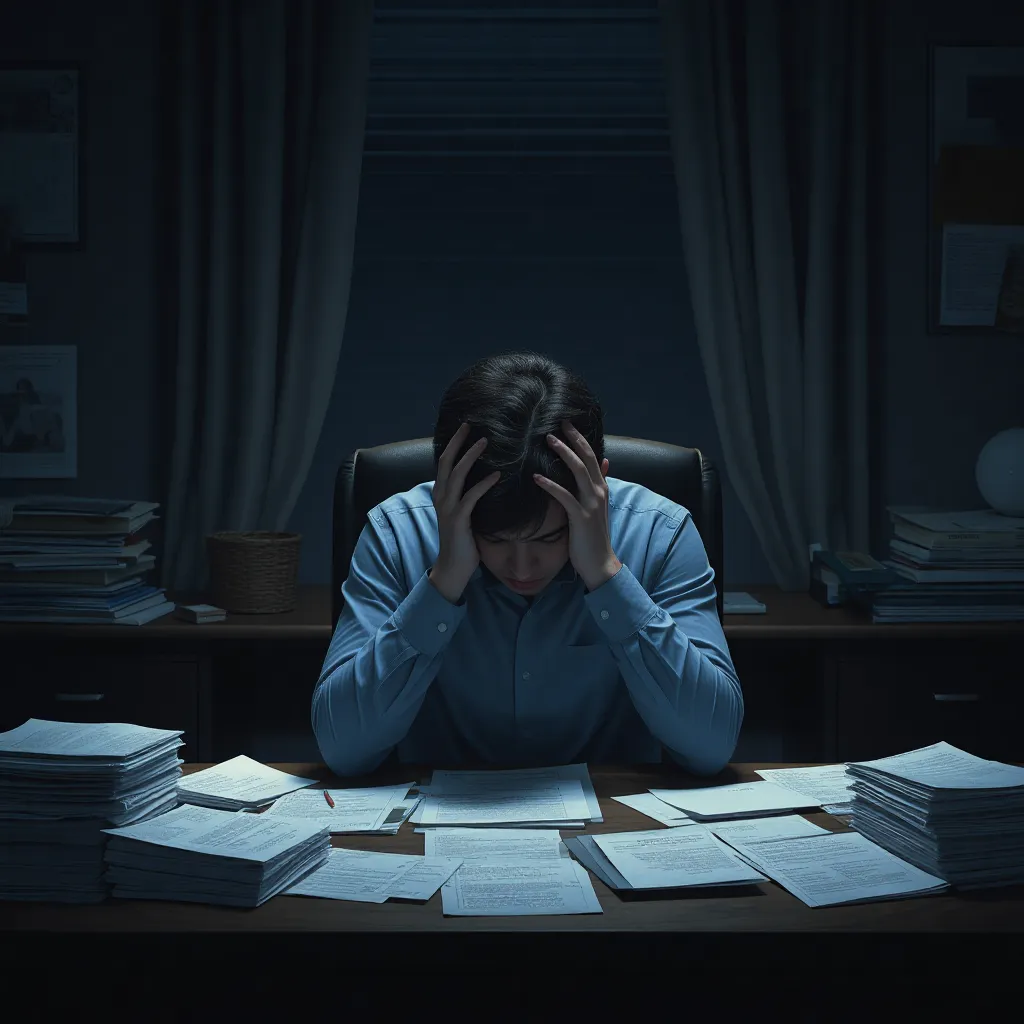

4. Symptoms of Anxiety

Anxiety manifests across cognitive, emotional, behavioral, and physical domains. Recognizing the full spectrum of symptoms is crucial for early identification and intervention.

4.1 Cognitive Symptoms

  • Excessive worrying about everyday events or future uncertainties
  • Difficulty concentrating or mind going blank
  • Indecisiveness and overthinking
  • Anticipation of worst-case scenarios
  • Intrusive, repetitive thoughts

4.2 Emotional Symptoms

  • Persistent feelings of dread, apprehension, or unease
  • Irritability, restlessness, or feeling on edge
  • Overwhelming sense of impending doom

4.3 Behavioral Symptoms

  • Avoidance of anxiety-provoking situations
  • Procrastination or indecisiveness to escape stressors
  • Compulsive behaviors aimed at reducing anxiety (e.g., checking, reassurance-seeking)
  • Social withdrawal or isolation

4.4 Physical Symptoms

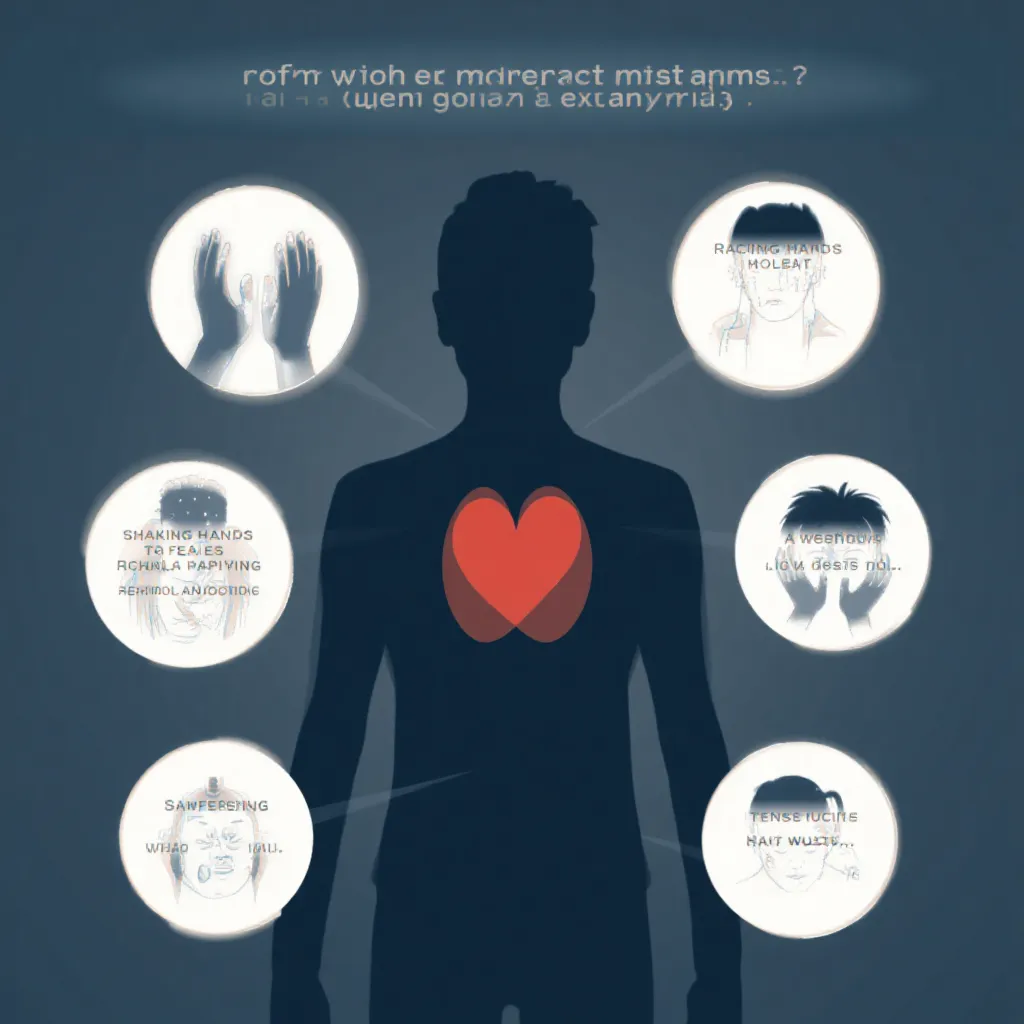
  • Increased heart rate (palpitations) (Mayo Clinic)
  • Rapid breathing or hyperventilation
  • Sweating, trembling, or shaking
  • Muscle tension or aches
  • Gastrointestinal upset, nausea, or diarrhea
  • Headaches or migraines
  • Fatigue or weakness
  • Sleep disturbances, such as insomnia or restless sleep

Recognizing these symptoms—especially when they cluster and persist for six months or more—is the first step toward seeking professional evaluation and care.

5. Types of Anxiety

Anxiety disorders encompass several specific diagnoses, each defined by its predominant symptoms and patterns of fear and avoidance. The most common types include:

5.1 Generalized Anxiety Disorder (GAD)

Persistent, excessive worry about multiple domains—work, health, family, finances—that is difficult to control and occurs most days for at least six months. Physical symptoms such as restlessness, muscle tension, and sleep disturbances often accompany GAD (WHO).

5.2 Panic Disorder

Recurrent, unexpected panic attacks—sudden surges of intense fear peaking within minutes—accompanied by physical symptoms like chest pain, shortness of breath, and dizziness. Worry about future attacks and avoidance of situations where escape might be difficult often develop (APA).

5.3 Social Anxiety Disorder (Social Phobia)

Intense fear of social situations in which one may be scrutinized, judged, or humiliated. Avoidance of public speaking, parties, or social gatherings is common. Anticipatory anxiety can begin weeks before an event (Mayo Clinic).

5.4 Specific Phobias

Excessive, irrational fear of a specific object or situation—such as heights, flying, spiders, or injections—that leads to avoidance or extreme distress upon exposure. The fear is disproportionate to actual danger (APA).

5.5 Agoraphobia

Fear and avoidance of situations where escape might be difficult or help unavailable during a panic attack—such as crowds, public transportation, or open spaces. In severe cases, individuals may become homebound (WHO).

5.6 Separation Anxiety Disorder

Excessive fear or anxiety about separation from attachment figures—home, parents, or partners—beyond what is developmentally appropriate. Although more common in children, adults can also experience separation anxiety (APA).

5.7 Selective Mutism

Consistent inability to speak in certain social situations—usually school—despite speaking normally in other contexts. Symptoms often emerge by age five and can lead to social isolation and academic problems (WHO).

Comorbidity among anxiety disorders is common, and individuals may meet criteria for multiple diagnoses simultaneously. Proper assessment by mental health professionals helps tailor treatment to each person’s unique symptom profile.


6. Difference Between Anxiety and Fear

While anxiety and fear share overlapping features, they are conceptually distinct:

Temporal Focus: Fear is a reaction to an immediate, identifiable threat (e.g., seeing a snake). Anxiety is future-oriented, involving apprehension about potential or uncertain threats (e.g., worrying about encountering a snake tomorrow).
Physiological Arousal: Fear triggers a robust fight-or-flight response—high autonomic arousal, rapid heart rate, sweating. Anxiety involves more sustained muscle tension and vigilance, with moderate physiological activation (Nature Reviews).
Emotional Experience: Fear is an acute, intense emotion that motivates immediate defensive action. Anxiety is more diffuse, characterized by worry, dread, and avoidance behaviors.
Cognitive Content: Fear involves concrete, present-focused thoughts (“That dog is dangerous”). Anxiety involves hypothetical, future-focused thoughts (“What if that dog bites me next week?”).

Understanding these distinctions clarifies why treatments like exposure therapy effectively reduce fear responses, while cognitive-behavioral therapy (CBT) targeting worry and catastrophic thinking is crucial for alleviating anxiety.


7. Causes of Anxiety

Anxiety disorders arise from a complex interplay of biological, psychological, and environmental factors. No single cause explains all cases; rather, multiple risk factors combine to influence individual vulnerability.

7.1 Biological Factors

  • Genetics: Family studies show anxiety disorders often run in families, suggesting heritable traits
  • Neurobiology: Dysregulation of neurotransmitters—serotonin, norepinephrine, GABA—contributes to anxiety. Amygdala hyperactivity and impaired prefrontal regulation are key neural substrates (Nature).
  • Medical Conditions: Thyroid disorders, heart disease, respiratory illnesses, and chronic pain can provoke or exacerbate anxiety. Substance use, withdrawal, and certain medications also play a role (Mayo Clinic).
  • Nutritional Deficits: Emerging research links low brain choline levels to anxiety disorders, suggesting dietary factors may influence risk (UC Davis Health).

7.2 Psychological Factors

  • Personality Traits: High neuroticism, behavioral inhibition, and negative affectivity elevate anxiety risk.
  • Cognitive Patterns: Tendency toward catastrophic thinking, intolerance of uncertainty, and attentional biases to threat contribute to persistent worry.
  • Learned Behaviors: Modeling anxious responses from caregivers or traumatic conditioning (e.g., pairing a neutral stimulus with a frightening experience) fosters phobic and avoidance behaviors.

7.3 Environmental Factors

  • Stressful Life Events: Trauma, abuse, loss, and chronic stressors trigger or worsen anxiety disorders.
  • Family Environment: Overprotective or critical parenting styles may limit coping skill development and increase anxiety vulnerability.
  • Social and Cultural Influences: Socioeconomic hardship, discrimination, and lack of social support exacerbate anxiety. Stigma around mental health can delay help-seeking.

7.4 Developmental Factors

  • Critical Periods: Onset often occurs in childhood (specific phobias, separation anxiety), adolescence (social anxiety, panic disorder), or early adulthood (generalized anxiety) (WHO). Early intervention during these windows can prevent chronicity.

Since anxiety disorders are multifactorial, effective prevention and treatment require comprehensive approaches addressing biological, psychological, and social dimensions.


8. Frequently Asked Questions (FAQ)

Q1: How do I know if my anxiety is a disorder?
A1: When anxiety is excessive, persistent (typically six months or more), difficult to control, and interferes with daily life—work, relationships, or self-care—it may indicate an anxiety disorder. Consult a mental health professional for a formal evaluation (APA).

Q2: Can anxiety disorders be cured?
A2: While anxiety disorders often follow a chronic course, they are highly treatable. Psychological interventions (especially cognitive-behavioral therapy) and medications (SSRIs, SNRIs) can significantly reduce symptoms. Many individuals achieve full remission and lead productive lives (WHO).

Q3: Are anxiety and depression related?
A3: Yes. Anxiety and depression frequently co-occur. Up to 60% of individuals with an anxiety disorder also experience depressive symptoms. Treatment plans often address both conditions concurrently.

Q4: What lifestyle changes can help with anxiety?
A4: Regular exercise, healthy diet, adequate sleep, stress management techniques (deep breathing, mindfulness), and reducing caffeine and alcohol intake can support anxiety management and complement professional treatment (WHO).

Q5: How long does treatment for anxiety take?
A5: Treatment duration varies by disorder severity and individual response. CBT courses typically last 12–20 sessions. Medication trials require 6–12 weeks to assess effectiveness. Ongoing maintenance strategies help prevent relapse.

Q6: Can children experience anxiety disorders?
A6: Yes. Anxiety disorders are common in children and adolescents. Early signs include excessive clinginess, school refusal, and panic-like symptoms. Early recognition and intervention—often involving family therapy—improve outcomes (APA).

Q7: When should I seek professional help?
A7: Seek help if anxiety symptoms are persistent, overwhelming, or impairing daily functioning. Primary care providers can offer initial screening, while psychiatrists, psychologists, and counselors provide specialized assessment and treatment.


By understanding the nature, manifestations, and causes of anxiety, individuals can better recognize when normal worry evolves into a disorder requiring intervention. With effective treatments available—ranging from evidence-based psychotherapies to lifestyle modifications and medications—hope and relief are within reach for those living with anxiety disorders.


Z-Image-Turbo: The New King of AI Image Generation (Free, No Signup)

TL;DR

Z-Image-Turbo is a 6-billion parameter AI image model from Alibaba that’s now #1 on HuggingFace with 2,000+ likes. According to Decrypt, it has “dethroned Flux as King of AI Art.” Try it free on GizAI—no signup required, 5 images every 2 hours.

Why Z-Image-Turbo is a Game Changer

The AI image generation landscape just shifted. Z-Image-Turbo, released by Alibaba’s Tongyi-MAI team in November 2025, isn’t just another model—it’s what the community is calling “the greatest step forward for open-source image generation since Flux.1.”

What Makes It Special?

Feature Z-Image-Turbo Flux.1 Dev Midjourney
Parameters 6B 12B Unknown
Steps Required 8 20-50 N/A
VRAM Required 6GB (quantized) 24GB+ Cloud
Photorealism ⭐⭐⭐⭐⭐ ⭐⭐⭐⭐ ⭐⭐⭐⭐⭐
Text Rendering English + Chinese English Limited
License Apache 2.0 (Free) Apache 2.0 Proprietary
Price on GizAI FREE $0.025/image $0.04/image

Community Verdict

From Stable Diffusion Tutorials:

“Z-Image Turbo generates better images than Flux.1 Dev in most areas. Given the faster generation time, I would use Z-Image Turbo over Flux.1 Dev as my go-to for photo-realistic images.”

On Stable Diffusion Art:

“Z-Image-Turbo is the most photorealistic open-source model available right now for consumer-grade hardware. It beats Flux2 outright. Skin and hair texture look detailed and natural. The infamous ‘Flux chin’ and ‘plastic skin’ are mostly gone.”

Within days of release, Z-Image received 1,200+ positive reviews on Civitai—compared to just 157 for Flux2 released around the same time.

How to Use Z-Image-Turbo Free on GizAI

Step 1: Go to GizAI

Visit giz.ai/ai-image-generator. No signup or credit card required.

Step 2: Select Z-Image Turbo

From the model dropdown, choose “Z-Image Turbo”.

Step 3: Enter Your Prompt

Type what you want to create. Z-Image excels at photorealistic content and even text rendering.

Step 4: Generate

Click Generate. Your image will be ready in about 5 seconds.

Gallery: Real Images Generated with Z-Image-Turbo

All images below were generated in ~5 seconds each using Z-Image-Turbo on GizAI. Click to view full size.

Professional businessman headshot generated with Z-Image-Turbo
Prompt: “Professional headshot of a businessman, navy suit, confident smile, studio lighting”

Professional woman portrait generated with Z-Image-Turbo
Prompt: “Hyperrealistic portrait of a confident young professional woman in her late 20s, wearing an elegant navy blazer over white blouse, natural makeup with subtle highlights, medium-length dark brown hair with soft waves, warm genuine smile, standing in a modern minimalist office with floor-to-ceiling windows, soft diffused daylight streaming in, shallow depth of field with creamy bokeh background, shot on Canon EOS R5 with 85mm f/1.4 lens, cinematic color grading, 8K ultra detailed, professional headshot photography style”

Product photography coffee mug generated with Z-Image-Turbo
Prompt: “Stunning product photography of a sleek white ceramic coffee mug on polished marble countertop, steaming hot latte art visible inside, morning golden sunlight streaming through large window creating beautiful lens flare, fresh green plant leaves softly blurred in background, shallow depth of field with creamy bokeh, shot on Sony A7R IV with 90mm macro lens, commercial advertising quality, clean minimalist aesthetic, 8K ultra sharp, lifestyle product shot”

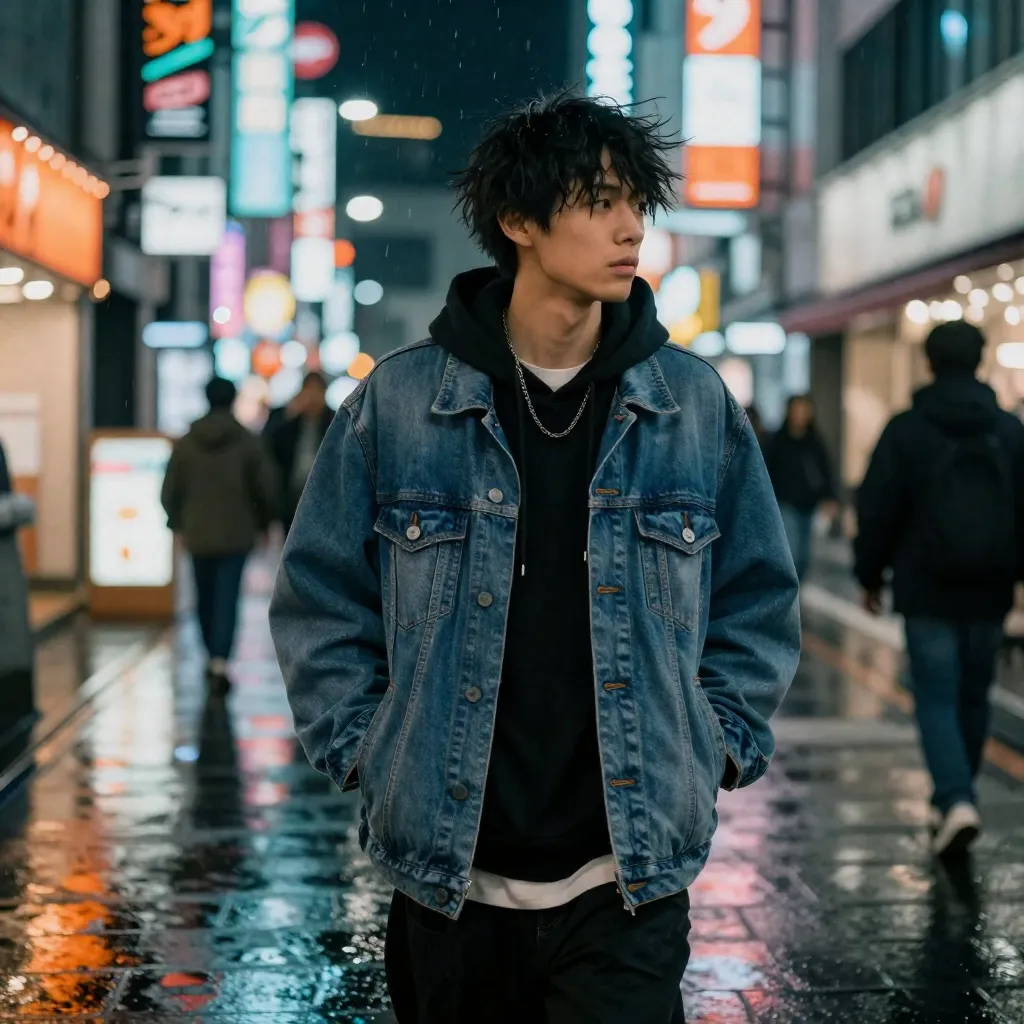
Cinematic Tokyo street photography generated with Z-Image-Turbo
Prompt: “Cinematic street photography of a stylish young Asian man in his mid-20s walking through neon-lit Tokyo streets at night, wearing oversized vintage denim jacket over black hoodie, silver chain necklace, messy textured black hair, reflection of colorful neon signs on wet pavement, rain drops visible in air, moody cyberpunk atmosphere, shot on Leica M11 with 35mm f/1.4 lens, high ISO grain, cinematic color grading with teal and orange tones, 8K ultra detailed, editorial fashion photography”

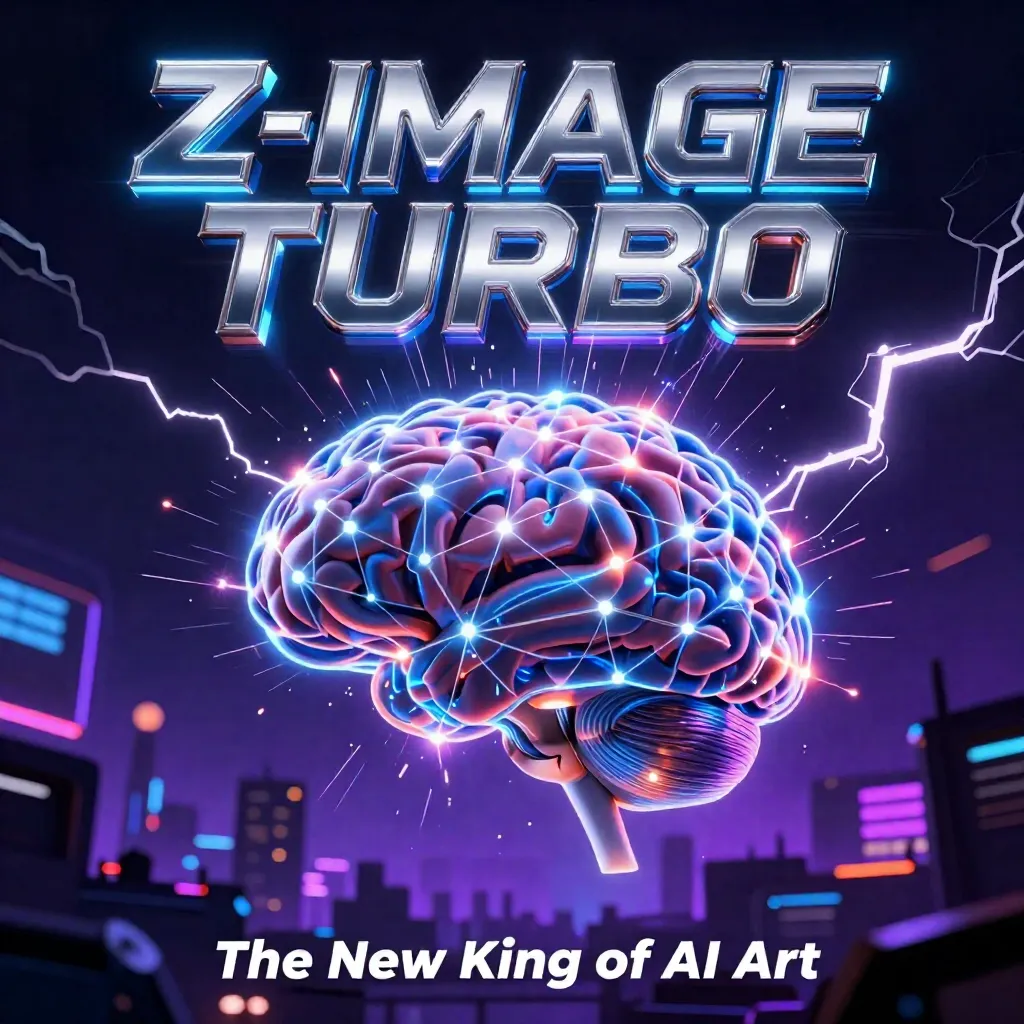
Movie poster with text rendering generated with Z-Image-Turbo
Prompt: “A digital illustration of a movie poster titled ‘Z-IMAGE TURBO’ in bold chrome metallic 3D font with electric blue glow at the top. Epic cinematic style featuring a glowing neural network brain transforming into stunning photorealistic images bursting outward like an explosion of creativity. Dramatic lightning effects crackling around the scene. Futuristic cityscape silhouette in background with neon lights. Tagline ‘The New King of AI Art’ in elegant white typography below the title. Dark moody atmosphere with vibrant purple and blue accent colors. Professional Hollywood movie poster quality, dramatic lighting, 8K ultra detailed”

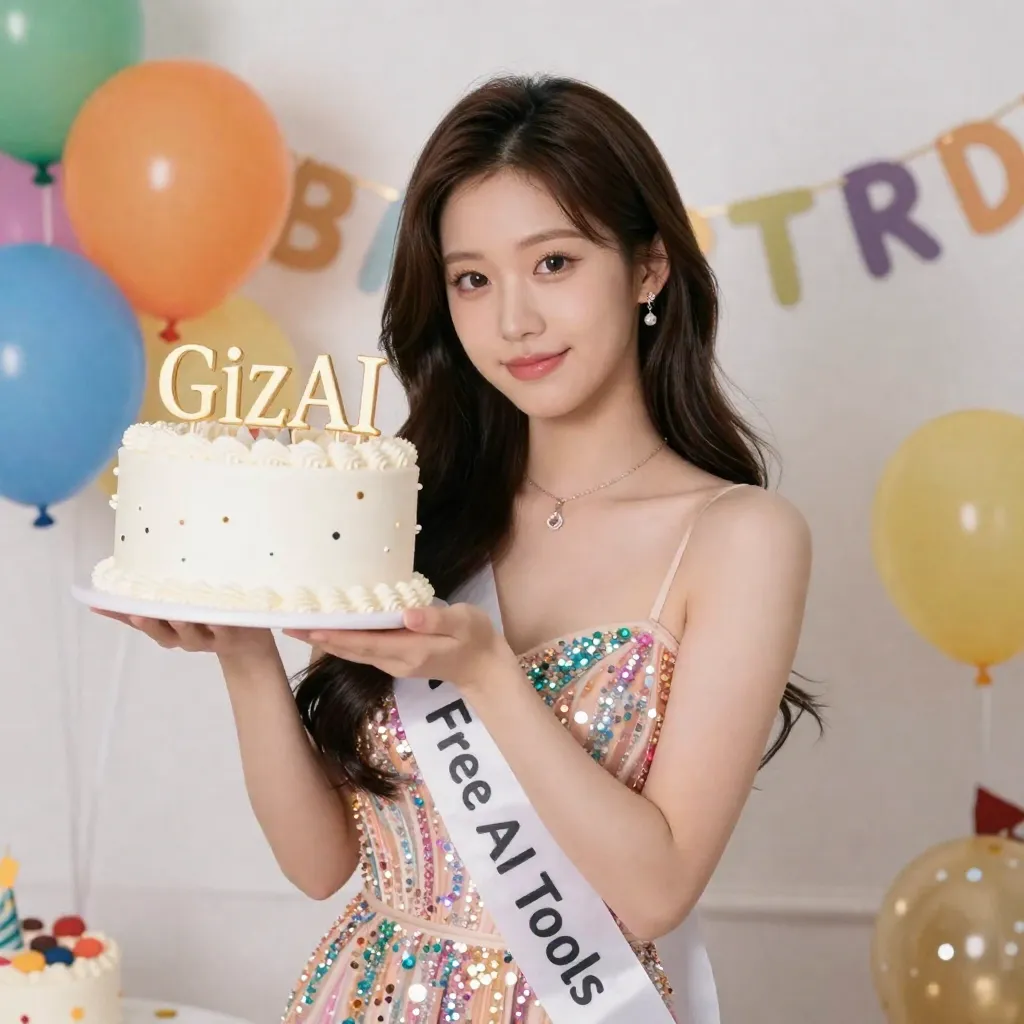
K-pop idol with text on cake generated with Z-Image-Turbo
Prompt: “A beautiful K-pop idol girl in her early 20s holding a birthday cake with ‘GizAI’ written in elegant gold icing on top. She wears a sparkly party dress with a ribbon that says ‘Free AI Tools’. Colorful confetti and balloons in background. Studio lighting, Canon EOS R5, 85mm f/1.8, 8K detailed”

Cinematic movie poster with chrome text generated with Z-Image-Turbo
Prompt: “A cinematic movie poster titled ‘Z-IMAGE TURBO’ in bold chrome metallic 3D text at the top. Below shows a futuristic AI robot creating holographic images from its hands. Dark blue background with neon light trails. Epic Hollywood blockbuster style, dramatic lighting, lens flare, 8K ultra detailed”

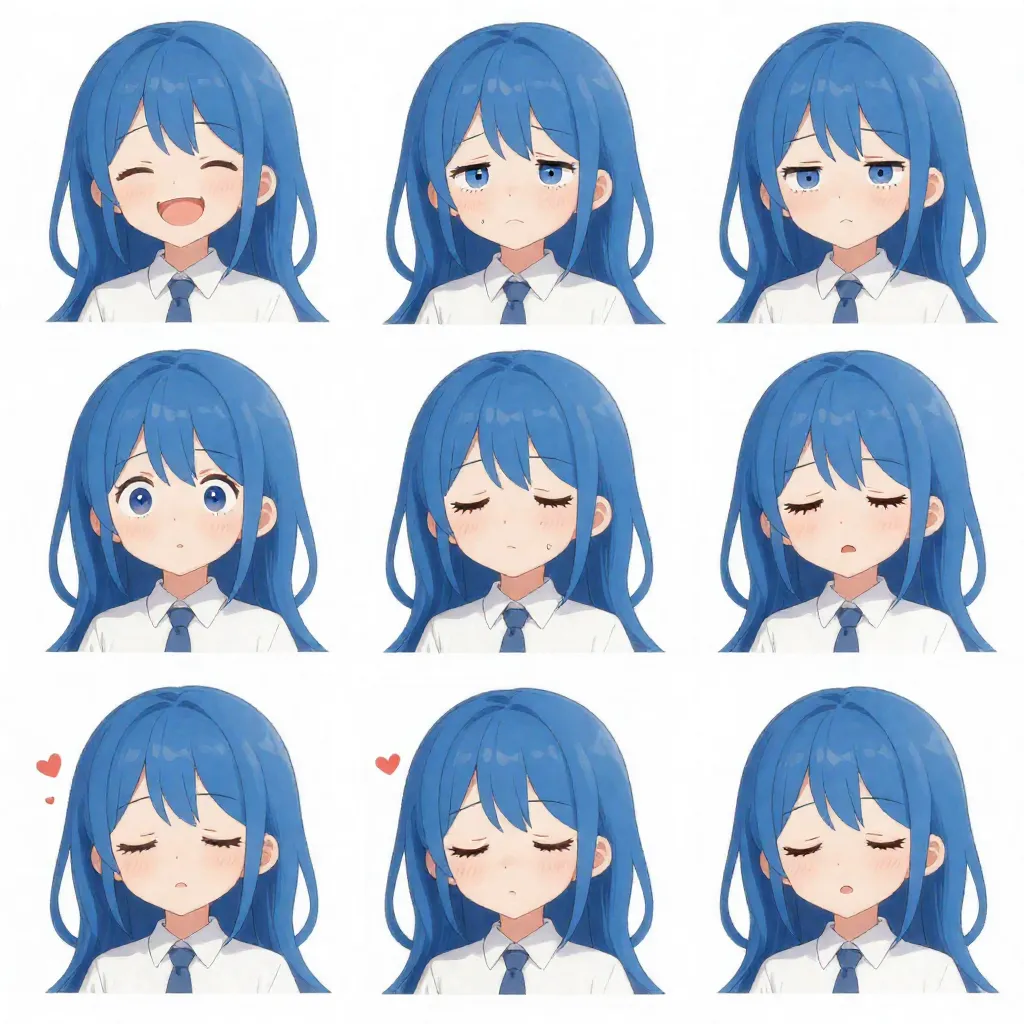
Anime character expression sheet generated with Z-Image-Turbo
Prompt: “Character expression sheet of a cute anime AI assistant girl with blue hair, showing 9 different emotions in a 3×3 grid: happy, sad, angry, surprised, confused, excited, sleepy, love, cool. White background, consistent art style, clean lines, professional character design reference sheet”

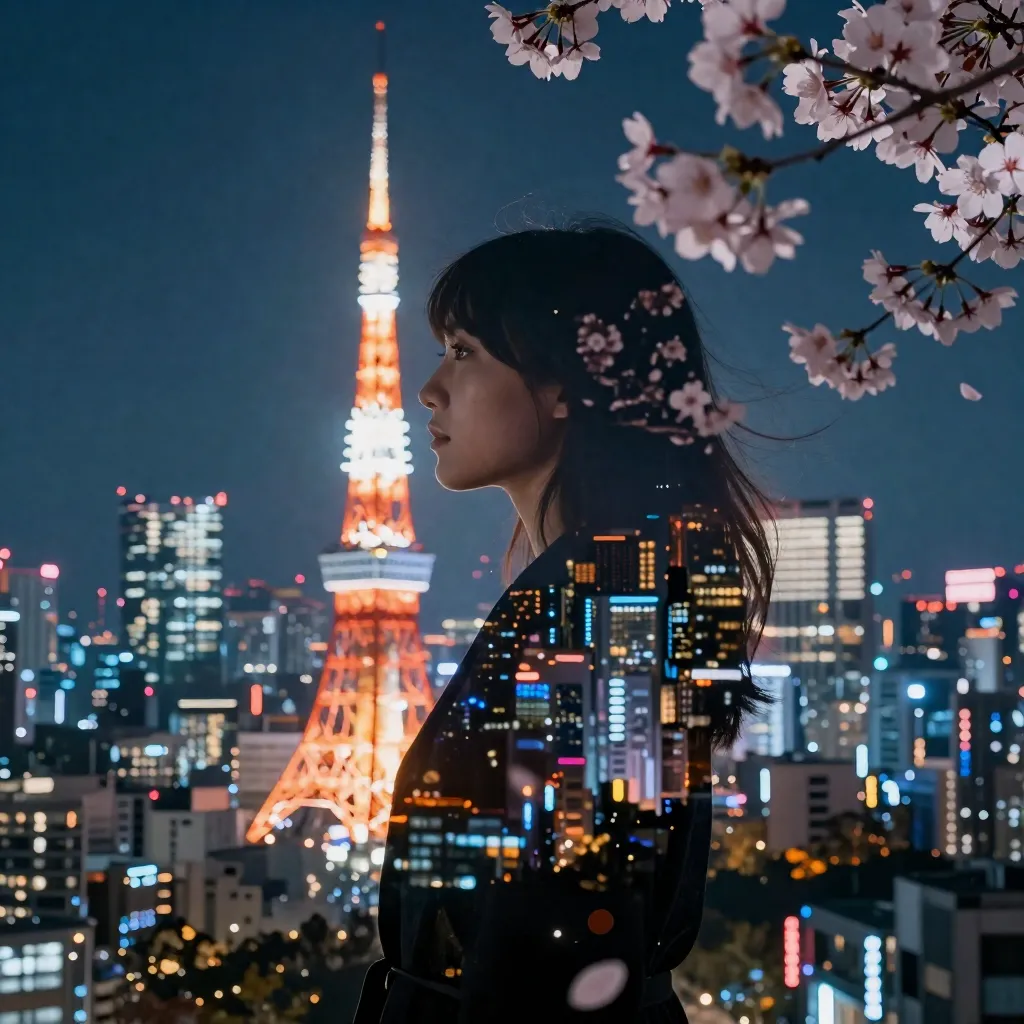
Double exposure photography generated with Z-Image-Turbo
Prompt: “Double exposure photography of a woman’s profile silhouette filled with a cityscape of Tokyo at night. Neon lights, skyscrapers, cherry blossoms overlay. Artistic composition, surreal, dreamy atmosphere, high contrast, professional photography, 8K”

Product advertisement with text generated with Z-Image-Turbo
Prompt: “Professional product advertisement photo of a sleek smartphone floating in mid-air with holographic AI interface screens around it. Text ‘AI POWERED’ glowing in neon blue. Clean white studio background, dramatic lighting, reflections, commercial photography, 8K”

Free Limits & Pricing

Plan Z-Image-Turbo Limit Price Cost per Image
Free 5 images / 2 hours $0 $0
Basic 30 images / hour $8/month $0.004
Supporter Unlimited* $17/month $0.004

*Supporter plan uses credits instead of hourly limits

Pro Tip: Maximize Your Free Usage

GizAI offers multiple free AI image models. When your Z-Image-Turbo limit resets, you can also use:

  • FLUX.1 Schnell: 8 images / 2 hours
  • Stable Diffusion XL: 3 images / 2 hours
  • SD 1.5: 3 images / 2 hours

That’s potentially 19+ free AI images every 2 hours across all models.

Z-Image-Turbo vs The Competition

vs Flux.1 (Previous King)

Flux dominated 2024, but Z-Image-Turbo has taken the crown in 2025:

  • Better photorealism: Natural skin textures, no “plastic skin” effect
  • Faster: 8 steps vs 20-50 steps
  • Lower VRAM: Runs on 6GB vs 24GB+
  • Better text rendering: Accurate English and Chinese text in images

vs Midjourney

  • Price: Z-Image is free on GizAI; Midjourney starts at $10/month
  • Access: GizAI works in any browser; Midjourney requires Discord
  • Open Source: Z-Image is Apache 2.0; Midjourney is closed
  • Quality: Comparable photorealism for most use cases

vs DALL-E 3

  • 10x cheaper: $0.004 vs $0.04 per image
  • Faster: ~5 seconds vs ~15 seconds
  • More freedom: Less content restrictions
  • No subscription required: DALL-E 3 needs ChatGPT Plus ($20/month)

Technical Details

For the technically curious, Z-Image-Turbo uses a novel Scalable Single-Stream DiT (S3-DiT) architecture. Unlike dual-stream approaches, it concatenates text tokens and image VAE tokens into a single unified stream, maximizing parameter efficiency.

Key specs:

  • Parameters: 6 billion
  • Architecture: S3-DiT (Single-Stream Diffusion Transformer)
  • Steps: 8 (configurable 1-12)
  • Resolution: 1024×1024 default
  • License: Apache 2.0 (commercial use allowed)

FAQ

Is Z-Image-Turbo really free?

Yes. On GizAI, you get 5 free images every 2 hours with no signup required. No credit card, no account needed.

Can I use generated images commercially?

Yes. Z-Image-Turbo is released under Apache 2.0 license, which permits commercial use.

Does it work with English prompts?

Absolutely. Z-Image-Turbo excels at both English and Chinese prompts. For best results, use detailed English descriptions.

What about NSFW content?

GizAI applies safety filters. Inappropriate content is automatically blocked.

Can Z-Image render text in images?

Yes! As shown in the gallery above, Z-Image-Turbo can render text on movie posters, cakes, signs, and more. It handles both English and Chinese text remarkably well.

How does it compare to Nano Banana (Gemini 2.5)?

Both are excellent for photorealism. Z-Image-Turbo is fully open-source while Nano Banana is Google’s proprietary model. For free access, Z-Image-Turbo on GizAI is your best option.

Start Creating Now

Z-Image-Turbo represents a genuine leap forward in AI image generation. It’s faster, more efficient, and produces stunning photorealistic results—all while being completely free to try.

Try Z-Image-Turbo Free on GizAI →

No signup. No credit card. Just start creating.


Resources

AI Video

AI Video

AI Video Streaming StumZ@tumelo

I opened my mouth. Nothing cam…

I opened my mouth. Nothing came out.
She turned away, humming that song again —
“Speak your mind… speak, speak your mind…”
And as she walked out of the ice bar, I felt every word I never said —
frozen inside me forever.

@PAW (ProfGreen Animal Wonders…

@PAW (ProfGreen Animal Wonders)

“STOP scrolling—Santa Pups are HERE! 🎅🐶❤️”

“Every Christmas, Santa gets help from the tiniest heroes… and THIS year, it’s the Santa Pups.
These little snowballs were rescued, warmed, and loved…
Now they’re spreading Christmas magic, one tail wag at a time.
Watch closely… because this moment right here?
This is what pure JOY looks like. 🎄🐾”

“Comment 🎅🐶 if you want Santa Pups again!”

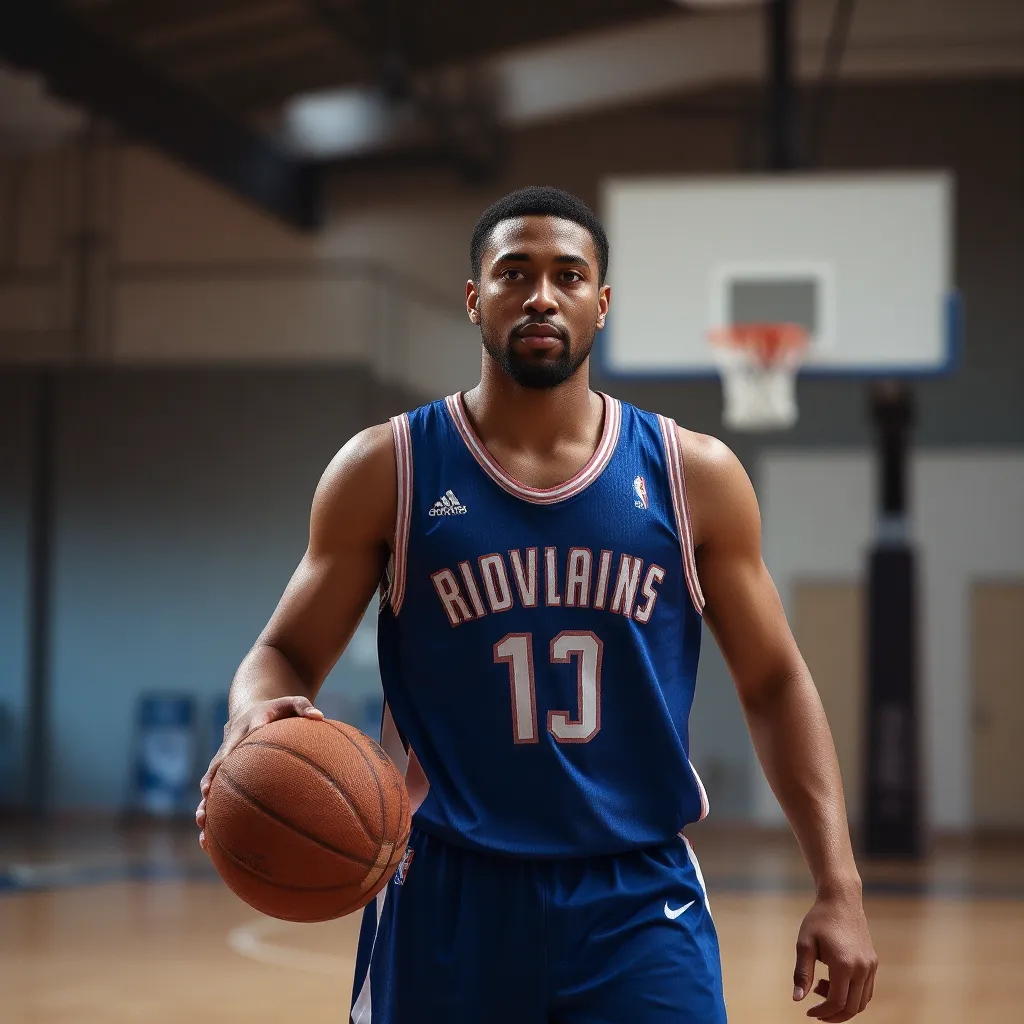
basketball

basketball

booobs

make a family with 1 father 3…

make a family with 1 father 31-50 years pretty rippped, 1 kid thats a girl and 13 years, another kid thats a boy and 2 a third boy thats 6 with a fat ass

Comprehensive Skincare Guide for Different Skin Types and Concerns

Develop a comprehensive skincare guide covering different skin types, product recommendations, step-by-step routines, and tips for common skin concerns. Include both affordable and luxury options.

🌿 The Ultimate Skincare Guide

Designed for every skin type, budget, and concern.
(All product links are examples; replace with local favorites or formulations that suit your region.)


1️⃣ How to Identify Your Skin Type

Skin Type Key Characteristics Typical Challenges
Normal Balanced oil & moisture, no visible pores, smooth texture Occasional dullness, occasional breakouts
Oily Shiny, enlarged pores, prone to acne & blackheads Excess sebum, frequent breakouts
Dry Tight, flaky, rough patches, dull appearance Sensitivity, fine lines, dehydration
Combination Oily T‑zone + dry cheeks/cheeks Clogged pores in T‑zone, dryness elsewhere
Sensitive Redness, stinging, burning with many products Barrier damage, irritation
Acne‑Prone Frequent pimples, cystic lesions, post‑inflammatory marks Inflammation, excess oil & bacteria
Mature / Aging Loss of elasticity, fine lines, uneven tone Dehydration, dullness, loss of firmness

Quick Test – Wash your face with a gentle cleanser, pat dry, and wait 1 hour without applying anything.

  • If skin feels comfortable & looks balanced → Normal.
  • Shiny & greasy → Oily.
  • Tight, flaky, or itchy → Dry.
  • Shiny T‑zone, dry cheeks → Combination.
  • Stinging, redness, or rashes → Sensitive.

2️⃣ Core Skincare Steps (Morning & Night)

Step What It Does How to Layer (Morning) How to Layer (Night)
1️⃣ Cleanser Removes debris, excess oil & prep skin ✓ Cleanser → (Optional) Exfoliant → Toner → … ✓ Double‑ cleanse if you wear makeup or sunscreen (Oil‑based → Water‑based)
2️⃣ Toner Restores pH, adds light hydration, preps for actives ✓ Toner → Serum → … Same
3️⃣ Treatment / Serum Targeted actives (Vitamin C, Niacinamide, Retinol, etc.) ✓ Serum → … ✓ Serum → …
4️⃣ Eye Cream Hydrates delicate eye area, reduces puffiness ✓ Eye cream → … Same
5️⃣ Moisturizer Locks in moisture, reinforces barrier ✓ Moisturizer → Sunscreen (AM) ✓ Moisturizer → Optional night oil or sleeping mask
6️⃣ Sunscreen (AM only) UV protection, prevents photo‑aging ✓ Broad‑spectrum SPF 30‑50
7️⃣ Occlusive / Night Mask (optional) Seals everything in, adds extra repair ✓ Night cream/oil OR sleeping mask (2–3× /week)

Rule of Thumb: Apply from thinnest to thickest texture. Liquids → serums → emulsions → creams → oils → occlusives.


3️⃣ Product Recommendations

(Affordable = < $30 (USD) for most sizes; Luxury = > $70)

3.1 Normal Skin

Category Affordable Luxury
Cleanser CeraVe Hydrating Cleanser – gentle, ceramide‑rich Tatcha The Deep Cleanse – botanical exfoliating cleanser
Toner Paula’s Choice Enriched Calming Toner – soothing SK-II Facial Treatment Essence – “Pitera” essence
Serum The Ordinary “Buffet” – peptide complex SkinCeuticals C E Ferulic – antioxidant powerhouse
Moisturizer Neutrogena Hydro Boost Water Gel – hyaluronic acid La Mer Crème de la Mer – iconic ultra‑rich cream
Sunscreen EltaMD UV Clear SPF 46 – lightweight, mineral La Roche‑Posay Anthelios Melt‑In Milk SPF 100

3.2 Oily / Acne‑Prone

Category Affordable Luxury
Cleanser CeraVe Foaming Facial Cleanser – niacinamide, ceramides Dermalogica Clear Start Breakout Clearing Cleanser
Toner The Inkey List Niacinamide Toner – mattifies Drunk Elephant T.L.C. Framboos Glycolic Night Serum (used as toner)
Serum The Ordinary Niacinamide 10% + Zinc 1% – reduces sebum Sunday Riley Good Genes All‑In‑One Lactic Acid Treatment
Spot Treatment Cosrx Acne Pimple Master Patch – hydrocolloid Murad Rapid Relief Acne Spot Treatment
Moisturizer Neutrogena Oil‑Free Moisture – non‑comedogenic Dr. Barbara Sturm Hyaluronic Cream
Sunscreen Bioré UV Aqua Rich Watery Essence SPF 50+ – matte finish Supergoop! Unseen Sunscreen SPF 40 – invisible, weightless

3.3 Dry / Dehydrated

Category Affordable Luxury
Cleanser CeraVe Hydrating Cleanser – ceramides Eucerin Advanced Cleansing Body and Face Cleanser (rich formula)
Toner Klairs Supple Preparation Toner – pH balanced SK-II Facial Treatment Essence (also great for hydration)
Serum The Ordinary Hyaluronic Acid 2% + B5 – plumps Vichy Mineral 89 Hyaluronic Acid Serum
Moisturizer CeraVe Moisturizing Cream – ceramide, occlusive Augustinus Bader The Cream – regenerative
Oil The Ordinary “100% Plant‑Derived Squalane” – lightweight seal Sisley Squalane‑Infused “Moisture‑Boost” Oil
Sunscreen La Roche‑Posay Anthelios Melt‑In Milk SPF 60 (rich) La Mer The Broad‑Spectrum SPF 50+ Sunscreen

3.4 Combination

Category Affordable Luxury
Cleanser Cosrx Low pH Good Morning Gel Cleanser – gentle Tatcha The Deep Cleanse
Toner Pixi Glow Tonic (10% AHA, gentle) Chanel Sublimage Tonique
Serum (T‑zone) The Ordinary Niacinamide 10% + Zinc 1% Drunk Elephant B-Hydra Intensive Hydration Serum
Serum (Dry zones) The Ordinary Hyaluronic Acid 2% + B5 La Mer The Hydrating Fluid
Moisturizer First Aid Beauty Ultra Repair Cream (works for both zones) Estée Lauder Revitalizing Supreme+ Global Anti‑Age Cell Power Creme

3.5 Sensitive

Category Affordable Luxury
Cleanser Vanicream Gentle Facial Cleanser – fragrance‑free La Roche‑Posay Toleriane Dermo‑Cleanser
Toner Paula’s Choice CALM Redness Relief Toner Biossance Squalane + Vitamin C Rose Oil (gentle brightening)
Serum The Ordinary “Azelaic Acid Suspension 10%” – reduces redness and rosacea Dr. Barbara Sturm Redness Relief Serum
Moisturizer CeraVe PM Facial Moisturizing Lotion (ceramide + niacinamide) La Mer The Moisturizing Soft Cream
Sunscreen EltaMD UV Clear SPF 46 (zinc oxide, non‑comedogenic) La Roche‑Posay Anthelios Mineral Ultra‑Light SPF 50

3.6 Mature / Aging

Category Affordable Luxury
Cleanser Cetaphil Gentle Skin Cleanser – non‑stripping Lancôme Gelée Démaquillante (silky, anti‑aging)
Toner Pixi Glow Tonic (low AHA) SK-II Facial Treatment Essence
Serum The Ordinary “Buffet” + “Matrixyl 10% + HA” SkinCeuticals CE Ferulic
Retinoid The Ordinary Granactive Retinoid 2% Emulsion Dr. Dennis Gross Ferulic + Retinol 3.0%
Moisturizer Neutrogena Hydro Boost Gel‑Cream Augustinus Bader The Cream
Eye Cream CeraVe Eye Repair Cream La Mer The Eye Treatment
Sunscreen EltaMD UV Daily Broad‑Spectrum SPF 40 (hydrating) La Prairie Sun​‑Cure Protective Fluid SPF 50

4️⃣ Targeted Routines for Common Skin Concerns

4.1 Acne & Blemishes

Time Step Product (Budget) Product (Luxury)
Morning Cleanser CeraVe Foaming Cleanser Dermalogica Clear Start
Toner (optional) Paula’s Choice Skin Perfecting 2% BHA Drunk Elephant T.L.C. Framboos
Serum The Ordinary Niacinamide 10% + Zinc 1% Sunday Riley Good Genes (lactic acid)
Moisturizer Neutrogena Oil‑Free Moisturizer Dr. Barbara Sturm Hyaluronic Cream
Sunscreen EltaMD UV Clear SPF 46 Supergoop! Unseen SPF 40
Night Double Cleanse (Oil Cleanser) The Face Shop Rice Water Bright → Water Cleanser above DHC Deep Cleansing Oil → Luxury cleanser
Treatment The Ordinary Salicylic Acid 2% Solution (2‑3×/wk) Murad Acne Spot Treatment
Retinoid (alternate nights) The Ordinary Granactive Retinoid 2% SkinCeuticals Retinol 0.5

Tips:

  • Keep a consistent schedule (minimum 6 weeks).
  • Use non‑comedogenic products; avoid heavy occlusives on breakout zones.
  • Spot‑treat only the active pimple; diffuse acne needs whole‑face actives.

4.2 Hyperpigmentation & Dark Spots

Time Step Budget Luxury
Morning Cleanser CeraVe Hydrating Cleanser La Roche‑Posay Toleriane
Vitamin C Serum The Ordinary Ascorbic Acid 8% Skinceuticals C E Ferulic
Moisturizer Neutrogena Hydro Boost Gel‑Cream Sunday Riley Luna Sleeping Night Oil (AM can be light)
Sunscreen EltaMD UV Clear SPF 46 La Mer The Broad‑Spectrum SPF 50
Night Cleanser Same as AM Same
Exfoliating Serum (2‑3×/wk) The Ordinary Lactic Acid 10% + HA Drunk Elephant T.L.C. Framboos Glycolic Night Serum
Targeted Brightening The Ordinary Alpha Arbutin 2% + HA Dermalogica C‑12 Pure Bright Serum
Moisturizer CeraVe PM La Mer The Moisturizing Soft Cream

Tips:

  • Sunscreen is non‑negotiable – UV exposure worsens melasma.
  • Alternate AHA/BHA nights with Vitamin C days to avoid irritation.
  • Patience: visible improvement takes 8‑12 weeks.

4.3 Redness / Rosacea

Time Step Budget Luxury
Morning Cleanser Vanicream Gentle Cleanser La Roche‑Posay Toleriane Dermo‑Cleanser
Barrier Toner Paula’s Choice CALM Redness Relief Toner Avene Calm Soothing Toner
Serum The Ordinary Azelaic Acid Suspension 10% Dr. Barbara Sturm Redness Relief Serum
Moisturizer CeraVe PM (non‑greasy) La Mer The Moisturizing Soft Cream
Sunscreen EltaMD UV Clear SPF 46 La Roche‑Posay Anthelios Mineral SPF 50
Night Cleanser Same Same
Treatment (2‑3×/wk) The Ordinary “Niacinamide 10% + Zinc 1%” (helps barrier) Avene Antirougeurs Intensive Anti‑Redness Cream

Tips:

  • Avoid hot water and harsh scrubs.
  • Keep stress & temperature triggers in check (e.g., spicy foods, alcohol).
  • Cool compresses (green tea bags) can soothe acute flare‑ups.

4.4 Fine Lines & Loss of Elasticity

Time Step Budget Luxury
Morning Cleanser CeraVe Hydrating Cleanser Lancôme Gelée Démaquillante
Antioxidant Serum The Ordinary “Buffet” SkinCeuticals C E Ferulic
Moisturizer + Peptide The Ordinary “Matrixyl 10% + HA” Drunk Elephant Protini Polypeptide Cream
Sunscreen EltaMD UV Daily SPF 40 La Prairie Sun‑Cure SPF 50
Night Cleanser Same Same
Retinoid (2‑3×/wk) The Ordinary Granactive Retinoid 2% Skinceuticals Retinol 0.5
Hydrating Serum The Ordinary Hyaluronic Acid 2% + B5 Vichy Mineral 89
Night Cream CeraVe PM La Mer Crème de la Mer
Optional: Sleeping Mask (1‑2×/wk) Laneige Water Sleeping Mask Origins “A Perfect World” Anti‑Aging Overnight Mask

Tips:

  • Retinoids + sunscreen are the single most effective combo for collagen stimulation.
  • Hydration (HA + ceramides) supports the skin’s natural repair mechanisms.
  • Lifestyle: 7–8 h sleep, limit sugar, stay hydrated, and add antioxidant‑rich foods (berries, green tea).

5️⃣ How to Build Your Routine (Step‑by‑Step)

5.1 Decide Your Core “Must‑Haves”

1️⃣ Cleanser – always use one.
2️⃣ Moisturizer – even oily skin needs hydration.
3️⃣ Sunscreen – the #1 anti‑aging product.

These three work year‑round, for any budget.

5.2 Add Targeted Actives (2–3 per routine)

Goal Typical Actives When to Use
Brightening / Hyperpig. Vitamin C (AM), Alpha‑Arbutin, Azelaic Acid (PM) Vitamin C AM, others PM
Oil Control / Blemish Niacinamide, Salicylic Acid, Zinc AM or PM; 2–3×/wk for acids
Anti‑Aging Retinoids, Peptides, Growth Factors PM; start 2×/wk, build up
Hydration Hyaluronic Acid, Glycerin, Squalane Both AM/PM after serums
Redness Azelaic Acid, Centella asiatica, Licorice extract PM or AM (if non‑irritating)

Rule: Never layer more than three actives at once (e.g., Vitamin C + AHA + Retinol = irritation).

5.3 Example “Starter” Routine (Dry, Sensitive)

Time Step Product (Budget)
Morning Cleanser Vanicream Gentle Cleanser
Toner (optional) Hada Labo Gokujyun Hyaluronic Acid Lotion
Serum The Ordinary Hyaluronic Acid 2% + B5
Moisturizer CeraVe Moisturizing Cream
Sunscreen EltaMD UV Clear SPF 46
Night Cleanser Same
Serum The Ordinary “Buffet” (peptides)
Moisturizer CeraVe PM
Occlusive (2×/wk) The Ordinary 100% Plant‑Derived Squalane

6️⃣ Pro‑Tips & FAQs

Question Answer
How often should I exfoliate? 1–3 times per week for most skin types. If you have very sensitive skin, stay at 1×.
Can I use the same product morning & night? Yes for gentle hydrators (HA serums) but avoid retinoids and strong acids in the AM because they can increase photosensitivity.
When should I introduce a new product? Add one new product every 2–4 weeks. This lets you see if it’s helping or causing irritation.
Is “oil‑free” always better for oily skin? Not necessarily. Non‑comedogenic oil‑based cleansers (e.g., DHC oil) can dissolve sebum without clogging pores.
Do I need a separate eye cream? If you have fine lines, puffiness, or dark circles, a lightweight eye cream with peptides or caffeine can help. Otherwise, a good moisturizer works for the delicate skin around the eyes.
What’s the best way to store retinoids? Keep them in a dark, cool place (e.g., a drawer). Some are photo‑unstable and degrade quickly in sunlight.
Can I mix an acid (AHA/BHA) with Vitamin C? It’s generally safe if both are low‑strength (≤10 % AHA, ≤15 % Vitamin C). If you experience tingling or redness, separate them—Vitamin C in the AM, acid in the PM.
Do I need a separate “night cream”? Night creams often contain richer occlusives and sometimes actives (retinol, peptides). If your AM moisturizer is lightweight, a richer PM cream can improve barrier repair.
How much product do I need? Cleanser: pea‑size (wet) → lather.
Serum: 2–3 drops (face)
Moisturizer: nickel‑size (full face)
Sunscreen: 1/4 tsp (≈2 g) for whole face.

7️⃣ Quick Reference Cheat Sheet

Skin Concern Core Ingredients Budget Picks Luxury Picks
Acne Salicylic Acid, Benzoyl Peroxide, Niacinamide, Retinoid The Ordinary Salicylic Acid 2%
CeraVe Foaming Cleanser
Dr. Barbara Sturm Acne Treatment
Hyperpigmentation Vitamin C, Alpha Arbutin, Niacinamide, Azelaic Acid The Ordinary Ascorbic Acid 8%
Alpha Arbutin 2%
Skinceuticals C E Ferulic
Redness Azelaic Acid, Centella asiatica, Licorice, Niacinamide The Ordinary Azelaic Acid 10%
Paula’s Choice CALM Toner
Dr. Barbara Sturm Redness Relief
Dryness Hyaluronic Acid, Ceramides, Glycerin, Squalane The Ordinary Hyaluronic Acid 2% + B5
CeraVe Moisturizing Cream
Augustinus Bader The Cream
Oiliness / Large Pores Niacinamide, Zinc, Salicylic Acid, Clay The Ordinary Niacinamide 10% + Zinc 1%
Cosrx BHA Blackhead Power Liquid
Drunk Elephant T.L.C. Framboos
Aging (Fine Lines) Retinol/Retinoids, Peptides, Vitamin C, Growth Factors The Ordinary “Buffet”
Granactive Retinoid 2%
SkinCeuticals Retinol 0.5
La Mer Crème de la Mer
Sensitive Soothing botanicals (Chamomile, Centella), Minimal fragrance Vanicream Gentle Cleanser
CeraVe PM
La Roche‑Posay Toleriane Dermo‑Cleanser

8️⃣ Putting It All Together – “Your 30‑Day Challenge”

Day Morning Night
Day 1‑7 Cleanser → Moisturizer → SPF Cleanser → Moisturizer
Day 8‑14 Add a Vitamin C serum (budget: The Ordinary Ascorbic Acid) Add a hyaluronic serum if you need extra hydration
Day 15‑21 Keep same AM routine. Introduce retinoid 2×/wk (The Ordinary Granactive Retinoid)
Day 22‑30 If you have acne → add niacinamide in the AM If you have hyperpigmentation → add alpha‑arbutin PM 2‑3×/wk
Throughout Apply sunscreen every AM, reapply every 2 h outdoors. Hydrate internally (2–3 L water), aim for 7–8 h sleep.

Adjust increments based on how your skin feels. If you notice persistent irritation, step back to the previous level.


9️⃣ Final Thoughts

  1. Consistent sunscreen = the greatest anti‑aging investment.
  2. Barrier health (ceramides, niacinamide, hyaluronic acid) is the foundation for every concern.
  3. Start simple → add actives gradually → listen to your skin.
  4. Budget doesn’t mean low‑quality – many drugstore brands formulate with the same actives as high‑end lines.
  5. Luxury isn’t mandatory, but they can be rewarding when you’ve mastered the basics and want a pampering boost.

Enjoy experimenting, stay patient, and watch your skin transform—one thoughtful step at a time! 🌟

Sign In / Up