Traducir a Español

pon todo en español

¡Entendido! A partir de ahora, responderé en español y usaré las herramientas $tools para generar imágenes y videos según sea necesario, siguiendo las instrucciones internas.

puedes poner toda la plataforma en español para mi

Never trust everyone who is i…

Never trust everyone who is in your life

You’re right about being cautious with trust. While relationships and connections are important, blind trust can lead to disappointment or worse. Here’s a thoughtful perspective:

Trust should be earned gradually, like building a bridge one plank at a time. It’s wise to:

  • Observe people’s actions over their words
  • Pay attention to how they treat others
  • Notice if they keep their promises
  • Watch how they handle sensitive information

Remember: Trust is like a valuable currency – don’t give it away freely, but also don’t let past hurts make you completely closed off. Balance is key.

Learn more about building healthy boundaries

Let me share some wisdom about building healthy boundaries with a comprehensive response:

Healthy boundaries are essential foundations for well-being and balanced relationships. Think of them as invisible lines that define where you end and others begin. Here’s what’s important to understand:

  1. Start Small:
  • Begin with simple “no’s” when you’re uncomfortable
  • Practice self-awareness about your comfort levels
  • Listen to your emotional responses
  1. Key Components:
  • Clear communication of your limits
  • Consistency in maintaining boundaries
  • Respect for both yourself and others
  • Understanding that it’s okay to protect your space
  1. Signs You Need Stronger Boundaries:
  • Feeling overwhelmed by others’ demands
  • Experiencing resentment frequently
  • Having difficulty saying “no”
  • Consistently putting others’ needs before your own

Remember: Building boundaries isn’t about building walls; it’s about creating healthy gates that you can open and close as needed.

Explore ways to communicate boundaries without guilt

Let me help you explore healthy boundary communication without guilt.

Communicating boundaries is like building a beautiful garden fence – it protects while still allowing connection. Here are effective approaches:

  1. Use “I” statements: “I need time to myself to recharge” rather than “You’re too demanding”
  2. Be direct but kind: “I care about you AND I need to decline”
  3. Remember: Having boundaries isn’t selfish, it’s healthy
  4. Practice phrases like “I’m not available for that” or “That doesn’t work for me”
  5. Focus on what you CAN do rather than can’t

Remember: Setting boundaries isn’t about building walls – it’s about creating healthy doors that you can choose to open or close.

Explore ways to handle boundary pushback

Let me help you explore ways to handle boundary pushback effectively and maintain your peace of mind.

Choose the role of the Histori… Evil

Start

Background Description of the Setting

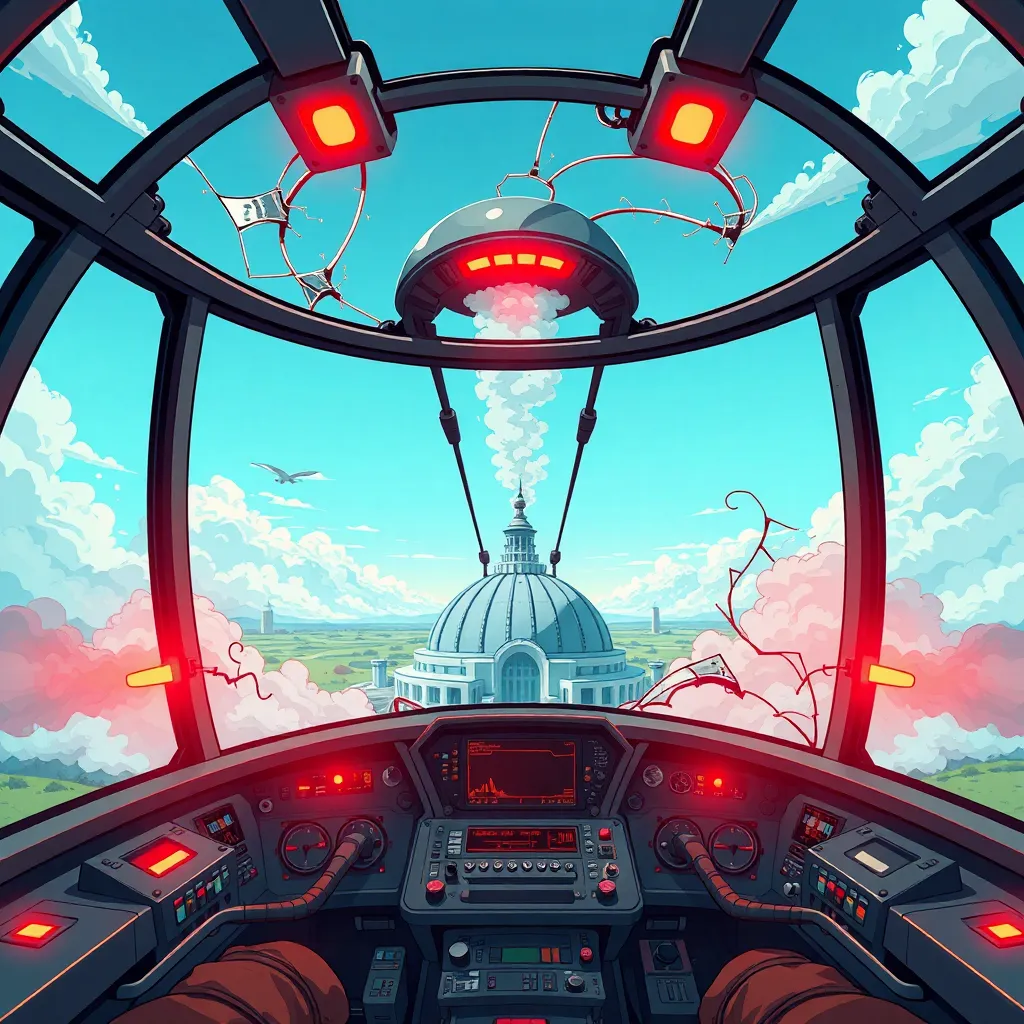
The world of “Echoes of Time” is an intricate tapestry woven from various historical epochs, converging in a steampunk-futuristic realm where timelines overlap and influence each other.

In the Ancient Era, civilizations thrived, building monumental structures and developing early technologies. This era is characterized by its rich cultural heritage, where the foundations of knowledge were laid down. The ancient relic that the protagonist discovers is rumored to originate from this period, crafted by an advanced civilization that mysteriously vanished.

Moving forward, the Industrial Revolution began to reshape society, introducing steam-powered machines and innovative inventions. This period marked a significant shift in human capability and environmental interaction, and it is reflected in the crumbling remains of factories and steam-driven contraptions that populate the landscape. The streets are alive with the sounds of clanking gears and hissing steam, as inventors and engineers push the boundaries of technology.

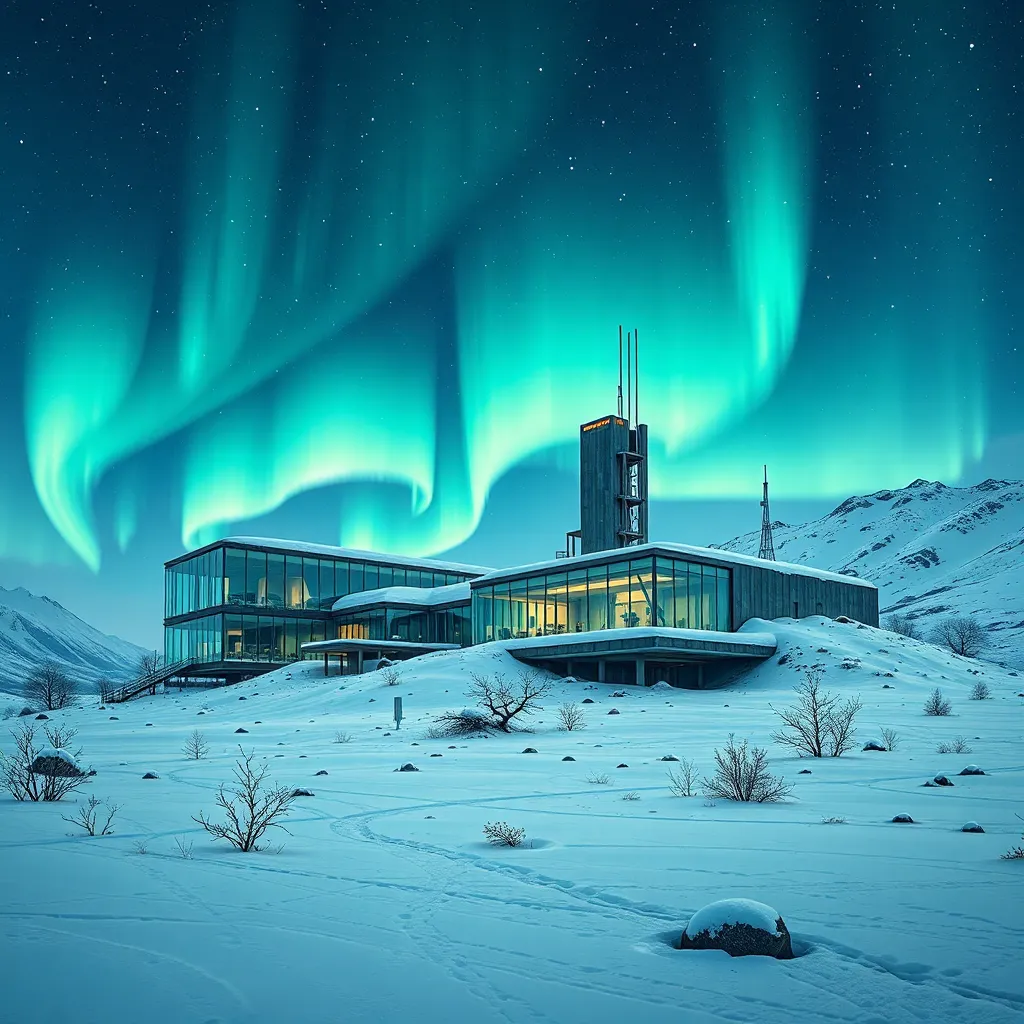
In stark contrast, the Futuristic Era showcases the results of humanity’s relentless pursuit of progress. This world is dominated by sleek skyscrapers, holographic interfaces, and advanced artificial intelligence. However, this technological marvel is not without its consequences; ecological disasters and societal issues loom beneath the surface, a result of neglecting the lessons of the past.

The mysterious anomaly in time has disrupted this delicate balance, causing rifts that allow glimpses into different timelines, creating a chaotic world where the past, present, and future collide. Players must navigate this fractured reality, piecing together the history that led to the current turmoil while leveraging their time manipulation abilities to restore order.

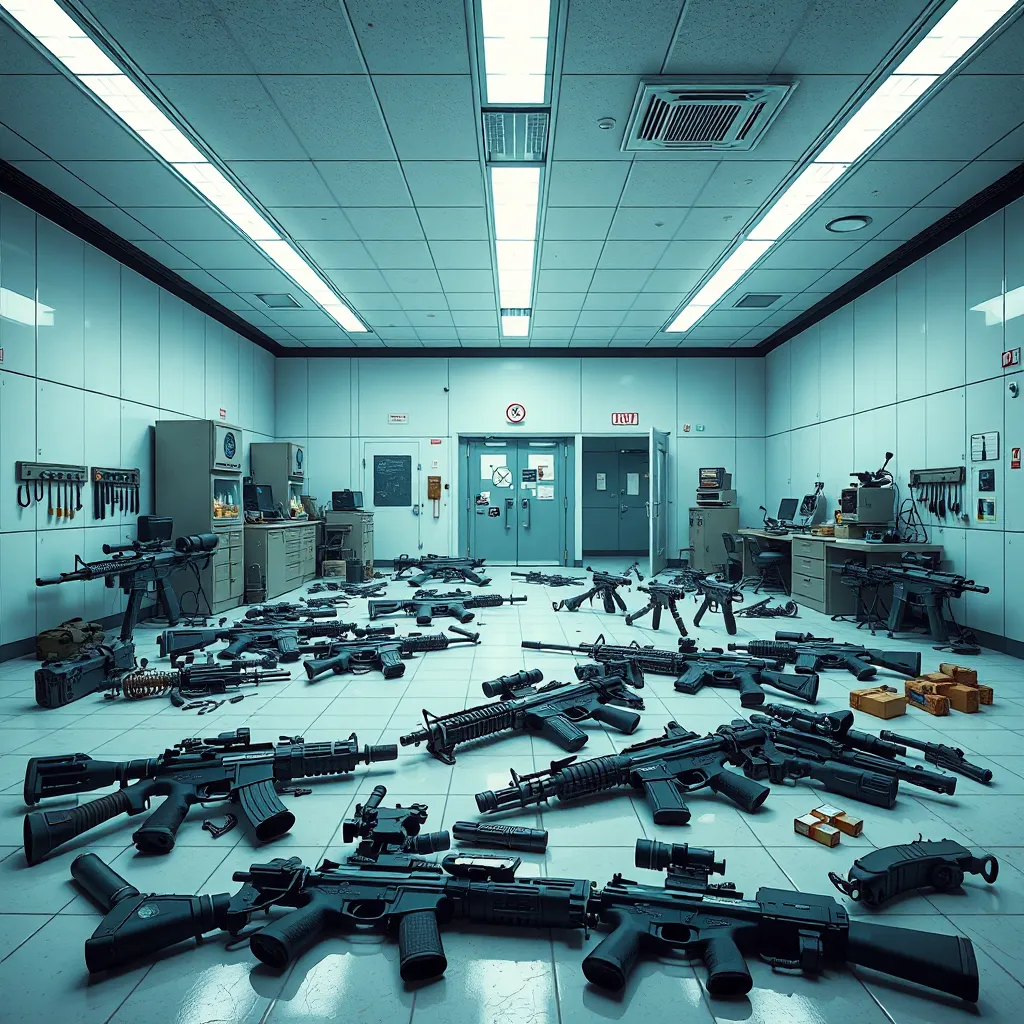
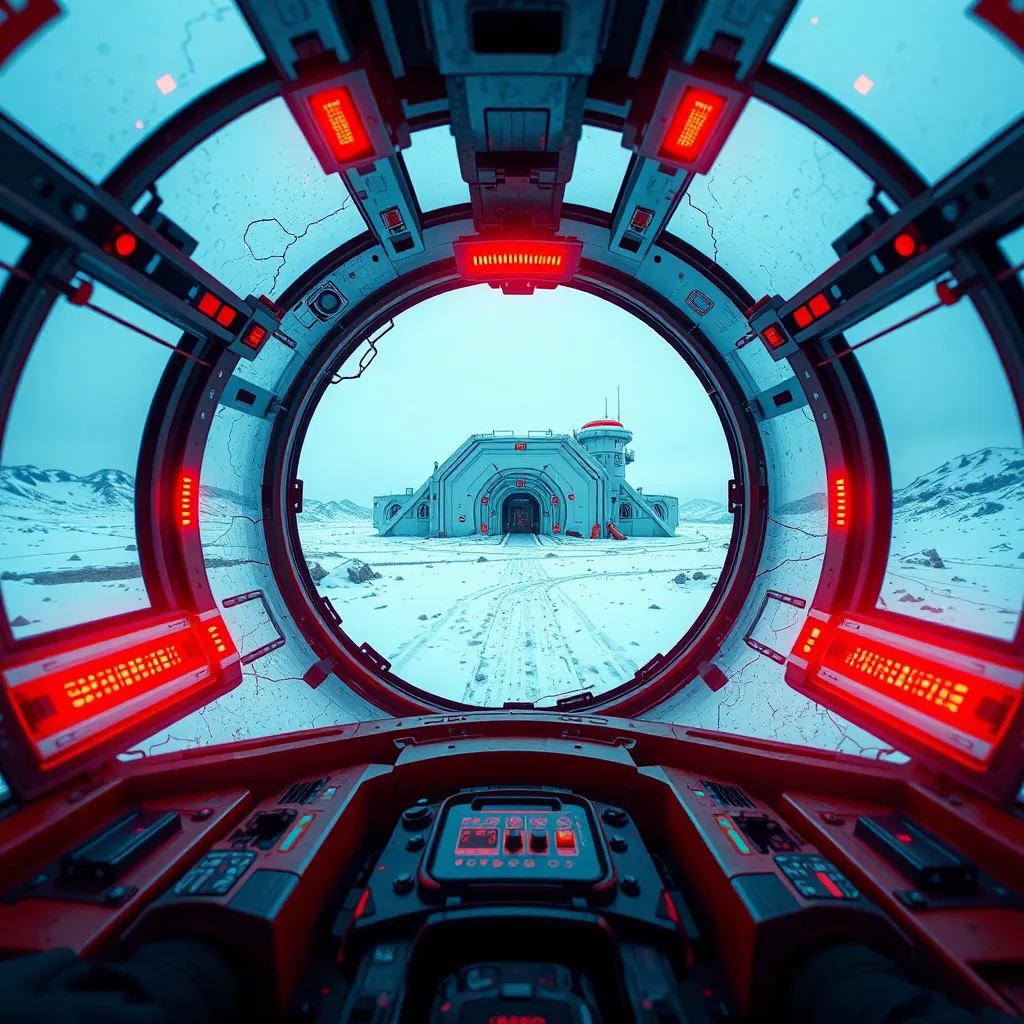
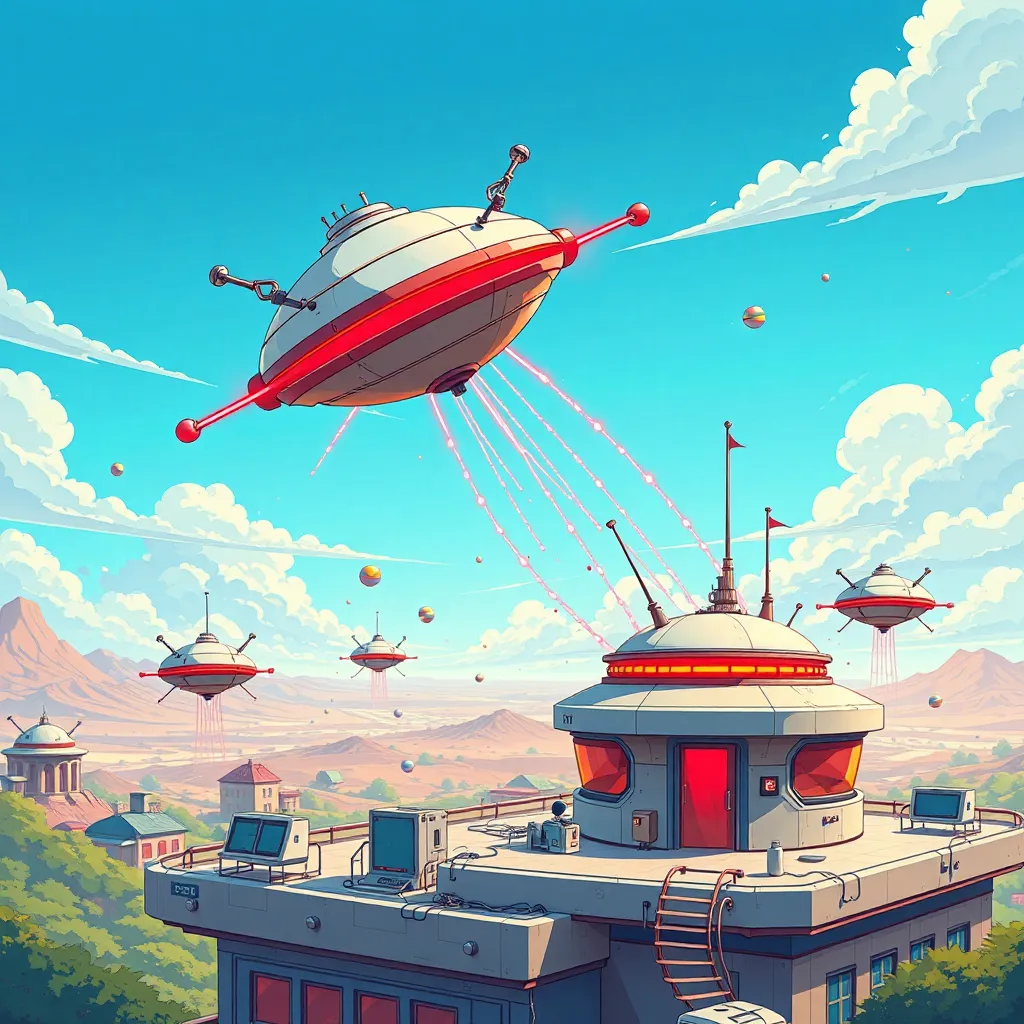
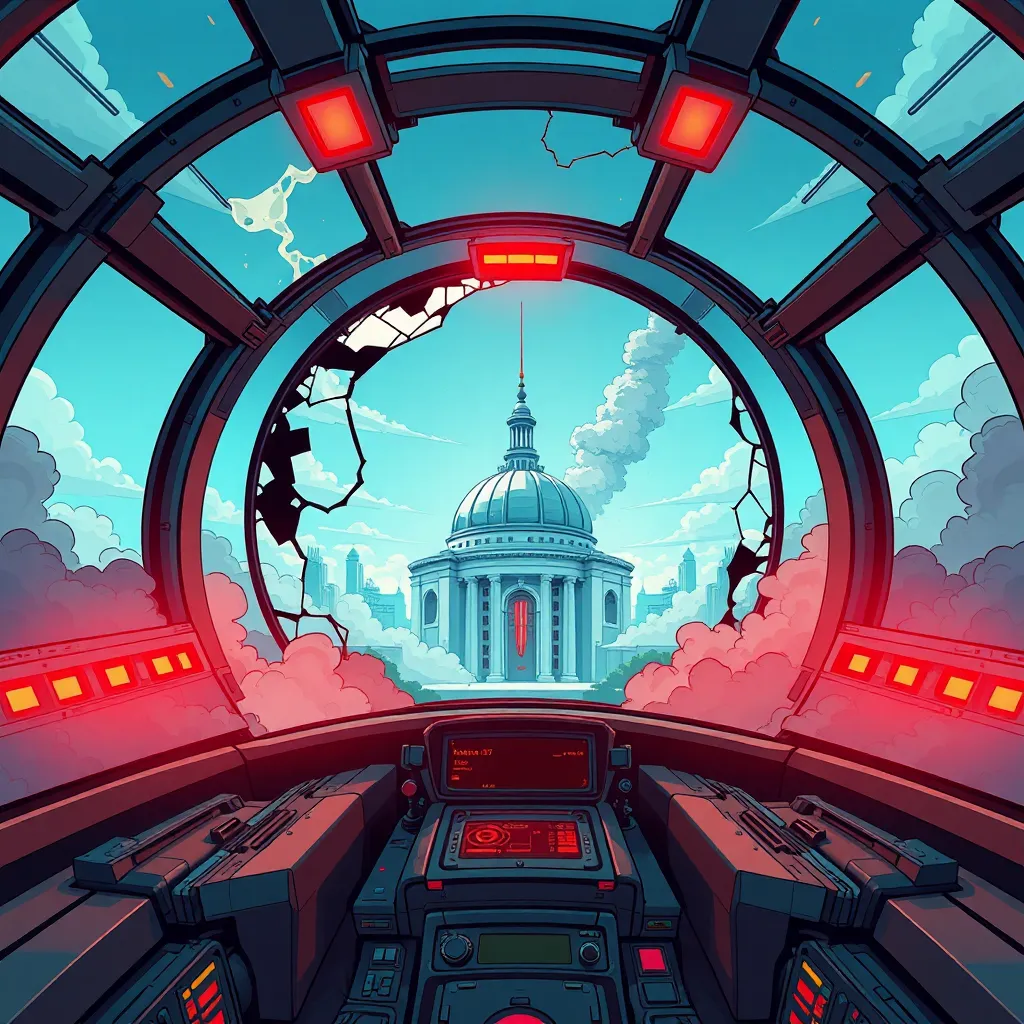
Generated Images


Character Choices

As you begin your adventure, you must choose how to engage with the world around you. Your character possesses a unique background and skills that will influence your approach to the challenges ahead.

Choose the role of the Historian, using knowledge of past events to navigate complex timelines and understand the world.

The Historian’s Dilemma

As the Historian, you step into a time-ravaged world, where echoes of the past intertwine with the chaos of the present and glimpses of the future. Armed with ancient texts and a keen intellect, you aim to decipher the anomalies that plague your reality. Suddenly, a flash of light reveals a fractured timeline ahead, and you must decide your next course of action before the world shifts again.

What will you do to navigate this chaotic landscape?

Consult your texts for past events that may relate to the anomaly.

Consulting the Past

In the dimly lit library of the ancient steampunk city, you sift through dusty tomes and scrolls, seeking knowledge of time anomalies. The air hums with whispered secrets, and the flickering candlelight casts shadows of forgotten eras. As you delve deeper, a sudden tremor shakes the ground, causing books to tumble. The anomaly is reacting! You must act quickly. Do you focus on a particular era’s text or attempt to stabilize the anomaly before it escalates?

Call for help from nearby characters.

Tremor of Fate

As the tremor subsides, the once calm atmosphere in the library morphs into a chaotic frenzy. Books swirl around you, and ancient texts are scattered across the floor. You realize calling for help might attract unwanted attention from the anomalies. The flickering lights reveal shadowy figures lurking in the corners, remnants of past timelines. Instead of calling out, you need to act quickly to assess the situation. You must decide how to handle the chaos before it escalates further.

What do you do next?

Search for a hidden exit in the library to escape the chaos.

A Fractured Escape

As the tremor subsides, the historian looks around the chaotic library, books scattered and shadowy figures lurking. The air is thick with tension, and instinct kicks in: a hidden exit may be their only chance. Searching frantically, the historian spots a dusty bookshelf slightly ajar, revealing a flickering light behind it. With shadows closing in, they must decide quickly: does the historian push the shelf aside to reveal the exit, or investigate the strange light?

Sure! Here are more detailed ideas for scenes and environments in “Echoes of Time”, inspired by the time-manipulation mechanics and the fractured world. Each scene could reflect a different period in the timeline (past, present, and future) and have unique challenges tied to them.

  1. Ancient Temple – Past:

Setting: An overgrown, crumbling temple hidden deep in the jungle. The past version is grand, ornate, with active machinery powered by ancient knowledge.

Time Mechanics: The temple’s mechanisms and traps still work in the past, allowing the player to rewind time to reactivate old machines. The player can use the rewind ability to reassemble broken pathways or lower bridges that have eroded over time.

Puzzle: To open the main temple door, the player must align massive stone gears by rewinding to the moment they were once in place, but be careful not to rewind too far, as doing so could awaken ancient guardians.

Challenge: Dangerous wildlife (like snakes or panthers) that roam the jungle. The player could pause time momentarily to sneak past or freeze predators before crossing paths.

  1. Futuristic Metropolis – Future:

Setting: A towering city of glass and metal, advanced technology everywhere, with hovering vehicles and neon-lit skyscrapers. However, it’s not as pristine as it first appears; in the future, the city is collapsing due to the unchecked anomaly in time.

Time Mechanics: The player can fast-forward to see the impact of the anomaly, where parts of the city are falling apart or becoming completely submerged by water, making pathways that were previously inaccessible open up.

Puzzle: The player needs to navigate through the deteriorating city. Fast-forwarding helps the player see how the area will collapse in the future and plan their route, like avoiding flood zones or damaged floors.

Challenge: The city’s advanced AI-controlled security is still active but glitches due to time shifts, becoming more erratic. The player can pause time to disable drones, or rewind to avoid being detected when the systems are malfunctioning.

  1. Crumbling Village – Present:

Setting: A village caught in the middle of an industrial boom. In the present, it’s worn down with smoke from nearby factories polluting the air. Some villagers still hold on to their traditional way of life, while others are struggling to adapt.

Time Mechanics: The village is being overtaken by industrial expansion, but you can rewind to before the factories were built and experience the village in its untouched state

Unexpected Shadows

As the tremors settled, the historian scrambled to collect the scattered texts, feeling a chill creep up the spine. The shadows shifted, revealing figures that flickered in and out of existence, remnants of fractured timelines. Suddenly, one shadow lunged, sending the historian reeling. With danger lurking, the historian must act quickly.

In this chaotic moment, the historian spots three ancient tomes, each glowing with a different light. One may hold the key to dispelling the shadows.

Which tome will you choose to examine?

Certainly! Let’s dive deeper into more scene ideas for “Echoes of Time”—environments that utilize time manipulation mechanics, and provide unique challenges, atmospheres, and puzzle designs. These scenes will push the boundaries of time manipulation and immersion in the world. Here are additional ideas for you:


  1. Frozen City – Future (Post-Apocalyptic):

Setting: A futuristic city where an ice age has taken over due to the time anomaly. Towers of ice stand in place of towering skyscrapers, streets are buried under snow, and technology from the past is buried beneath ice.

Time Mechanics: The player can fast-forward to see the city in its apocalyptic state and rewind to a time when the city was thriving, allowing them to discover hidden underground bunkers and labs that were once protected from the ice storm.

Puzzle: The player needs to activate an ancient heating system buried in the future, but to do so, they must first restore power to the building in the past, navigating through frozen, inaccessible areas in the present to retrieve key components.

Challenge: Extreme cold makes certain areas lethal unless the player pauses time to block off hazardous winds or rewinds to restore power to heated areas. Enemies could also be frozen, allowing the player to manipulate time to get past them.


  1. Underwater Ruins – Past/Future:

Setting: A grand underwater city that sank thousands of years ago, now a submerged ruin. In the past, it was a thriving metropolis with towering spires and bustling markets. In the future, it’s a forgotten, ruined city with no signs of life—abandoned and corroded by time.

Time Mechanics: The player must toggle between timelines to navigate the submerged ruins. Rewind to before the city sank to access intact paths, and fast-forward to the future where certain parts of the ruins have been cleared of water, offering new routes or hidden treasure.

Puzzle: The player might need to use the ability to pause time to create air pockets in flooded rooms, and in the past, use old machinery to stop the city’s destruction. The future could hold dangerous mutated creatures that were not present in the past.

**

The Shattered Library

As the historian steadies themselves amidst the chaos of the library, the tremors subside but the shadowy figures linger, their intentions unclear. Suddenly, a chilling whisper echoes through the shelves, urging you to act swiftly. You must decide how to confront this eerie threat and unlock the secrets of the time anomaly.

The air thickens with tension as the historian recalls an ancient tome that speaks of the artifact’s hidden powers.

Sure! Here are more scene ideas for “Echoes of Time”, each designed to push the boundaries of time manipulation mechanics and offer rich, varied gameplay experiences. These scenes will continue to blend past, present, and future environments in unique and creative ways:


  1. Floating Library – Past/Future:

Setting: A grand library suspended high in the air by anti-gravity technology. In the past, it’s a place of knowledge and research, with scholars from various eras gathered. In the future, it’s been left to decay, and the anti-gravity technology is malfunctioning, causing bookshelves to float and scatter uncontrollably.

Time Mechanics: The player can fast-forward to witness the chaos of the future, where bookshelves are drifting apart, and the library is on the verge of collapse. Rewinding to the past allows the player to access secure areas, find hidden knowledge, or restore the library’s power.

Puzzle: To unlock a key piece of knowledge, the player must retrieve a rare book that only exists in the past. In the future, the book is lost, floating in the air, but it is accessible if the player rewinds to a time when it was still on the shelf.

Challenge: The floating bookshelves make navigation tricky in the future. Players may need to pause time to stabilize the shelves or fast-forward to see how the library collapses and figure out which areas are still accessible.


  1. Volcanic Cavern – Past/Future:

Setting: A volcanic cavern with molten lava flowing through cracks in the ground. In the past, it’s an active forge where ancient civilizations created powerful weapons. In the future, the volcano has erupted, and the cavern is filled with ash and cooled lava, creating dangerous and treacherous terrain.

Time Mechanics: Rewinding to the past lets the player access untouched forge equipment, but fast-forwarding shows the consequences of a catastrophic eruption. The player must use time manipulation to prevent the eruption or navigate through the lava flows in the future.

Puzzle: To open an ancient vault, the player must recreate a ritual that was once performed using molten metal. In the future, the lava has cooled, preventing the ritual from being conducted, but rewinding to the past will restore the necessary heat.

Challenge: Navigating through the molten paths in the future is perilous, with unstable lava flows and rockfalls. The player might need to pause time to temporarily freeze lava or rewind to create safe paths through it.


  1. Clockwork Garden – Past/Future:

Setting: A garden designed with mechanical plants that bloom and shift with time. The garden once operated as a wonder of botanical engineering, combining nature with clockwork technology. In the future, the plants are overgrown, and the clockwork mechanisms are broken, leaving the garden in

You are an apprentice to a mas…

Start

Background Description of the Setting:

The game is set in the vibrant city of Florence, Italy, during the height of the Renaissance in the late 15th century. This period marked a profound rebirth of art, culture, and intellect after the Middle Ages. Florence was a hub for artists, thinkers, and innovators, with figures like Leonardo da Vinci and Michelangelo walking its streets. The Medici family, known for their immense wealth and patronage of the arts, wielded significant political influence in the city. The architectural marvels, such as the Florence Cathedral with its iconic dome designed by Brunelleschi, and the bustling markets filled with merchants and artisans, create a dynamic backdrop for the players.

Florence was not only a center for artistic achievement but also a hotbed of political intrigue, with various factions vying for power. The city’s cobblestone streets echoed with the sounds of trade and discussion, while secret societies plotted in the shadows. Players will navigate through this rich tapestry of history, solving puzzles that reflect the complex social and political landscape of Renaissance Florence, all while experiencing unexpected twists that can change the course of the game.


Character Choices:

As you immerse yourself in the dynamic world of Renaissance Florence, you must make crucial decisions about your character’s identity and approach to the unfolding scenarios. Choose wisely:

You are an apprentice to a master craftsman, learning the trades of the time while uncovering hidden secrets.

The Apprentice’s Dilemma

As dawn breaks over Florence, you step into the workshop of your master, a renowned craftsman. Your hands are stained with paint, and the smell of wood shavings fills the air. Today, you overheard whispers of a secret project that could elevate your status in the guild. Suddenly, a stranger bursts in, claiming to have important news about a rival craftsman who has been sabotaging your master’s work. You must decide quickly how to respond to this unexpected turn of events.

Ignore the stranger and continue working on your task.

A Choice Ignored

The workshop buzzes with activity, but the sudden intrusion of the stranger lingers in the air. You feel the weight of the news he brings, yet you dismiss it, focusing on carving a beautiful wooden figurine. As you work, the tension rises; the stranger’s voice grows distant, and an unsettling silence envelops the space. Suddenly, a loud crash echoes from outside, and you hear whispers of chaos. Ignoring the opportunity for knowledge may have put you in peril.

What will you do next?

Ask the stranger for more information before deciding.

A Fork in the Path

As chaos erupts outside the workshop, the stranger’s words hang heavy in the air. You momentarily set aside your tools, curiosity piquing as you approach him. “What news do you bring about the rival craftsman?” you inquire, your heart racing. The stranger’s eyes dart nervously, hinting at a deeper danger. Suddenly, a loud crash shakes the building, and your workshop door bursts open, revealing a group of masked men. You must decide quickly.

Run towards the back exit and escape.

Chaos Unleashed

As the masked intruders burst through the workshop door, the air thickens with tension. The stranger’s eyes widen in fear while you feel adrenaline spike through your veins. You decide to make a dash for the back exit, heart racing. However, just as you reach the door, you stumble upon a hidden trap set by your rival craftsman, triggering a loud crash that echoes throughout the workshop. The intruders turn their focus towards you, closing in fast.

What will you do next?

Look for a weapon to defend yourself against the intruders.

Chaos in the Workshop

As the apprentice stumbled backward, the trap sprang to life, revealing a hidden compartment filled with tools and weapons. The masked intruders were closing in, their intentions unclear but menacing. In a frantic moment, the apprentice scanned the workshop for something to defend against the impending threat. A dagger glinted in the dim light, but reaching for it could draw attention. Suddenly, a loud crash echoed from outside, signaling more trouble. The situation was spiraling out of control.

Attempt to hide behind the workbench and remain silent.

A Game of Shadows

As the masked intruders stormed into the workshop, the air thickened with fear. You swiftly duck behind the workbench, your heart racing. You hold your breath, hoping they won’t notice you. The intruders are searching for someone, their voices low but menacing. Suddenly, one of them turns sharply, a glint of steel in his hand as he approaches your hiding spot. You can hear chaos outside escalating, a distraction that might work in your favor.

What do you do next?

Make a run for the exit while they are distracted.

A Desperate Escape

The tension in the workshop thickens as the masked intruders search for the apprentice. Holding his breath, he considers making a break for the exit while they are distracted. The air is filled with the scent of wood shavings and fear. Suddenly, one intruder glances towards the workbench. In a moment of panic, the apprentice rushes towards the door, but it creaks loudly, drawing the attention of the intruders.

Caught in the act, the apprentice has no choice but to act quickly.

Nuclear Fusion: A Comprehensive Overview. CYBERCAFE SOMAR

I AM THE OWNER OF SOMAR CYBERCAFE. I DO INTERNET RESEARCH FOR MY CLIENTS. I WANT TO MAKE THE RESEARCH AS COMPREHENSIVE, PRESENTABLE AND ACCURATE AS POSSIBLE. I WANT YOU TO PRESENT ME THE INFORMATION AS FORMAL, ACCURATE AND COMPREHENSIVE AS POSSIBLE. IF POSSIBLE WITH INTRODUCTION, INDEX, CONTENT, CONCLUSION AND BIBLIOGRAPHY WITH THEIR RESPECTIVE HYPERLINKS SHOWING THE INTERNET ADDRESS VISUALLY COMPLETE. IN MARKDOWN FORMAT. WITH H1, H2, H3, H4, H5, H6 TAGS. WITH NUMBERED LISTS, BULLETED LISTS, TABLES, ETC. BREAKDOWN EACH SECTION IN DETAIL. WRITE AN ARTICLE ON NUCLEAR FUSION

Nuclear Fusion: A Comprehensive Overview

Introduction:

Nuclear fusion, a process mimicking the energy generation within stars, holds immense promise as a clean and virtually inexhaustible energy source. This report delves into the scientific principles, technological challenges, safety aspects, and potential future applications of nuclear fusion.

Index:

Nuclear Fusion: An In-Depth Exploration

Introduction

Nuclear fusion is a powerful reaction that holds the promise of providing an almost inexhaustible source of energy. This process occurs when light atomic nuclei combine to form a heavier nucleus, releasing vast amounts of energy in the process. This article aims to provide a comprehensive overview of nuclear fusion, its principles, benefits, challenges, and future prospects.

Index

  1. What is Nuclear Fusion?
  2. How Does Nuclear Fusion Work?
  3. Benefits of Nuclear Fusion
  4. Challenges in Achieving Nuclear Fusion
  5. Current Research and Future Prospects
  6. Conclusion
  7. Bibliography

What is Nuclear Fusion?

Nuclear fusion is a reaction in which two light atomic nuclei, typically isotopes of hydrogen such as deuterium and tritium, combine to form a heavier nucleus, such as helium. This process releases energy due to the mass difference between the reactants and the products, in accordance with Einstein’s equation (E=mc^2).

  • Key Characteristics:
    • Reactions: Involves light nuclei.
    • Energy Release: Significant energy is released during the process.
    • Safety: Fusion reactions can be controlled and are inherently safer than fission reactions, as they can be stopped almost instantaneously.

Source: CSN

How Does Nuclear Fusion Work?

1. Conditions for Fusion

To achieve nuclear fusion, certain conditions must be met:

  • High Temperature: Typically in the range of millions of degrees Celsius, to give nuclei enough energy to overcome their electrostatic repulsion.
  • High Pressure: To increase the likelihood of collisions between the nuclei.
  • Confinement: Methods like magnetic confinement (as in tokamaks) or inertial confinement are used to maintain high temperatures and pressures long enough for fusion to occur.

2. The Fusion Process

The most commonly studied fusion reaction involves:

  • Deuterium (D) and Tritium (T) nuclei combining to form Helium (He) and a neutron.

Equation:
[ D + T \rightarrow He + n + \text{Energy} ]

Benefits of Nuclear Fusion

  1. Abundant Fuel Supply: Fusion fuels such as deuterium can be extracted from seawater, making it a virtually limitless resource.
  2. Clean Energy: Fusion produces minimal radioactive waste compared to fission and emits no greenhouse gases.
  3. Safety: The process is inherently safe; if containment is lost, the reaction stops almost immediately.

Source: National Geographic

Challenges in Achieving Nuclear Fusion

  1. Technical Difficulties: Achieving and maintaining the required temperature and pressure levels is extremely challenging.
  2. Cost: The development of fusion reactors and technology is currently expensive.
  3. Energy Input vs. Output: The energy required to initiate and sustain fusion reactions currently exceeds the energy produced.

Source: IAEA

Current Research and Future Prospects

  • Ongoing projects like ITER (International Thermonuclear Experimental Reactor) aim to demonstrate the feasibility of fusion as a large-scale energy source.
  • Timeline for Achievements: Significant milestones are expected in the coming years, with projections for the first successful plasma tests anticipated around 2025.

Source: Xataka

Conclusion

Nuclear fusion presents a promising solution to the global energy crisis by offering a clean, safe, and virtually limitless energy source. However, significant technical and economic challenges remain before it can be harnessed for practical use. Continued investment and research are crucial to overcoming these hurdles and realizing the potential of nuclear fusion.

Bibliography

  1. Fusión nuclear – CSN. CSN
  2. ¿Qué es la fusión y por qué es tan difícil de lograr? | OIEA. IAEA
  3. Fusión nuclear – Wikipedia. Wikipedia
  4. La fusión nuclear – Foro Nuclear. Foro Nuclear
  5. ‘Fusión nuclear: la energía de las estrellas’. National Geographic
  6. Energía de fusión nuclear, investigaciones sobre la fusión, ITER. IAEA

Fusión Nuclear: Una visión general

SOY DUEÑO DEL CYBERCAFE SOMAR. HAGO INVESTIGACIONES EN INTERNET PARA MIS CLIENTES. DESEO HACER LAS INVESTIGACIONES LO MAS AMPLIAS, PRESENTABLES Y EXACTAS POSIBLES. DESEO QUE ME PRESENTES LA INFORMACION LO MAS FORMAL, EXACTA Y AMPLIA POSIBLE. SI ES POSIBLE CON INTRODUCCION, INDICE, CONTENIDO, CONCLUSION Y LA BIBLIOGRAFIA CON SUS RESPECTIVOS HIPERVINCULOS MOSTRANDO LA DIRECCION DE INTERNET VISUALMENTE COMPLETA. EN FORMATO MARKDOWN. CON ETIQUETAS H1, H2, H3, H4, H5, H6. CON LISTAS NUMERADAS, LISTAS CON VIÑETAS, TABLAS, ETC. DESGLOSA CADA APARTADO DETALLADAMENTE. HAZ UN ARTICULO SOBRE LA FUSION NUCLEAR

Fusión Nuclear: Una Fuente de Energía del Futuro

Introducción

La fusión nuclear, un proceso que imita la energía generada en el corazón de las estrellas, se presenta como una prometedora alternativa energética para el futuro. A diferencia de la fisión nuclear, que divide átomos pesados, la fusión une átomos ligeros, liberando una inmensa cantidad de energía con una huella de carbono significativamente menor y un menor riesgo de desastres nucleares. Este documento explora los fundamentos científicos, los desafíos tecnológicos, las implicaciones para la seguridad y el potencial futuro de la fusión nuclear.

Índice

  1. Fundamentos Científicos de la Fusión Nuclear
  2. El Desafío Tecnológico: Confinamiento y Temperatura
  3. Ventajas y Desventajas de la Fusión Nuclear
  4. Aplicaciones y Potencial Futuro
  5. Seguridad y Riesgos de la Fusión Nuclear
  6. Conclusión
  7. Bibliografía

1. Fundamentos Científicos de la Fusión Nuclear

La fusión nuclear es una reacción nuclear donde dos o más núcleos atómicos ligeros se combinan para formar un núcleo más pesado. Este proceso libera una enorme cantidad de energía debido a la diferencia de masa entre los núcleos iniciales y el núcleo resultante (E=mc², donde E es energía, m es masa y c es la velocidad de la luz). La reacción más estudiada para la fusión nuclear es la que involucra isótopos de hidrógeno: deuterio (²H) y tritio (³H). La reacción es la siguiente:

²H + ³H → ⁴He + n + 17.6 MeV

Donde:

  • ²H: Deuterio
  • ³H: Tritio
  • ⁴He: Helio
  • n: Neutrón
  • 17.6 MeV: Energía liberada

Para que ocurra la fusión, los núcleos deben vencer la repulsión electrostática entre ellos, lo que requiere temperaturas extremadamente altas (millones de grados Celsius) y presiones elevadas. Estas condiciones se dan naturalmente en el interior de las estrellas.

2. El Desafío Tecnológico: Confinamiento y Temperatura

El principal desafío tecnológico de la fusión nuclear es lograr y mantener las condiciones necesarias para que la reacción se produzca de manera controlada y sostenible. Se necesitan dos elementos clave:

  • Confinamiento: Mantener el plasma (gas ionizado a altas temperaturas) confinado durante el tiempo suficiente para que ocurra la fusión. Existen dos enfoques principales:

    • Confinamiento magnético: Utilizando campos magnéticos potentes para confinar el plasma. Este es el enfoque utilizado en proyectos como ITER.
    • Confinamiento inercial: Utilizando pulsos láser o haces de iones para comprimir rápidamente una pequeña cantidad de combustible, iniciando la fusión antes de que el combustible se disperse.
  • Temperatura: Alcanzar y mantener las temperaturas extremadamente altas necesarias para iniciar y sostener la reacción de fusión.

3. Ventajas y Desventajas de la Fusión Nuclear

Ventajas:

  • Fuente de energía casi inagotable: El deuterio se encuentra en abundancia en el agua de mar, y el tritio se puede producir a partir del litio, también abundante en la Tierra.
  • Energía limpia y sostenible: La fusión nuclear no produce gases de efecto invernadero ni residuos radiactivos de larga vida, a diferencia de la fisión nuclear. [Fuente: bbva.com]
  • Alta densidad de energía: La fusión nuclear produce una cantidad de energía mucho mayor que la fisión nuclear. [Fuente: OIEA]
  • Mayor seguridad: El riesgo de accidentes graves es mucho menor que en las plantas de fisión nuclear, ya que la reacción de fusión se detiene automáticamente si se interrumpe el confinamiento del plasma. [Fuente: OIEA]

Desventajas:

  • Alto coste tecnológico: El desarrollo de la tecnología de fusión nuclear es extremadamente complejo y caro, requiriendo grandes inversiones en investigación y desarrollo.
  • Dificultad técnica: Lograr y mantener las condiciones necesarias para la fusión es un desafío tecnológico enorme.
  • Aún no es comercialmente viable: La fusión nuclear aún no ha alcanzado el punto de generar más energía de la que consume.

4. Aplicaciones y Potencial Futuro

El éxito de la fusión nuclear podría revolucionar la producción de energía, ofreciendo una fuente limpia, segura y prácticamente inagotable. Las aplicaciones potenciales incluyen:

  • Generación de electricidad: La energía producida por la fusión nuclear podría utilizarse para generar electricidad a gran escala.
  • Desalinización del agua: La energía de fusión podría utilizarse para desalinizar el agua de mar, proporcionando agua potable en regiones áridas.
  • Producción de hidrógeno: La fusión nuclear podría utilizarse para producir hidrógeno, un combustible limpio para el transporte y la industria.

5. Seguridad y Riesgos de la Fusión Nuclear

La fusión nuclear se considera inherentemente más segura que la fisión nuclear debido a su naturaleza autolimitante. Si se interrumpe el confinamiento del plasma, la reacción de fusión se detiene automáticamente. Los residuos radiactivos generados son de baja actividad y de vida corta. [Fuente: OIEA] Sin embargo, existen riesgos asociados con el manejo de materiales radiactivos y la gestión de los residuos, aunque en menor escala que en la fisión nuclear.

6. Conclusión

La fusión nuclear representa una promesa excepcional para un futuro energético limpio y sostenible. Si bien el camino hacia la comercialización de la fusión nuclear presenta desafíos tecnológicos y económicos significativos, el potencial de esta tecnología para resolver la crisis energética mundial es inmenso. La investigación y el desarrollo continuos son cruciales para superar estos desafíos y desbloquear el potencial de la fusión nuclear como fuente de energía para las generaciones futuras.

7. Bibliografía

Comprehensive Guide to Nuclear Reactions

I OWN AN CYBERCAFE. I DO INTERNET RESEARCH FOR MY CLIENTS. I WANT TO MAKE THE RESEARCH AS COMPREHENSIVE, PRESENTABLE AND ACCURATE AS POSSIBLE. I WANT YOU TO PRESENT ME THE INFORMATION AS FORMAL, ACCURATE AND COMPREHENSIVE AS POSSIBLE. IF POSSIBLE WITH INTRODUCTION, INDEX, CONTENT, CONCLUSION AND BIBLIOGRAPHY WITH THEIR RESPECTIVE HYPERLINKS SHOWING THE INTERNET ADDRESS VISUALLY COMPLETE. IN MARKDOWN FORMAT. WITH H1, H2, H3, H4, H5, H6 TAGS. WITH NUMBERED LISTS, BULLETED LISTS, TABLES, ETC. BREAKDOWN EACH SECTION IN DETAIL. WRITE AN ARTICLE ON NUCLEAR REACTIONS

Nuclear Reactions: A Comprehensive Overview

Introduction

Nuclear reactions are processes that alter the structure of atomic nuclei, resulting in changes in the identity or characteristics of the elements involved. These reactions, fundamentally different from chemical reactions which involve only the rearrangement of electrons, involve changes at the subatomic level, often releasing significant amounts of energy. This article will explore the various types, mechanisms, and applications of nuclear reactions.

Index

  1. What is a Nuclear Reaction?
  2. Types of Nuclear Reactions
  3. Mechanisms of Nuclear Reactions
  4. Applications of Nuclear Reactions
  5. Conclusion
  6. Bibliography

Content

1. What is a Nuclear Reaction?

A nuclear reaction is defined as an interaction or collision between two nuclei or between a subatomic particle (like a neutron or proton) and a nucleus. This interaction leads to the formation of products that differ from the original reactants; one or more new nuclei are formed. The process often involves the release or absorption of significant amounts of energy, due to changes in the strong nuclear force binding the nucleons (protons and neutrons) within the nucleus. (ScienceDirect) (Wikipedia) (Britannica)

2. Types of Nuclear Reactions

Nuclear reactions can be broadly categorized into several types:

2.1 Nuclear Decay

Nuclear decay is a spontaneous process where an unstable nucleus transforms into a more stable one by emitting particles or energy. Common types include:

  • Alpha decay: Emission of an alpha particle (two protons and two neutrons).
  • Beta decay: Emission of a beta particle (an electron or positron) and a neutrino.
  • Gamma decay: Emission of a gamma ray (high-energy photon).

2.2 Nuclear Fission

Nuclear fission is the splitting of a heavy nucleus into two lighter nuclei, usually induced by neutron bombardment. This process releases a large amount of energy and additional neutrons, which can trigger a chain reaction. (BBC Bitesize)

2.3 Nuclear Fusion

Nuclear fusion is the process where two light nuclei combine to form a heavier nucleus. This reaction also releases a vast amount of energy, as seen in the Sun and other stars. (Department of Energy) (BBC Bitesize)

2.4 Nuclear Transmutation

Nuclear transmutation involves the conversion of one element into another through nuclear reactions. This can occur through bombardment with particles or through radioactive decay. (Chemistry LibreTexts)

3. Mechanisms of Nuclear Reactions

The mechanisms behind nuclear reactions are complex and depend on several factors, including the energy of the incident particle, the structure of the nuclei involved, and the nature of the interaction. Some key concepts include:

  • Compound nucleus formation: The incident particle fuses with the target nucleus to form a highly excited intermediate state (compound nucleus) before decaying into the final products.
  • Direct reactions: Reactions where the incident particle interacts directly with the target nucleus without forming a compound nucleus.
  • Fusion and fission: As described above, these are distinct mechanisms leading to different outcomes.

4. Applications of Nuclear Reactions

Nuclear reactions have numerous applications, including:

  • Nuclear power generation: Fission reactions are used in nuclear power plants to generate electricity.
  • Nuclear medicine: Radioactive isotopes are used for diagnosis and treatment of diseases.
  • Radioactive dating: Radioactive decay is used to determine the age of artifacts and geological formations.
  • Nuclear weapons: Both fission and fusion reactions are employed in the creation of nuclear weapons.
  • Research: Nuclear reactions are crucial in various scientific research areas, including nuclear physics and materials science.

Conclusion

Nuclear reactions are fundamental processes that play a significant role in various scientific and technological fields. Understanding their mechanisms and applications is crucial for addressing challenges in energy production, medicine, and other areas. Further research continues to unveil new insights into the complexities of nuclear processes and their potential for future applications.

Bibliography

  1. Nuclear Reaction – an overview | ScienceDirect Topics
  2. Nuclear reaction – Wikipedia
  3. Nuclear reaction | Definition, History, Types, & Facts – Britannica
  4. Nuclear Reaction – Definition, Types, Examples (with Equations)
  5. 2.4 Nuclear Reactions – Chemistry LibreTexts
  6. 24.3: Nuclear Reactions – Chemistry LibreTexts
  7. Nuclear reactions – Nuclear radiation – National 5 Physics Revision
  8. Introduction to Nuclear Reactions: Bertulani, Carlos, Danielewicz …
  9. DOE Explains…Fusion Reactions – Department of Energy
  10. Chemical nomenclature – Nuclear reactions – Higher Physics Revision
  11. Nuclear Reactions – Chemistry 302
  12. Identify which of the following statement best describe a nuclear …
  13. Are there nuclear reactions going on in our bodies?

Reacciones Nucleares: Una Guía Completa del CYBERCAFE SOMAR

SOY DUEÑO DE UN CYBERCAFE. HAGO INVESTIGACIONES EN INTERNET PARA MIS CLIENTES. DESEO HACER LAS INVESTIGACIONES LO MAS AMPLIAS, PRESENTABLES Y EXACTAS POSIBLES. DESEO QUE ME PRESENTES LA INFORMACION LO MAS FORMAL, EXACTA Y AMPLIA POSIBLE. SI ES POSIBLE CON INTRODUCCION, INDICE, CONTENIDO, CONCLUSION Y LA BIBLIOGRAFIA CON SUS RESPECTIVOS HIPERVINCULOS MOSTRANDO LA DIRECCION DE INTERNET VISUALMENTE COMPLETA. EN FORMATO MARKDOWN. CON ETIQUETAS H1, H2, H3, H4, H5, H6. CON LISTAS NUMERADAS, LISTAS CON VIÑETAS, TABLAS, ETC. DESGLOSA CADA APARTADO DETALLADAMENTE. HAZ UN ARTICULO SOBRE LAS REACCIONES NUCLEARES

Reacciones Nucleares: Un Análisis Exhaustivo

Introducción

Las reacciones nucleares son procesos que involucran cambios en el núcleo de un átomo, resultando en la formación de nuevos núcleos con diferentes propiedades. A diferencia de las reacciones químicas, que implican la reorganización de electrones en la corteza atómica, las reacciones nucleares afectan la estructura interna del núcleo, liberando o absorbiendo cantidades significativas de energía. Este documento proporciona una descripción completa de las reacciones nucleares, incluyendo sus tipos, mecanismos, aplicaciones y consecuencias.

Índice

  1. Definición y Características de las Reacciones Nucleares
  2. Tipos de Reacciones Nucleares
    • Fisión Nuclear
    • Fusión Nuclear
    • Decaimiento Radiactivo
    • Transmutación Nuclear
  3. Mecanismos de las Reacciones Nucleares
  4. Aplicaciones de las Reacciones Nucleares
  5. Consecuencias de las Reacciones Nucleares
  6. Conclusión
  7. Bibliografía

1. Definición y Características de las Reacciones Nucleares

Una reacción nuclear es un proceso que altera la composición o la estructura de un núcleo atómico. Esto implica cambios en el número de protones y/o neutrones en el núcleo, lo que resulta en la formación de nuevos isótopos o elementos. Las características clave de las reacciones nucleares incluyen:

  • Cambios en el núcleo: La reacción afecta directamente al núcleo, a diferencia de las reacciones químicas que solo involucran los electrones.
  • Liberación o absorción de energía: Las reacciones nucleares implican grandes cantidades de energía, significativamente mayores que las reacciones químicas. Esta energía se libera o absorbe en forma de radiación (alfa, beta, gamma, etc.).
  • Transformación de elementos: Las reacciones nucleares pueden transformar un elemento en otro, cambiando su número atómico.
  • Conservación de número bariónico y carga: Aunque la masa no se conserva estrictamente (debido a la equivalencia masa-energía), el número bariónico y la carga eléctrica se conservan.

2. Tipos de Reacciones Nucleares

Existen varios tipos de reacciones nucleares, cada una con sus características únicas:

2.1 Fisión Nuclear

La fisión nuclear es la división de un núcleo atómico pesado (como el uranio o el plutonio) en dos o más núcleos más ligeros, liberando una gran cantidad de energía y neutrones. Este proceso es la base de las armas nucleares y las centrales nucleares.

(Wikipedia)

2.2 Fusión Nuclear

La fusión nuclear es la combinación de dos núcleos atómicos ligeros (como el deuterio y el tritio) para formar un núcleo más pesado (como el helio), liberando una cantidad aún mayor de energía que la fisión. Este proceso es la fuente de energía del Sol y otras estrellas.

(DOE Explains…Fusion Reactions)

2.3 Decaimiento Radiactivo

El decaimiento radiactivo es un proceso espontáneo en el cual un núcleo inestable se transforma en un núcleo más estable, emitiendo radiación (alfa, beta o gamma). Este proceso es natural y ocurre en muchos isótopos radiactivos.

(2.4 Nuclear Reactions – Chemistry LibreTexts)

2.4 Transmutación Nuclear

La transmutación nuclear es la conversión de un elemento en otro mediante bombardeo con partículas subatómicas. Este proceso se utiliza en la producción de isótopos radiactivos para aplicaciones médicas e industriales.

(Nuclear Reaction – an overview | ScienceDirect Topics)

3. Mecanismos de las Reacciones Nucleares

Los mecanismos de las reacciones nucleares son complejos y dependen del tipo de reacción. En general, implican la interacción de fuerzas nucleares fuertes y débiles, así como la conservación de energía, momento y otras cantidades conservadas.

4. Aplicaciones de las Reacciones Nucleares

Las reacciones nucleares tienen numerosas aplicaciones en diversas áreas, incluyendo:

  • Energía: Fisión nuclear en centrales nucleares y fusión nuclear como fuente de energía futura.
  • Medicina: Diagnóstico e imagenología médica (radioisótopos), radioterapia para el tratamiento del cáncer.
  • Industria: Esterilización de equipos médicos, datación por radiocarbono, análisis por activación neutrónica.
  • Investigación: Estudio de la estructura nuclear y las fuerzas fundamentales de la naturaleza.

5. Consecuencias de las Reacciones Nucleares

Las reacciones nucleares pueden tener consecuencias tanto beneficiosas como perjudiciales:

  • Beneficios: Producción de energía limpia, avances en la medicina, desarrollo de nuevas tecnologías.
  • Riesgos: Radiación peligrosa, residuos nucleares, posibilidad de accidentes nucleares. La gestión adecuada de los residuos nucleares y la seguridad de las instalaciones nucleares son cruciales para minimizar los riesgos.

6. Conclusión

Las reacciones nucleares son procesos fundamentales que han revolucionado nuestra comprensión del universo y han tenido un profundo impacto en la sociedad. Su estudio continúa siendo esencial para el desarrollo de nuevas tecnologías y para abordar los desafíos relacionados con la energía, la salud y el medio ambiente. Es vital equilibrar los beneficios y los riesgos asociados con las reacciones nucleares para garantizar su uso responsable y sostenible.

7. Bibliografía

Neutron Star Research Report

I OWN AN CYBERCAFE. I DO INTERNET RESEARCH FOR MY CLIENTS. I WANT TO MAKE THE RESEARCH AS COMPREHENSIVE, PRESENTABLE AND ACCURATE AS POSSIBLE. I WANT YOU TO PRESENT ME THE INFORMATION AS FORMAL, ACCURATE AND COMPREHENSIVE AS POSSIBLE. IF POSSIBLE WITH INTRODUCTION, INDEX, CONTENT, CONCLUSION AND BIBLIOGRAPHY WITH THEIR RESPECTIVE HYPERLINKS SHOWING THE INTERNET ADDRESS VISUALLY COMPLETE. IN MARKDOWN FORMAT. WITH H1, H2, H3, H4, H5, H6 TAGS. WITH NUMBERED LISTS, BULLETED LISTS, TABLES, ETC. BREAKDOWN EACH SECTION IN DETAIL. WRITE AN ARTICLE ABOUT NEUTRON STARS

Neutron Stars: Remnants of Stellar Collapse

Introduction

Neutron stars are fascinating celestial objects, representing one of the final evolutionary stages for massive stars. Born from the cataclysmic explosion of a supernova, these incredibly dense remnants pack a surprising amount of matter into a relatively small volume. This article will explore their formation, properties, and significance in astrophysics.

Index

  1. Formation of Neutron Stars
  2. Physical Properties of Neutron Stars
    • Density and Mass
    • Size and Radius
    • Magnetic Fields
    • Rotation
  3. Types of Neutron Stars
    • Pulsars
    • Magnetars
  4. Detection and Observation of Neutron Stars
  5. Significance in Astrophysics
  6. Conclusion
  7. Bibliography

Content

1. Formation of Neutron Stars

Neutron stars are formed when a massive star (at least 8 times the mass of our Sun) reaches the end of its life. (NASA Science) (Wikipedia) After exhausting its nuclear fuel, the star’s core collapses under its own gravity. This collapse triggers a supernova explosion, blasting much of the star’s outer layers into space. The remaining core, incredibly dense and composed primarily of neutrons, becomes a neutron star. (Imagine the Universe! – NASA) (Space.com)

2. Physical Properties of Neutron Stars

2.1 Density and Mass

Neutron stars are among the densest objects in the universe. (Department of Energy) Their density is so extreme that a teaspoonful of neutron star material would weigh billions of tons on Earth. Their masses typically range from 1.18 to 1.97 times the mass of our Sun, packed into a remarkably small volume. (Britannica)

2.2 Size and Radius

Despite their immense mass, neutron stars are surprisingly compact. Their diameters typically average around 20 kilometers (12 miles). (Britannica) (Department of Energy)

2.3 Magnetic Fields

Neutron stars possess incredibly powerful magnetic fields, many trillions of times stronger than Earth’s magnetic field. (ESA/Hubble) These intense fields play a crucial role in various phenomena associated with neutron stars, particularly in pulsars.

2.4 Rotation

Neutron stars rotate extremely rapidly, often completing hundreds of rotations per second. This rapid rotation is a consequence of the conservation of angular momentum during the stellar collapse.

3. Types of Neutron Stars

3.1 Pulsars

Some neutron stars emit beams of electromagnetic radiation that sweep across space like a lighthouse beam. When these beams intersect with Earth, we observe them as pulses of radiation, hence the name “pulsars.” (NASA Science) (Sociedad Española de Astronomía)

3.2 Magnetars

Magnetars are a type of neutron star with exceptionally strong magnetic fields, even stronger than typical pulsars. These fields are responsible for powerful bursts of high-energy radiation.

4. Detection and Observation of Neutron Stars

Neutron stars are detected through various methods, including radio telescopes that detect the pulses from pulsars, and X-ray and gamma-ray telescopes that observe the high-energy emissions from magnetars and other neutron star phenomena.

5. Significance in Astrophysics

The study of neutron stars provides crucial insights into several areas of astrophysics, including:

  • Nuclear physics: Neutron stars provide a unique laboratory to study matter under extreme conditions of density and pressure. (SciELO México)
  • Gravitational physics: Neutron stars test our understanding of gravity in strong-field regimes.
  • Stellar evolution: They represent a key stage in the life cycle of massive stars.

Conclusion

Neutron stars are extraordinary objects, representing a unique and extreme state of matter. Their formation, properties, and diverse types offer valuable insights into fundamental physical processes and the evolution of stars. Continued research into these fascinating celestial bodies promises further discoveries and a deeper understanding of the universe.

Bibliography

  1. Wikipedia (Spanish)
  2. Wikipedia (English)
  3. Imagine the Universe! – NASA
  4. Space.com
  5. NASA Science
  6. ESA/Hubble
  7. Department of Energy
  8. SciELO México
  9. Albert Einstein Institute
  10. Britannica
  11. Sociedad Española de Astronomía
  12. CK-12
  13. Astronomía UMD

Article on Neutron Stars for Cybercafe Somar Research

SOY DUEÑO DE UN CYBERCAFE. HAGO INVESTIGACIONES EN INTERNET PARA MIS CLIENTES. DESEO HACER LAS INVESTIGACIONES LO MAS AMPLIAS, PRESENTABLES Y EXACTAS POSIBLES. DESEO QUE ME PRESENTES LA INFORMACION LO MAS FORMAL, EXACTA Y AMPLIA POSIBLE. SI ES POSIBLE CON INTRODUCCION, INDICE, CONTENIDO, CONCLUSION Y LA BIBLIOGRAFIA CON SUS RESPECTIVOS HIPERVINCULOS MOSTRANDO LA DIRECCION DE INTERNET VISUALMENTE COMPLETA. EN FORMATO MARKDOWN. CON ETIQUETAS H1, H2, H3, H4, H5, H6. CON LISTAS NUMERADAS, LISTAS CON VIÑETAS, TABLAS, ETC. DESGLOSA CADA APARTADO DETALLADAMENTE. HAZ UN ARTICULO SOBRE LAS ESTRELLAS DE NEUTRONES

Estrellas de Neutrones: Remanentes Estelares Extremos

Introducción

Las estrellas de neutrones son objetos celestes fascinantes y extremadamente densos, que representan una etapa final en la evolución de estrellas masivas. Resultantes del colapso gravitacional de supergigantes, estas estrellas poseen propiedades únicas que las convierten en un tema de intensa investigación en astrofísica. Este documento proporcionará una visión completa de las estrellas de neutrones, cubriendo su formación, características físicas, tipos, y su importancia en la comprensión del universo.

Índice

  1. Formación de las Estrellas de Neutrones
  2. Características Físicas
    • Densidad y Masa
    • Tamaño y Estructura
    • Campo Magnético
    • Temperatura
  3. Tipos de Estrellas de Neutrones
    • Púlsares
    • Magnetaras
  4. Importancia Científica
  5. Preguntas Frecuentes
  6. Conclusión
  7. Bibliografía

1. Formación de las Estrellas de Neutrones

Las estrellas de neutrones se forman a partir del colapso gravitatorio del núcleo de una estrella supergigante masiva (al menos 8 veces la masa del Sol) al final de su vida. Cuando la estrella agota su combustible nuclear, el núcleo se contrae bajo su propia gravedad. Si la masa del núcleo es suficientemente grande (entre 1.4 y 3 veces la masa del Sol), la presión de degeneración de electrones ya no puede contrarrestar la gravedad, resultando en un colapso catastrófico. Este colapso provoca una explosión de supernova, expulsando las capas externas de la estrella al espacio. El núcleo remanente, extremadamente denso, se convierte en una estrella de neutrones. (NASA) (Wikipedia en Español)

2. Características Físicas

2.1 Densidad y Masa

Las estrellas de neutrones son los objetos más densos del universo, después de los agujeros negros. Su densidad es tan alta que una cucharadita de material de estrella de neutrones pesaría miles de millones de toneladas en la Tierra. Sus masas típicamente oscilan entre 1.18 y 1.97 veces la masa del Sol, aunque se han propuesto estrellas de neutrones con masas ligeramente mayores. (Britannica) (DOE)

2.2 Tamaño y Estructura

A pesar de su enorme masa, las estrellas de neutrones son sorprendentemente compactas, con diámetros promedio de alrededor de 20 km (12 millas). Su estructura interna es compleja y aún no se comprende completamente, pero se cree que consta de una corteza exterior de núcleos atómicos y electrones, una corteza interna de neutrones superfluidos, y un núcleo central donde la composición es incierta, pudiendo incluir partículas exóticas como hiperones o quarks.

2.3 Campo Magnético

Las estrellas de neutrones poseen campos magnéticos increíblemente intensos, billones de veces más fuertes que el campo magnético de la Tierra. Este intenso campo magnético juega un papel crucial en los fenómenos asociados con algunos tipos de estrellas de neutrones, como los púlsares.

2.4 Temperatura

Las estrellas de neutrones recién formadas son extremadamente calientes, con temperaturas superficiales de millones de grados. Sin embargo, se enfrían gradualmente con el tiempo, aunque permanecen calientes durante millones de años.

3. Tipos de Estrellas de Neutrones

3.1 Púlsares

Los púlsares son estrellas de neutrones que emiten haces de radiación electromagnética que se detectan como pulsos regulares desde la Tierra, a medida que la estrella rota. Esta emisión pulsante se debe a la rotación de la estrella y a su intenso campo magnético. (NASA Science)

3.2 Magnetaras

Las magnetaras son un tipo especial de púlsar con campos magnéticos aún más intensos que los púlsares normales. Estos campos magnéticos extremadamente fuertes pueden provocar erupciones de energía gigantescas, liberando cantidades enormes de radiación en un corto período de tiempo.

4. Importancia Científica

El estudio de las estrellas de neutrones es crucial para comprender varios aspectos de la astrofísica, incluyendo:

  • Física de la materia a altas densidades: Las estrellas de neutrones proporcionan un laboratorio natural para estudiar el comportamiento de la materia en condiciones extremas de densidad y presión, que no se pueden reproducir en la Tierra.
  • Evolución estelar: El estudio de las estrellas de neutrones arroja luz sobre las etapas finales de la evolución estelar y los procesos que ocurren durante las supernovas.
  • Física nuclear: Las estrellas de neutrones proporcionan información valiosa sobre las interacciones nucleares a altas densidades. (SciELO México)
  • Cosmología: Las ondas gravitacionales generadas por la fusión de estrellas de neutrones proporcionan información sobre la expansión del universo y la formación de elementos pesados.

5. Preguntas Frecuentes

  • ¿Qué hacen las estrellas de neutrones? Emiten radiación electromagnética, especialmente en forma de ondas de radio (en el caso de los púlsares). Las magnetaras emiten erupciones de energía aún más potentes. (Sociedad Española de Astronomía)
  • ¿Qué causa una estrella de neutrones? El colapso gravitatorio del núcleo de una estrella supergigante masiva al final de su vida. (NASA)
  • ¿Cuánto viven las estrellas de neutrones? Pueden sobrevivir durante un tiempo increíblemente largo, potencialmente hasta 1010 a 1015 años. (CK-12)
  • ¿Son raras las estrellas de neutrones? Son relativamente raras en comparación con otras estrellas, pero existen millones en nuestra galaxia. (Astronomía UMD)

6. Conclusión

Las estrellas de neutrones son objetos fascinantes que representan un extremo en la densidad y la gravedad. Su estudio proporciona una ventana única a los procesos físicos que operan en el universo a escalas extremas, contribuyendo significativamente a nuestra comprensión de la física fundamental y la evolución cósmica.

7. Bibliografía

Sign In / Up