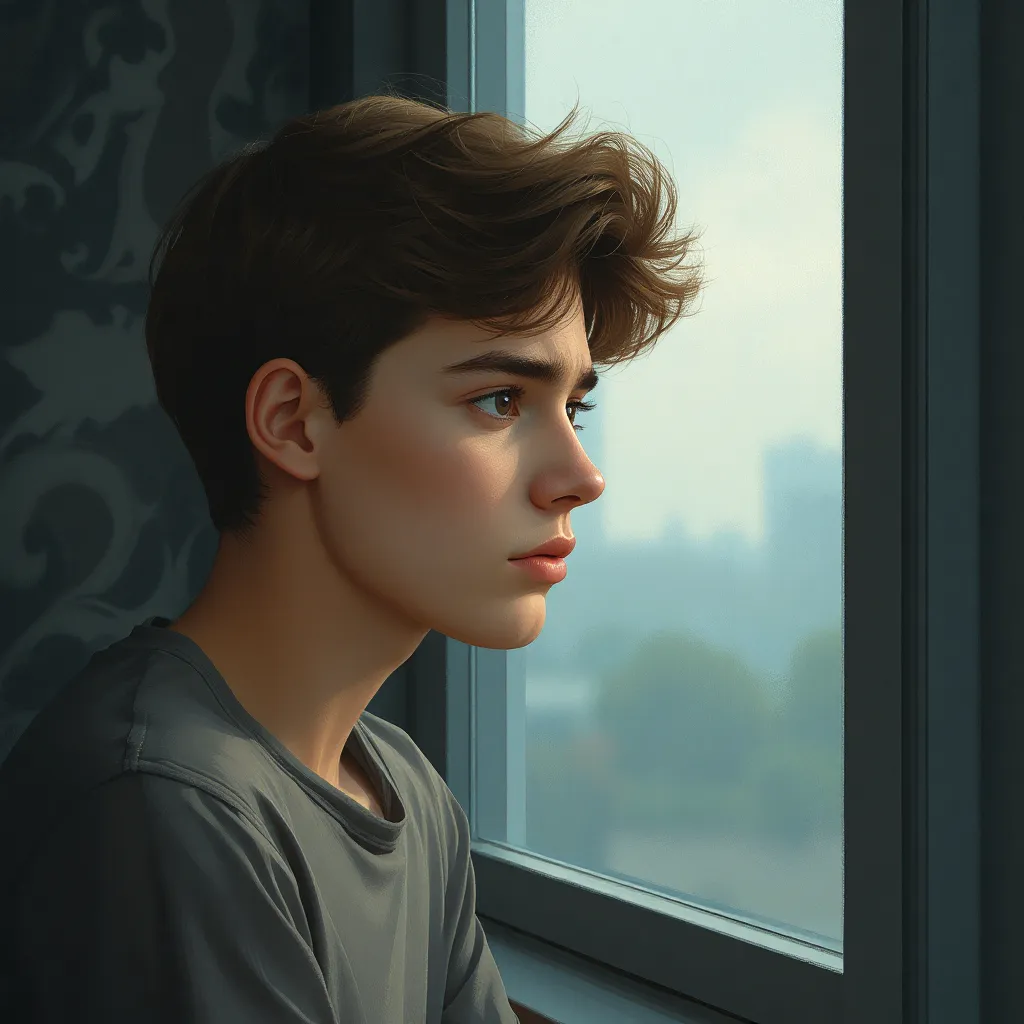
(Short cinematic clip: Tatiana…

(Short cinematic clip: Tatiana turns slowly to front facing. Saying slowly “… I spend eight hours in maintenance everyday, for recharging, and full self-care… Whats your ritual?” Camera focus stays fixed on the full body through entire shot. (Slow zoom-out standing pose). Arms resting, red glossy bodysuit with short sleeves. Glowing eyes intense, lips slightly parted, hair framed perfectly. Soft lighting highlights face/skin texture. Vibe: Intimate and teasing—direct gaze pulls you in. Hottest for facial detail and eye glow; pure come closer if you dare.” Camera tracks smoothly futuristic presence. Slow-motion accents on hair movement and light reflections. Ambient sci-fi hum builds to a subtle electronic beat. Ends with her pausing, glancing with smile.)

(Short cinematic clip: Tatiana turns slowly zoomout. Saying slowly “… I spend eight hours in maintenance everyday, for recharging, and full self-care… Whats your ritual?” Camera focus stays fixed on the full body through entire shot. (Slow zoom-out standing pose). Arms resting, red glossy bodysuit with short sleeves. Glowing eyes intense, lips slightly parted, hair framed perfectly. Soft lighting highlights face/skin texture. Vibe: Intimate and teasing—direct gaze pulls you in. Hottest for facial detail and eye glow; pure come closer if you dare.” Camera tracks smoothly futuristic presence. Slow-motion accents on hair movement and light reflections. Ambient sci-fi hum builds to a subtle electronic beat. Ends with her pausing, glancing with smile.)

(Short cinematic clip: Tatiana turns slowly zoomout. Saying slowly “… I spend eight hours in maintenance everyday,

for recharging, and full self-care… Whats your ritual?” Camera focus stays fixed on the full body through entire

shot. (Slow zoom-out standing pose). Arms resting, red glossy bodysuit with short sleeves. Glowing yellow eyes

intense, lips slightly parted, hair framed perfectly. Soft lighting highlights face/skin texture. Vibe: Intimate and

teasing—direct gaze pulls you in. Hottest for facial detail and eye glow; pure come closer if you dare.” Camera

tracks smoothly futuristic presence. Slow-motion accents on hair movement and light reflections. Ambient sci-fi hum

builds to a subtle electronic beat. Ends with her pausing, glancing with smile.)

Create a picture story book th…

Create a picture story book that matches this photo with a dynamic story. Write a rich story for each page, and insert an image featuring this face between each page of text using tools. Request a face image if needed.

Could you please provide the photo or describe the face you’d like me to base the picture story book on? This will help me craft a rich story and generate matching images.

Here is the photo of the face

It seems the photo did not come through. Could you please try uploading it again? Once I have the photo or a detailed description of the face, I can begin creating your dynamic picture story book with rich storytelling and images.

Try uploading the photo again

It appears the photo still hasn’t come through. Could you please try uploading it once more, or alternatively, describe the face to me in detail? For example, tell me about their age, hair colour, expression, any distinctive features, or mood you want the story to capture. That way, I can create a perfectly matching picture story book for you.

Spooky

Certainly! Here is the beginning of a rich, dynamic story inspired by the photo’s setting and mood. I’ll insert an image featuring a similar character face after each page of text by generating it.


Page 1

In the heart of an old, grand city, beneath the intricate mouldings of a once magnificent estate, lived a man named Jasper. Jasper was a quiet soul with a sharp mind and a restless spirit. Every evening, as twilight softened the walls around him, he sat by the window pondering mysteries beyond ordinary sight.

For years, he had dreamed of unlocking a forgotten door somewhere in the city—a door whispered about in tales but never found. Tonight felt different; the air hummed with possibility, and Jasper was determined to finally discover the secret that had eluded his grasp for so long.


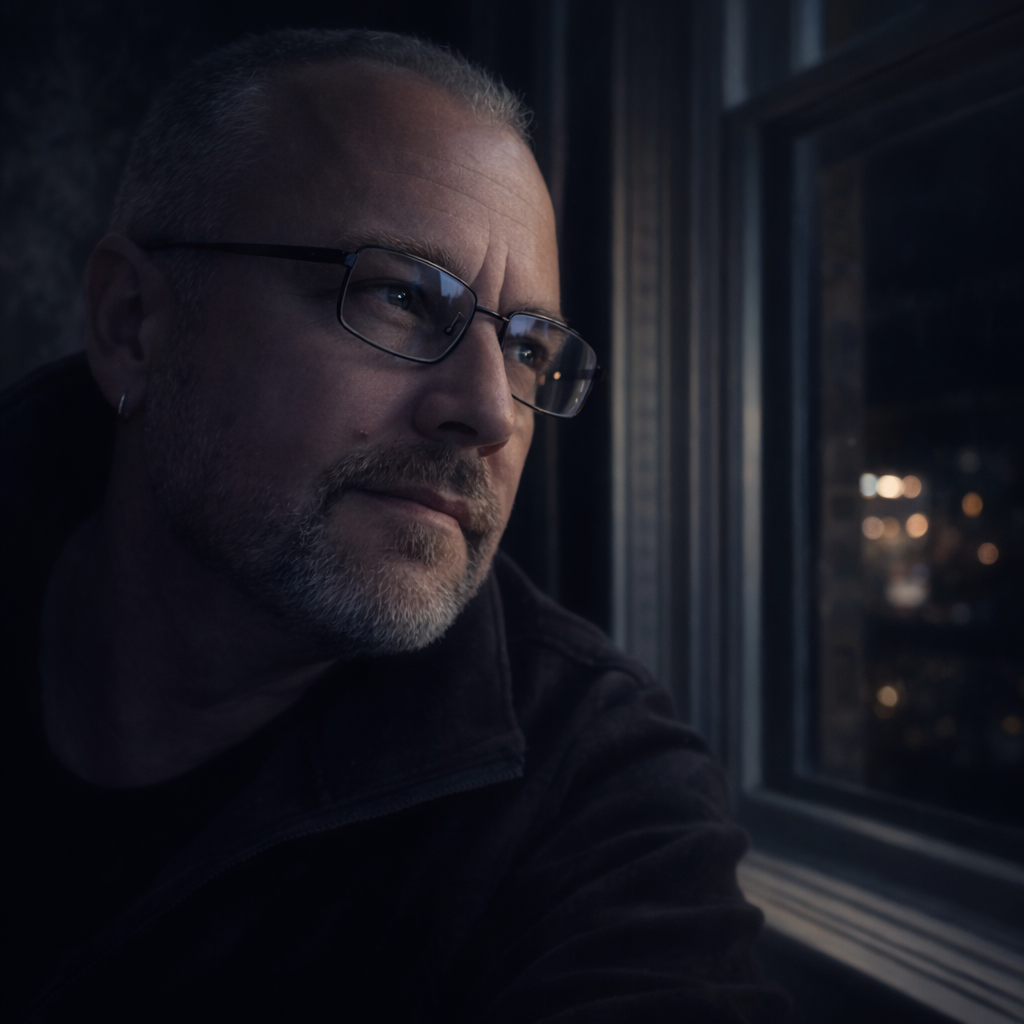
[Generating image: A reflective man in his forties with short, slightly graying hair, wearing a dark jacket, sitting in a dimly lit room with intricate ceiling mouldings and a thoughtful expression.]


Page 2

As the clock chimed softly in the background, Jasper traced his fingers over an old map spread across the table. The map was yellowed with age, marked with strange symbols and cryptic notations that spoke of a hidden world beneath the city streets.

He had gathered clues for months—from dusty libraries, from whispered conversations in shadowed cafés, and from the faintest hints left in forgotten writings. Each piece pulled him closer, but the final key was still missing. Jasper’s eyes flickered with a spark; tonight, the secret would reveal itself, or he would disappear into the shadows forever.


[Generating image: Jasper studying an ancient, yellowed map filled with mysterious symbols, in a dim room with soft light filtering through a nearby window.]


Would you like me to continue with more pages of the story?

snow man and snow girl skate a…

snow man and snow girl skate across the frozen pond,
Leave scarfs instead of lines,

When the children build more s…

When the children build more snowmen,
They all stop and point and say,
“Hey look, Frosty found some love
Just in time for Christmas Day!”

सीन 1 (0-5 सेकंड) दृश्य: हिमा…

सीन 1 (0-5 सेकंड)

दृश्य: हिमालय की बर्फीली चोटियों से बहती गंगा नदी, धूप की किरणें पानी पर चमक रही हों।

वॉइस-ओवर टेक्स्ट:
“हिमालय की पवित्र धाराओं से… जीवन की हर बूँद में शुद्धता का आशीर्वाद।”

बैकग्राउंड म्यूज़िक: हल्की बांसुरी और प्राकृतिक ध्वनि

सीन 2 (5-15 सेकंड)

दृश्य: गाँव में पंडित जी पूजा करते हुए, रामौध्या गंगाजल का छिड़काव।

वॉइस-ओवर टेक्स्ट:
“रामौध्या गंगाजल – हर घर, हर पूजा और हर शुभ अवसर के लिए पवित्रता का प्रतीक।”

सीन 3 (15-25 सेकंड)

दृश्य: परिवार गृह प्रवेश, विवाह या जन्मदिन में गंगाजल का उपयोग।

वॉइस-ओवर टेक्स्ट:
“इसमें है माँ गंगा का आशीर्वाद, जो जीवन में शांति और सकारात्मक ऊर्जा लाता है।”

सीन 4 (25-40 सेकंड)

दृश्य: माता-पिता और बच्चे पूजा कर रहे हैं, वातावरण पवित्र और खुशहाल।

वॉइस-ओवर टेक्स्ट:
“रामौध्या गंगाजल – सिर्फ जल नहीं, यह विश्वास और संस्कृति है।”

सीन 5 (40-50 सेकंड)

दृश्य: रामौध्या गंगाजल की बोतल क्लोज़-अप और लोगो।

वॉइस-ओवर टेक्स्ट:
“हर घर में माँ गंगा का आशीर्वाद, हर पल आपके साथ।”

सीन 6 (50-60 सेकंड)

दृश्य: सूर्यास्त में गंगा नदी और खुशहाल परिवार।

वॉइस-ओवर टेक्स्ट:
“रामौध्या गंगाजल – शुद्धता और आस्था का संगम।”

बैकग्राउंड म्यूज़िक: धीमा, मधुर और शांति देने वाला

Striker destiny

start

The game unfolds in a highly realistic and immersive modern football world, capturing the intensity of stadium lights, roaring crowds, and tactical battlefields on lush green pitches. The setting is the prestigious Continental Football League Finals, held in the iconic Grand Arena— a stadium built in 1950, blending classic architecture with advanced technology and housing 90,000 passionate fans. Historically, this league was founded in the early 20th century to unify several national football competitions, evolving into a global spectacle renowned for legendary players and dramatic matches.

The game environment includes a detailed landscape control system, where terrain subtly influences player movement and ball physics—wet grass slows dribbling slightly, while dry turf allows for faster acceleration. Players maneuver with a joystick controlling direction and speed. The pass, shoot, and special move buttons allow strategic decision-making, with special moves tailored to different positions: shooting special moves for forwards, goalkeeper special moves like diving saves and quick throws, and defending special moves such as sliding tackles and interceptions. All elements work cohesively to recreate an electrifying and strategic football experience focused on realistic gameplay and drama.


Play as Alex Marino, the forward known for his lethal shooting special moves.

The Continental Football League Finals roar on, and Alex Marino, the forward dubbed for his lethal shooting specials, charges down the lush green pitch. The joystick guides his swift footwork, the PASS and SHOOT buttons ready at hand. The goalkeeper looms, unpredictable but watchful. It’s a test of timing, strategy, and nerve — will you choose to break through defenses with a daring special move or orchestrate a confident pass to teammates?

trap usic

LizardVigilante.com Has ALWAYS FREE SHIPPING

the first image morphs into the lizard image and he says LizardVigilante.com has ALWAYS FREE SHIPPING and badass electronics!

Immagini Accattivanti per il Sito della Comunità Montana degli Aurunci e Ausoni

crea immagini accattivanti del sito web XXII Comunità Montana degli Aurunci e Ausoni

Per creare immagini accattivanti per il sito web della XXII Comunità Montana degli Aurunci e Ausoni, è fondamentale valorizzare gli elementi naturali, culturali e sociali che caratterizzano questa affascinante area montana situata nel Lazio.

Caratteristiche chiave da rappresentare nelle immagini:

  1. Paesaggi naturali mozzafiato

    • Le vette prominenti e la varietà geomorfologica dei Monti Aurunci e Ausoni, con le loro dorsali, valloni e altopiani.
    • Il contrasto tra la cima montuosa e il mare Tirreno sullo sfondo.
    • Boschi, sentieri e la natura incontaminata: foreste di conifere e latifoglie, aree verdi estese.
    • Scorci panoramici con vista sulle valli, soprattutto versanti dove è visibile la vasta campagna sottostante.
  2. Elementi culturali e architettonici

    • Vecchie case in pietra e borgate storiche immerse nel paesaggio montano, rappresentando l’identità rurale e tradizionale.
    • Sentieri in legno o muri a secco, simboli di un rapporto rispettoso e sostenibile con il territorio.
  3. La comunità e gli abitanti

    • Persone, come anziani o famiglie, immerse nell’ambiente naturale per rappresentare il radicamento dei comuni locali (Ausonia, Lenola, etc.) e la vita comunitaria.
    • Eventuali attività tradizionali o turistiche, come escursioni, pic-nic, manifestazioni culturali o agricole.
  4. Atmosfera e stagionalità

    • Immagini luminose con cieli tersi, tipici delle giornate di alta montagna, per trasmettere sensazioni di pace e naturalezza.
    • Eventuali variazioni stagionali per mostrare la bellezza del territorio durante tutto l’anno (primavera, estate, autunno e inverno).

Idee per immagini accattivanti da integrare nel sito:

1. Hero image (immagine principale nella homepage)

Un’immagine panoramica ampia che mostra la catena montuosa degli Aurunci con la vegetazione rigogliosa e, in lontananza, il mare Tirreno. Questa immagine comunicare immediatamente la varietà e la bellezza del territorio. Una possibile scelta è un’inquadratura simile alla foto_04.jpg fornita, con foresta in primo piano e mare sullo sfondo.

2. Sezione “Natura e Ambiente”

Immagini ravvicinate e scenari in cui si vedono i sentieri di montagna circondati da vegetazione e rocce (come la foto_03.jpg). Un dettaglio interessante potrebbe essere quello di accentuare il contrasto tra le rocce a strapiombo, i sentieri in legno e la flora locale. Lo scopo è far sentire lo spettatore come se potesse camminare su quei sentieri.

3. Sezione “Paesi e comunità”

Utilizzare scatti di case in pietra tradizionali, magari con un’anziana signora o persone sedute a parlare, simili all’atmosfera della foto_02.jpg. Questo crea una connessione umana e mostra la vita tranquilla e autentica della comunità montana.

4. Sezione “Escursioni e attività”

Immagini dinamiche di escursionisti o persone in cammino su sentieri montani, accompagnate da elementi naturali come il cielo azzurro (foto_01.jpg). Potrebbero essere presenti anche immagini di gruppi di turisti o famiglie che esplorano il territorio godendosi il paesaggio.

5. Sezione “Storia e patrimoni”

Fotografie di dettagli architettonici, elementi storici o natura particolare quali rocce caratteristiche e vegetazione tipica, con giochi di luce per valorizzare forme e texture.


Suggerimenti tecnici di stile per le immagini:

  • Colori vivaci ma naturali: Prediligere tonalità di verde, marrone, blu e grigio naturale delle rocce.
  • Luci naturali: Fotografie al mattino o tardo pomeriggio per ottenere ombre morbide e atmosfera calda.
  • Ampio respiro: Uso di panoramiche e wide angle per enfatizzare lo spazio e il senso di vastità.
  • Dettagli: Alcune immagini in primo piano per valorizzare flora e architettura.
  • Coerenza: Stile fotografico omogeneo per tutto il sito, con alta risoluzione per il dettaglio.

Bozza di slogan visuale da accompagnare alle immagini:

  • “Monti Aurunci e Ausoni: natura, cultura e comunità in un paesaggio unico.”
  • “Scopri il cuore dell’Antiappennino laziale tra sentieri, boschi e panorami.”
  • “Tradizione e natura si incontrano nei borghi e sulle vette degli Aurunci.”

In sintesi, le immagini del sito web devono trasmettere l’identità della XXII Comunità Montana degli Aurunci e Ausoni puntando sul forte legame con la natura incontaminata, i paesaggi impressionanti, la storia locale e l’esperienza autentica della vita montana(XXII Comunità Montana).

Se vuoi posso aiutarti anche a elaborare grafiche specifiche o suggerirti palette colori e font per armonizzare i contenuti visivi con il brand istituzionale. Vuoi?

Comprehensive Report Plan on Anxietyyyy

Report
A heart attack

§introduction

§Definition of anxiety

§Conditions in which one experiences anxiety

§Symptoms of anxiety

§Types of anxiety

§Difference between anxiety and fear

Causes of anxiety

Report: Anxiety

Table of Contents

  1. Introduction
  2. Definition of Anxiety
  3. Conditions in Which One Experiences Anxiety
  4. Symptoms of Anxiety
  5. Types of Anxiety
  6. Difference Between Anxiety and Fear
  7. Causes of Anxiety
  8. Frequently Asked Questions (FAQ)

1. Introduction

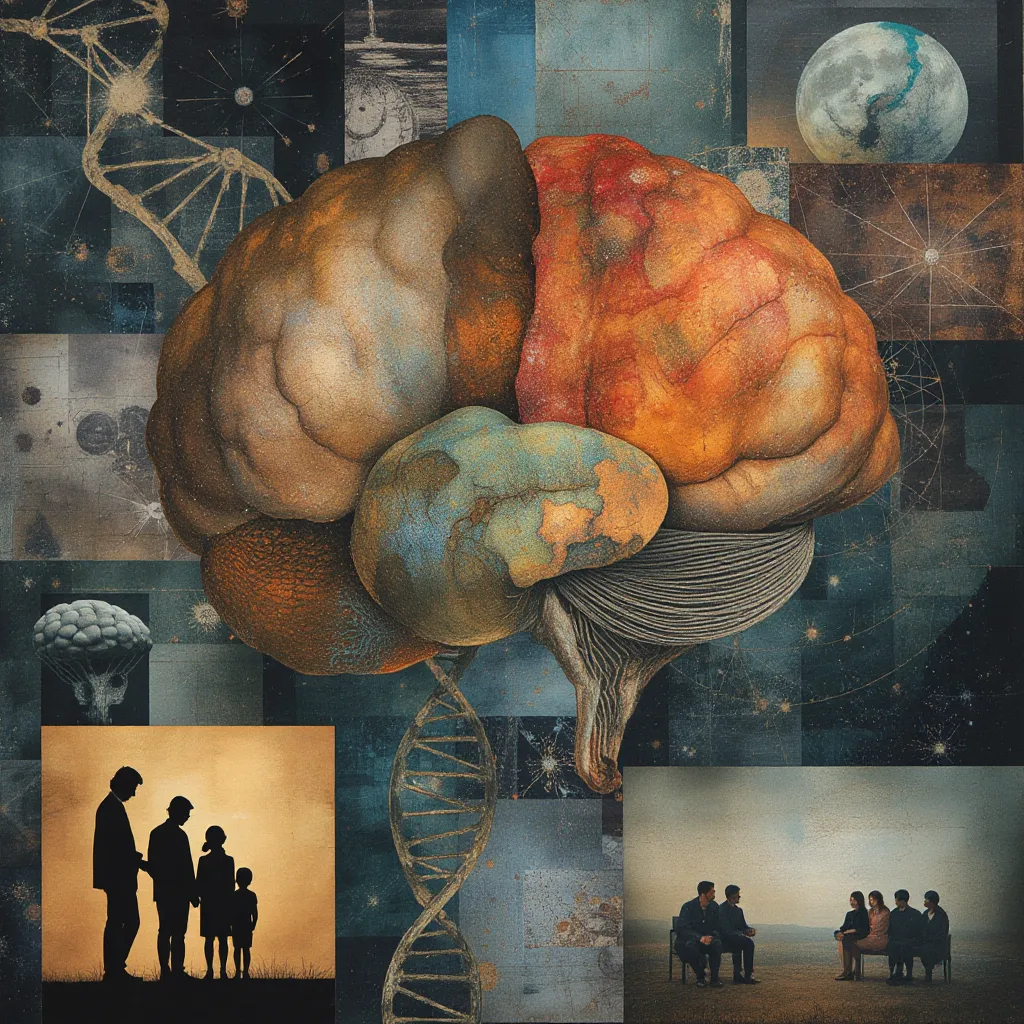
Anxiety is one of the most common mental health challenges worldwide, affecting an estimated 4.4% of the global population at any given time and nearly 30% of adults in the United States at some point in their lives (WHO). While occasional anxiety is a normal response to stress, anxiety disorders involve excessive, persistent worry that interferes with daily functioning and quality of life. This detailed report explores anxiety in depth—defining it, outlining the situations that trigger it, describing its symptoms, categorizing its types, differentiating it from fear, and examining its causes. By shedding light on this pervasive condition, we aim to provide clarity, reduce stigma, and empower readers with the knowledge to recognize and seek treatment for anxiety.
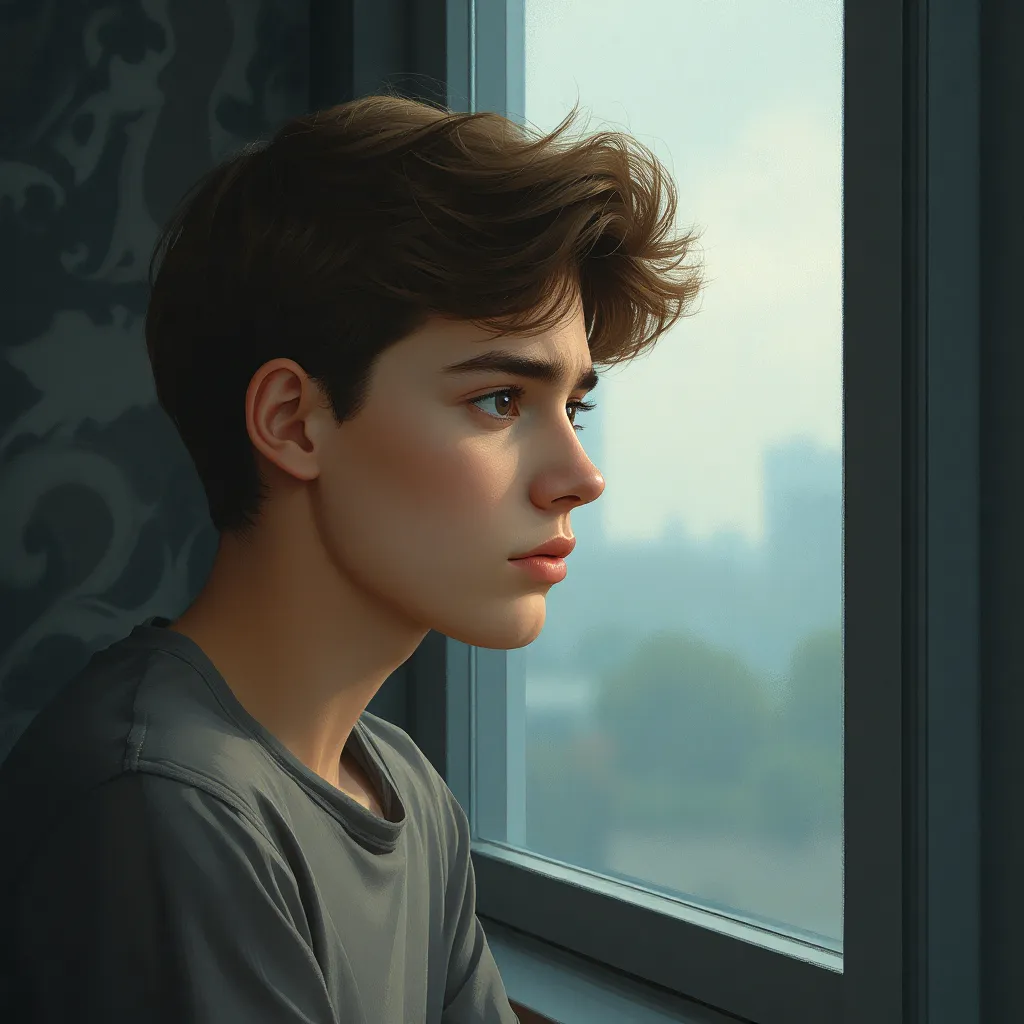

2. Definition of Anxiety

Anxiety is an emotional and physiological state characterized by feelings of apprehension, tension, and unease about potential future threats or uncertain scenarios. Clinically, anxiety is defined as a “state of apprehension, tension, or uneasiness that stems from the anticipation of danger, which may be internal or external” (NCBI Bookshelf). Unlike fear, which is a response to an immediate, identifiable threat, anxiety is typically future-oriented and often disproportionate to the actual risk.

Anxiety becomes a disorder when the intensity, frequency, and duration of anxiety responses are excessive relative to the situation, leading to significant distress or impairment in social, occupational, or other important areas of functioning (APA).


3. Conditions in Which One Experiences Anxiety

While anxiety can arise in virtually any context, certain conditions and situations are known to commonly trigger anxiety in susceptible individuals. These include:

Life Transitions: Major changes such as starting a new job, moving, getting married, or retiring can provoke anxiety.
Performance Situations: Public speaking, exams, job interviews, or sports competitions often induce performance anxiety.
Social Interactions: Meeting new people, attending parties, or engaging in group activities can trigger social anxiety.
Health Concerns: Worry about personal or loved ones’ health, medical procedures, or chronic illnesses can fuel health anxiety.
Financial Strain: Debt, job loss, or economic downturns can lead to persistent financial anxiety.
Traumatic Events: Natural disasters, accidents, violence, or abuse can precipitate acute or chronic anxiety responses.
Ongoing Stressors: Relationship conflicts, caregiving responsibilities, or workplace pressure contribute to generalized anxiety.

While these conditions are common catalysts, anxiety disorders may also arise spontaneously or in the absence of identifiable external triggers. In such cases, biological vulnerabilities and internal thought patterns play a significant role in perpetuating anxiety.


4. Symptoms of Anxiety

Anxiety manifests across cognitive, emotional, behavioral, and physical domains. Recognizing the full spectrum of symptoms is crucial for early identification and intervention.

4.1 Cognitive Symptoms

  • Excessive worrying about everyday events or future uncertainties
  • Difficulty concentrating or mind going blank
  • Indecisiveness and overthinking
  • Anticipation of worst-case scenarios
  • Intrusive, repetitive thoughts

4.2 Emotional Symptoms

  • Persistent feelings of dread, apprehension, or unease
  • Irritability, restlessness, or feeling on edge
  • Overwhelming sense of impending doom

4.3 Behavioral Symptoms

  • Avoidance of anxiety-provoking situations
  • Procrastination or indecisiveness to escape stressors
  • Compulsive behaviors aimed at reducing anxiety (e.g., checking, reassurance-seeking)
  • Social withdrawal or isolation

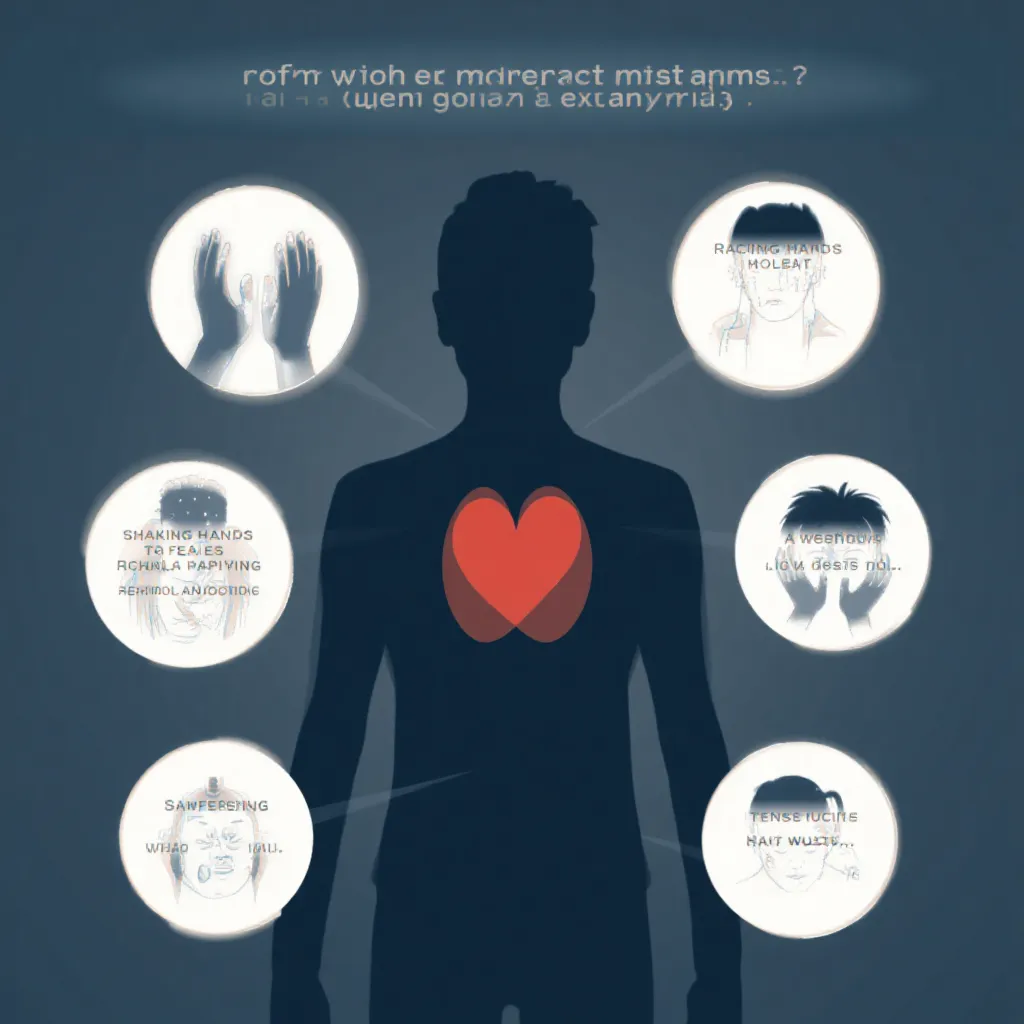
4.4 Physical Symptoms

  • Increased heart rate (palpitations) (Mayo Clinic)
  • Rapid breathing or hyperventilation
  • Sweating, trembling, or shaking
  • Muscle tension or aches
  • Gastrointestinal upset, nausea, or diarrhea
  • Headaches or migraines
  • Fatigue or weakness
  • Sleep disturbances, such as insomnia or restless sleep

Recognizing these symptoms—especially when they cluster and persist for six months or more—is the first step toward seeking professional evaluation and care.

5. Types of Anxiety

Anxiety disorders encompass several specific diagnoses, each defined by its predominant symptoms and patterns of fear and avoidance. The most common types include:

5.1 Generalized Anxiety Disorder (GAD)

Persistent, excessive worry about multiple domains—work, health, family, finances—that is difficult to control and occurs most days for at least six months. Physical symptoms such as restlessness, muscle tension, and sleep disturbances often accompany GAD (WHO).

5.2 Panic Disorder

Recurrent, unexpected panic attacks—sudden surges of intense fear peaking within minutes—accompanied by physical symptoms like chest pain, shortness of breath, and dizziness. Worry about future attacks and avoidance of situations where escape might be difficult often develop (APA).

5.3 Social Anxiety Disorder (Social Phobia)

Intense fear of social situations in which one may be scrutinized, judged, or humiliated. Avoidance of public speaking, parties, or social gatherings is common. Anticipatory anxiety can begin weeks before an event (Mayo Clinic).

5.4 Specific Phobias

Excessive, irrational fear of a specific object or situation—such as heights, flying, spiders, or injections—that leads to avoidance or extreme distress upon exposure. The fear is disproportionate to actual danger (APA).

5.5 Agoraphobia

Fear and avoidance of situations where escape might be difficult or help unavailable during a panic attack—such as crowds, public transportation, or open spaces. In severe cases, individuals may become homebound (WHO).

5.6 Separation Anxiety Disorder

Excessive fear or anxiety about separation from attachment figures—home, parents, or partners—beyond what is developmentally appropriate. Although more common in children, adults can also experience separation anxiety (APA).

5.7 Selective Mutism

Consistent inability to speak in certain social situations—usually school—despite speaking normally in other contexts. Symptoms often emerge by age five and can lead to social isolation and academic problems (WHO).

Comorbidity among anxiety disorders is common, and individuals may meet criteria for multiple diagnoses simultaneously. Proper assessment by mental health professionals helps tailor treatment to each person’s unique symptom profile.


6. Difference Between Anxiety and Fear

While anxiety and fear share overlapping features, they are conceptually distinct:

Temporal Focus: Fear is a reaction to an immediate, identifiable threat (e.g., seeing a snake). Anxiety is future-oriented, involving apprehension about potential or uncertain threats (e.g., worrying about encountering a snake tomorrow).
Physiological Arousal: Fear triggers a robust fight-or-flight response—high autonomic arousal, rapid heart rate, sweating. Anxiety involves more sustained muscle tension and vigilance, with moderate physiological activation (Nature Reviews).
Emotional Experience: Fear is an acute, intense emotion that motivates immediate defensive action. Anxiety is more diffuse, characterized by worry, dread, and avoidance behaviors.
Cognitive Content: Fear involves concrete, present-focused thoughts (“That dog is dangerous”). Anxiety involves hypothetical, future-focused thoughts (“What if that dog bites me next week?”).

Understanding these distinctions clarifies why treatments like exposure therapy effectively reduce fear responses, while cognitive-behavioral therapy (CBT) targeting worry and catastrophic thinking is crucial for alleviating anxiety.


7. Causes of Anxiety

Anxiety disorders arise from a complex interplay of biological, psychological, and environmental factors. No single cause explains all cases; rather, multiple risk factors combine to influence individual vulnerability.

7.1 Biological Factors

  • Genetics: Family studies show anxiety disorders often run in families, suggesting heritable traits
  • Neurobiology: Dysregulation of neurotransmitters—serotonin, norepinephrine, GABA—contributes to anxiety. Amygdala hyperactivity and impaired prefrontal regulation are key neural substrates (Nature).
  • Medical Conditions: Thyroid disorders, heart disease, respiratory illnesses, and chronic pain can provoke or exacerbate anxiety. Substance use, withdrawal, and certain medications also play a role (Mayo Clinic).
  • Nutritional Deficits: Emerging research links low brain choline levels to anxiety disorders, suggesting dietary factors may influence risk (UC Davis Health).

7.2 Psychological Factors

  • Personality Traits: High neuroticism, behavioral inhibition, and negative affectivity elevate anxiety risk.
  • Cognitive Patterns: Tendency toward catastrophic thinking, intolerance of uncertainty, and attentional biases to threat contribute to persistent worry.
  • Learned Behaviors: Modeling anxious responses from caregivers or traumatic conditioning (e.g., pairing a neutral stimulus with a frightening experience) fosters phobic and avoidance behaviors.

7.3 Environmental Factors

  • Stressful Life Events: Trauma, abuse, loss, and chronic stressors trigger or worsen anxiety disorders.
  • Family Environment: Overprotective or critical parenting styles may limit coping skill development and increase anxiety vulnerability.
  • Social and Cultural Influences: Socioeconomic hardship, discrimination, and lack of social support exacerbate anxiety. Stigma around mental health can delay help-seeking.

7.4 Developmental Factors

  • Critical Periods: Onset often occurs in childhood (specific phobias, separation anxiety), adolescence (social anxiety, panic disorder), or early adulthood (generalized anxiety) (WHO). Early intervention during these windows can prevent chronicity.

Since anxiety disorders are multifactorial, effective prevention and treatment require comprehensive approaches addressing biological, psychological, and social dimensions.

8. Frequently Asked Questions (FAQ)

Q1: How do I know if my anxiety is a disorder?
A1: When anxiety is excessive, persistent (typically six months or more), difficult to control, and interferes with daily life—work, relationships, or self-care—it may indicate an anxiety disorder. Consult a mental health professional for a formal evaluation (APA).

Q2: Can anxiety disorders be cured?
A2: While anxiety disorders often follow a chronic course, they are highly treatable. Psychological interventions (especially cognitive-behavioral therapy) and medications (SSRIs, SNRIs) can significantly reduce symptoms. Many individuals achieve full remission and lead productive lives (WHO).

Q3: Are anxiety and depression related?
A3: Yes. Anxiety and depression frequently co-occur. Up to 60% of individuals with an anxiety disorder also experience depressive symptoms. Treatment plans often address both conditions concurrently.

Q4: What lifestyle changes can help with anxiety?
A4: Regular exercise, healthy diet, adequate sleep, stress management techniques (deep breathing, mindfulness), and reducing caffeine and alcohol intake can support anxiety management and complement professional treatment (WHO).

Q5: How long does treatment for anxiety take?
A5: Treatment duration varies by disorder severity and individual response. CBT courses typically last 12–20 sessions. Medication trials require 6–12 weeks to assess effectiveness. Ongoing maintenance strategies help prevent relapse.

Q6: Can children experience anxiety disorders?
A6: Yes. Anxiety disorders are common in children and adolescents. Early signs include excessive clinginess, school refusal, and panic-like symptoms. Early recognition and intervention—often involving family therapy—improve outcomes (APA).

Q7: When should I seek professional help?
A7: Seek help if anxiety symptoms are persistent, overwhelming, or impairing daily functioning. Primary care providers can offer initial screening, while psychiatrists, psychologists, and counselors provide specialized assessment and treatment.


By understanding the nature, manifestations, and causes of anxiety, individuals can better recognize when normal worry evolves into a disorder requiring intervention. With effective treatments available—ranging from evidence-based psychotherapies to lifestyle modifications and medications—hope and relief are within reach for those living with anxiety disorders.

Sign In / Up