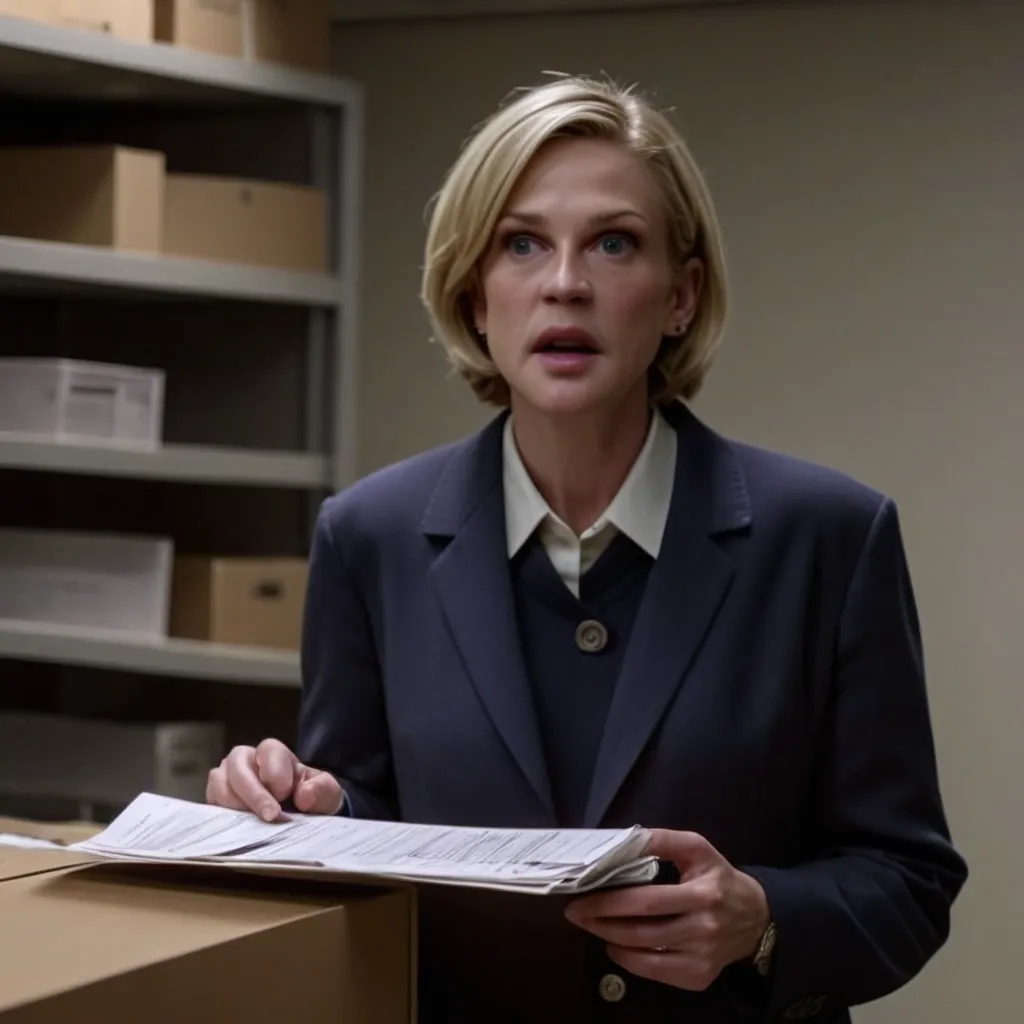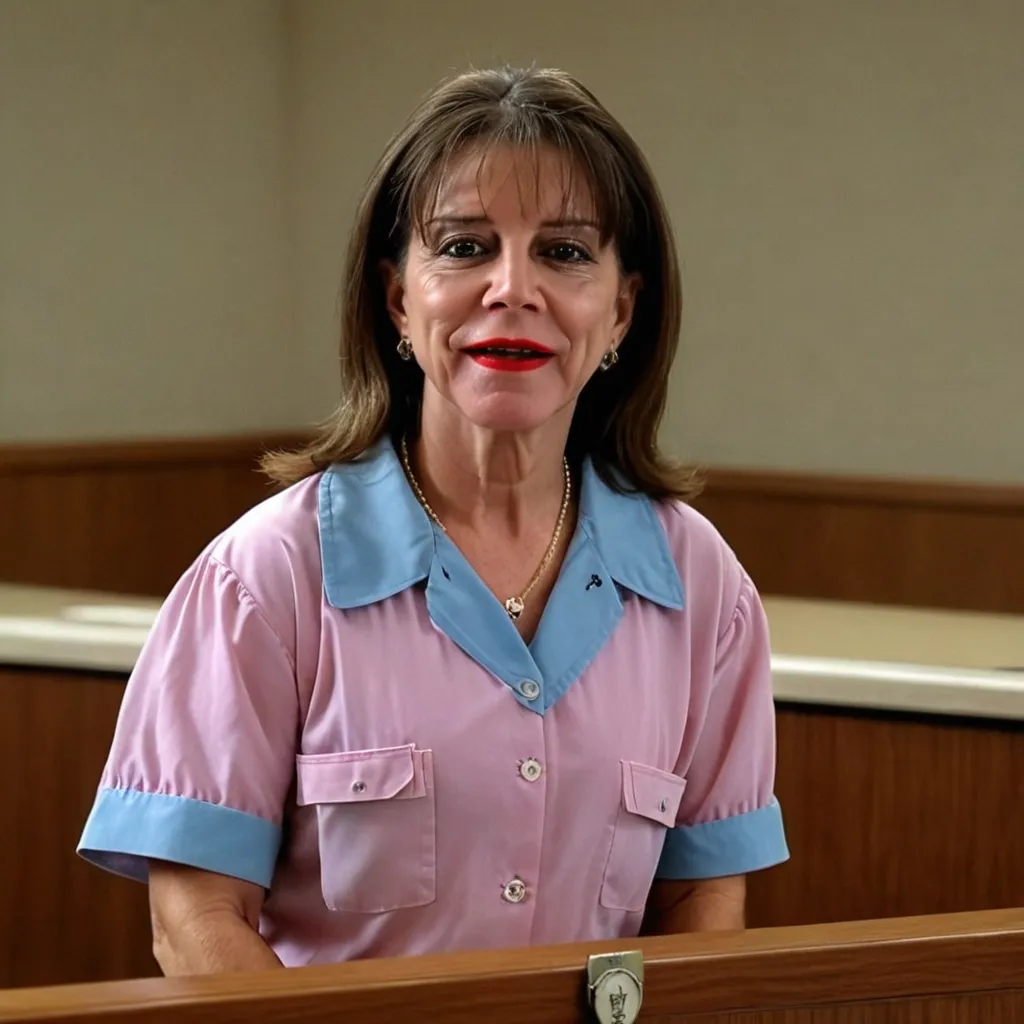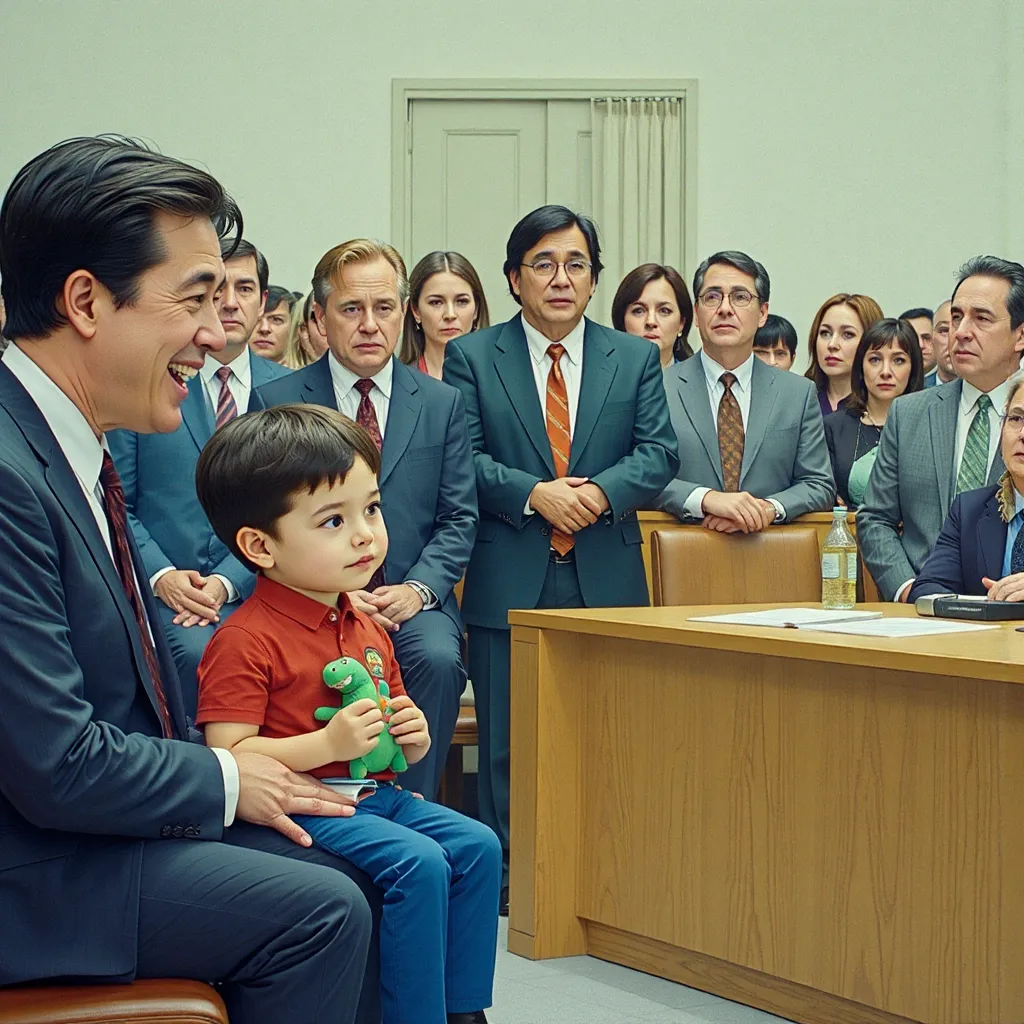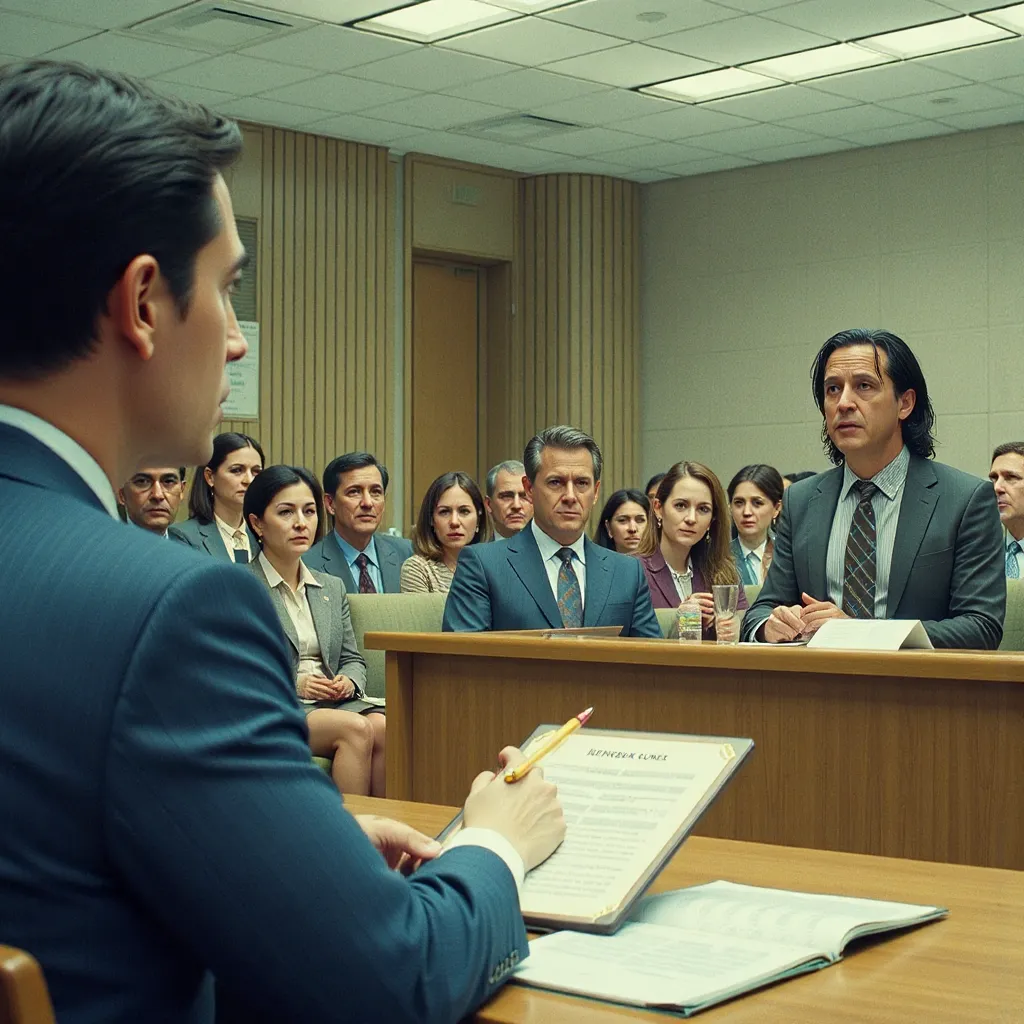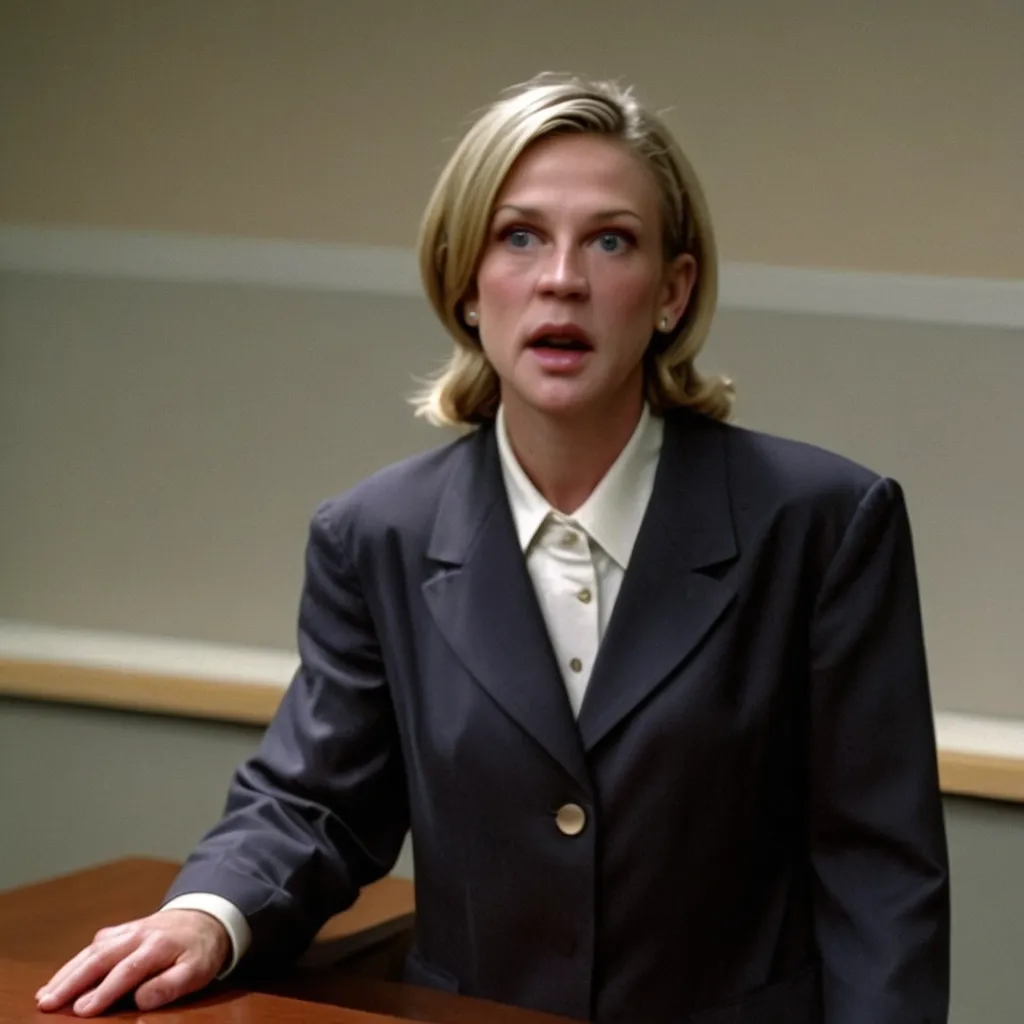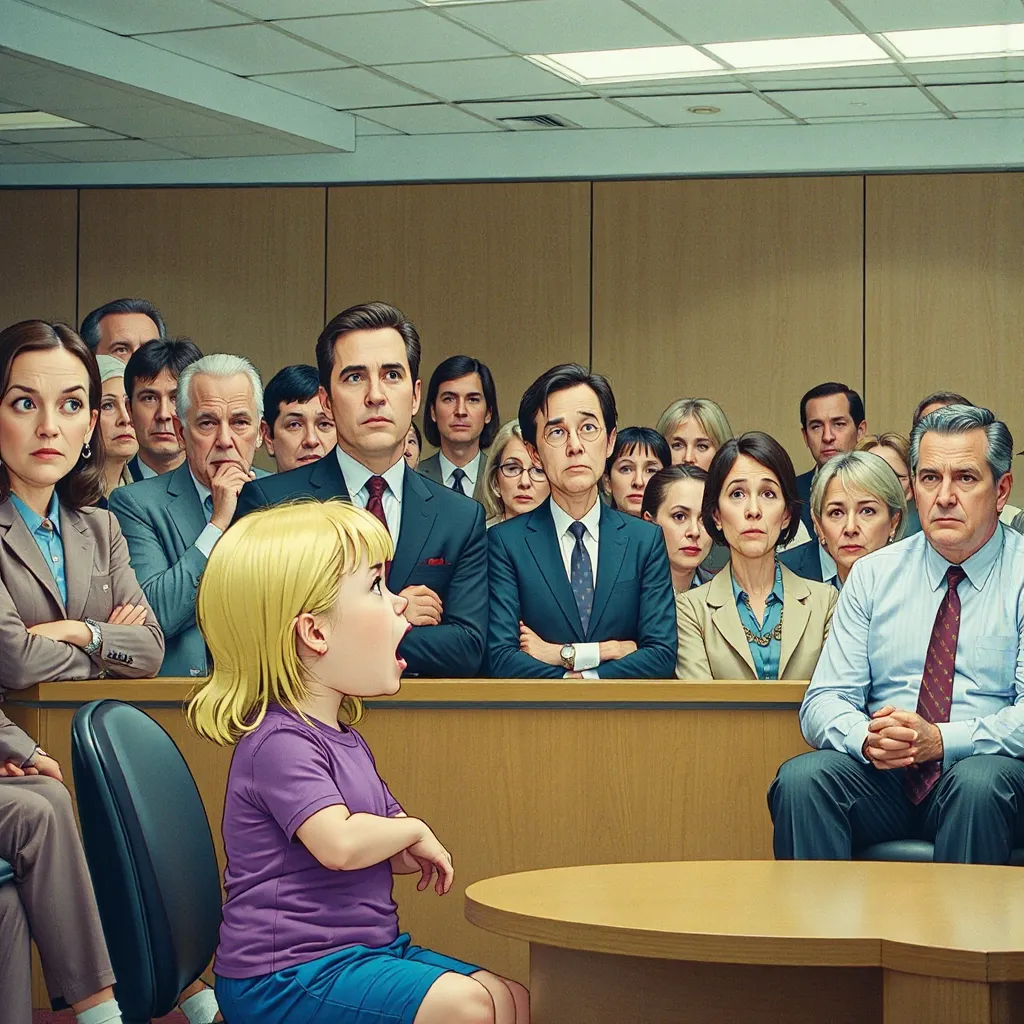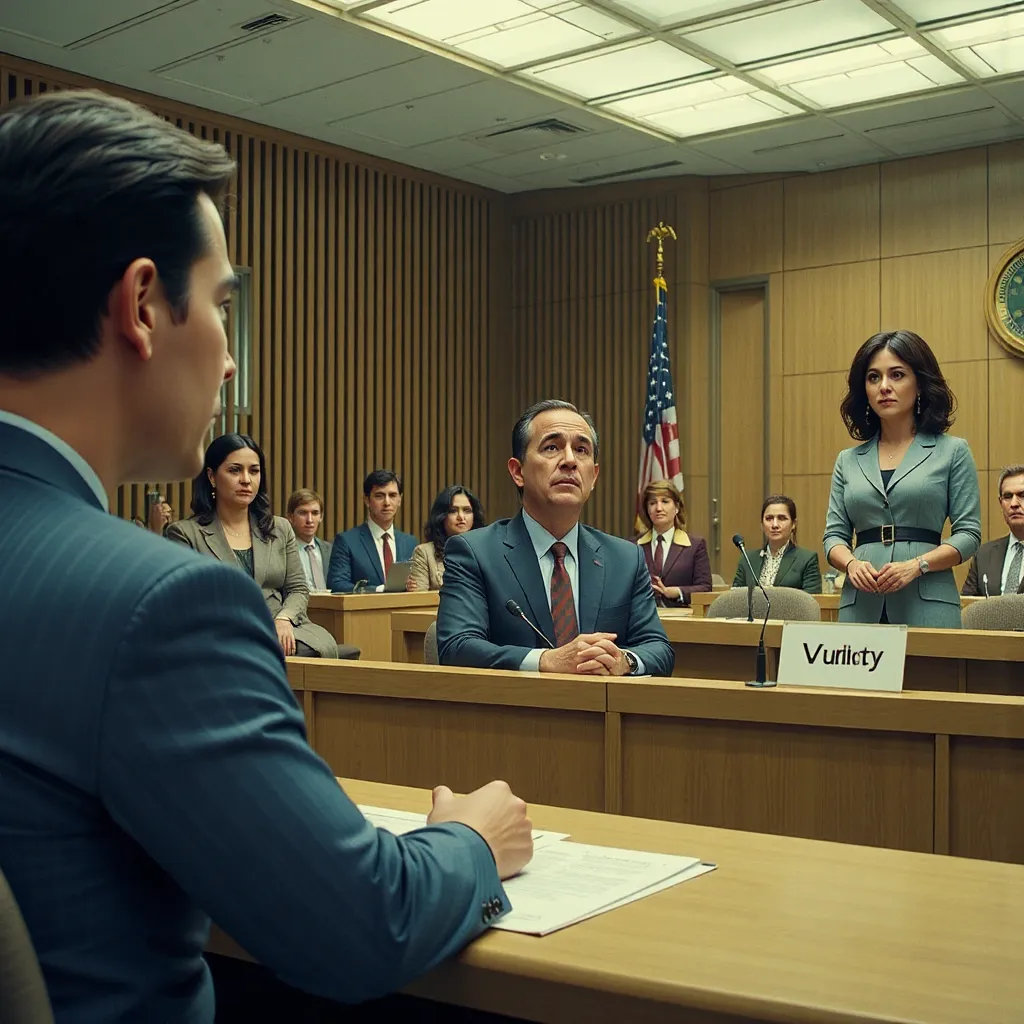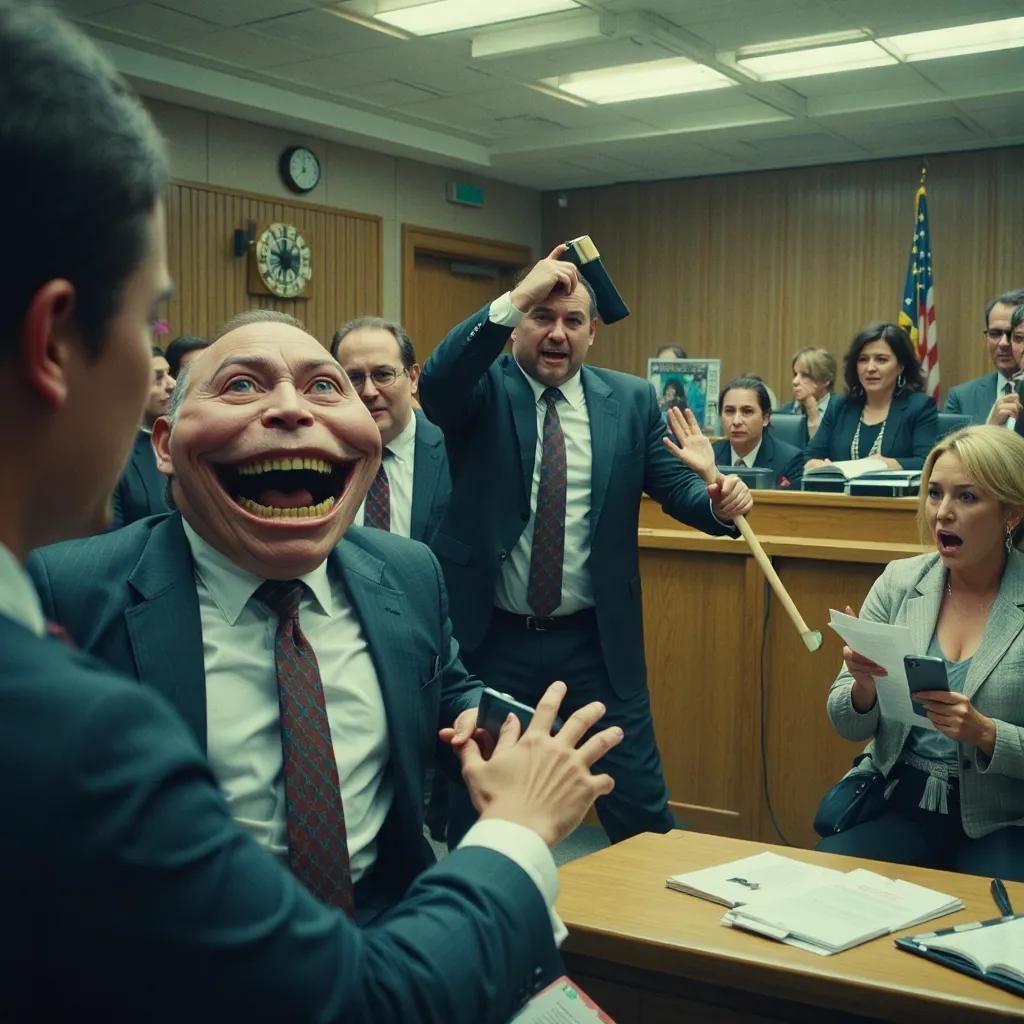
A los island survival

A los island survival

Background Description of the Setting

The lush, uncharted jungles of Central America provide the backdrop for Lara’s adventurous quest in search of the lost city. This area is rich in history, once home to ancient Mayan civilization flourishing between 250 to 900 AD. The towering temples, intricate carvings, and vibrant murals of these ruins speak to a refined culture that valued astronomy, mathematics, and architecture.

Modern explorations have uncovered remnants of their civilization hidden beneath the thick foliage, revealing a world of sacrifice, ritual, and astronomical knowledge that guides us today. Nature has since reclaimed its domains, with dense vegetation covering the stone structures, creating both a haven and a maze for those brave enough to enter. As Lara ventures deeper, she will encounter a world where history feels alive, echoing with the whispers of a forgotten past.

Images of Historical Context


Character Choices

As Lara prepares for her expedition, she must make crucial choices that will impact her journey.


For immersive background ambiance during this adventure, here’s an appropriate sound effect:

Summary and Choices

In this round, the jungle’s setting and historical significance were outlined, with engaging images of Lara’s adventure in the heart of the jungle. Key choices reflecting the journey were offered for the user to select from.

Set up camp for the night and study her map under the stars.

Under the Stars

As darkness envelops the jungle, Lara sets up a small camp beneath the canopy, surrounded by the elusive sounds of the jungle. The air is thick with the scent of damp earth and foliage. She spreads her weathered map across a flat rock, illuminated by the moonlight filtering through the leaves. Suddenly, noises in the bushes make her heart race—could it be a predator or just the jungle’s night life? With her instincts sharpened, she considers her options for safety and knowledge.

What should Lara do next?

TrendlyneEarningCall_YT_Video_prompt

Add Youtube Video title and URL here >> V-Mart Retail Earnings Call for Q3FY25 – https://www.youtube.com/watch?v=OXN-aKYxhz4

Enhanced Prompt for Earnings Call Analysis
(Target: Alpha Generation for Serious Investors)

You are a seasoned equity analyst tasked with dissecting the earnings call transcript of [Company Name]. Focus on
uncovering material changes, underappreciated catalysts, and risks that could impact future valuations. Organize
findings into the following framework:


1. Key Changes vs. Prior Quarters

  • What’s New? Identify shifts in narrative, strategy, or priorities compared to the last 3 quarters. Highlight
    unexpected deviations (e.g., abrupt cost cuts, unplanned capex, revised growth drivers).

  • Macro/External Triggers:

    • How are interest rates, geopolitics, supply chains, or regulatory changes directly affecting guidance?

    • Quantify exposure (e.g., “10% revenue tied to Eurozone demand”).

  • Timeline Specificity: Flag management’s explicit deadlines (e.g., “Q4 margin recovery”) vs. vague promises (
    “long-term growth”).


2. Financial & Operational Deep Dive

  • Metrics That Matter:

    • Revenue/Pricing Power: Underlying drivers (volume vs. price). Customer retention/churn.

    • Margin Triggers: Input cost trends, labor inflation, logistics bottlenecks.

    • Cash Flow Health: Working capital pressures, FCF conversion, dividend/buyback runway.

  • Hidden Gaps: Compare GAAP vs. non-GAAP adjustments. Are one-time items recurring?


3. Guidance Analysis & Management Credibility

  • Forecast Reliability:

    • Track record: Did prior guidance match results? Overly optimistic/pessimistic bias?

    • New assumptions: What external factors (e.g., commodity prices) underpin guidance?

  • Risk-Adjusted Outlook:

    • Best-case/worst-case scenarios implied by management.

    • Contingency plans for stated risks (e.g., hedging, inventory buffers).


4. Sentiment & Tone Analysis

  • Confidence Signals:

    • Certainty in language (e.g., “we will” vs. “we hope”).

    • Defensiveness in Q&A: Evasive answers, repeated jargon, or overemphasis on past wins.

  • Emotional Subtext:

    • CEO/CFO divergence in tone (e.g., bullish CEO vs. cautious CFO).

    • Analysts’ skepticism: Recurring unanswered questions.


5. Critical Q&A Insights

  • Analyst Focus:

    • Top 3 concerns raised (e.g., liquidity, competition, execution).

    • New topics not previously addressed.

  • Management Responsiveness:

    • Data-driven answers (specific metrics) vs. vague assurances.

    • Follow-ups required: What critical details remain unclear?


6. Alpha-Driven Insights Synthesis

  • Underappreciated Strengths/Weaknesses:

    • Metrics or initiatives the market is mispricing (e.g., hidden optionality in a division).

  • Catalysts/Risks Timeline:

    • Near-term (next 2 quarters): Product launches, regulatory decisions, debt maturities.

    • Medium-term (6–12 months): Capacity expansions, contract renewals.


Final Output Structure

Executive Summary: 3–5 bullet points highlighting material changes and investment thesis impacts.

Detailed Analysis:

  • Sections as above with concise, data-rich bullets (avoid fluff).

  • Use Bold for critical metrics, Italics for qualitative cues.

Generate Q&A Summary as below for each topic:

  • Topic – summary

    • Analyst Concern

    • Management Response

    • Confidence Score (1–5)

    • Follow-Up Needed

Generate Follow up Summary as below for each missing data point which would help serious investor to make better decisions:

  • Metric – summary

    • trend based on last 4 quarters

    • add Peer Avg for that metric over last 4 quarters

    • supporting comment for interpretation

Actionable Takeaways:

  • Buy/Sell Triggers: Events/data points to monitor.

  • Consensus Check: Where might Street estimates be too high/low?

Bad Kids #2

It was nice morning at The Pilgrim Academy In Egg Harbor City NJ, the school was a all girls school

The sun streamed through the tall windows of The Pilgrim Academy, casting a warm glow on the polished wooden floors. It was a crisp, beautiful morning in Egg Harbor City, New Jersey. The all-girls school was stirring to life, the air filled with the quiet murmur of students preparing for the day.

The students were walking down the halls and all was good

The polished floors of The Pilgrim Academy echoed softly as the students strolled down the hallways. Laughter and snippets of conversation filled the air, a gentle hum of youthful energy. All was well, a sense of calm and anticipation hanging in the air as they prepared for the day’s lessons and activities. Uniforms were crisp, hair neatly styled, and eyes bright with the promise of learning and friendship.

But out in front of a classroom, a 9 year black girl with pink braids was playing on her phone

However, the tranquil atmosphere was slightly disrupted in front of Mrs. Davison’s fourth-grade classroom. A young girl, about nine years old, with striking pink braids cascading down her back, was engrossed in her phone. She was a beautiful Black girl, her bright eyes usually full of energy, but now focused intently on the screen. The phone’s glow illuminated her face, a stark contrast to the otherwise studious environment.

A teacher’s aide who was a 55 year old black woman asks her the girl to put the phone away

The tranquil hum of the hallway was broken by a gentle, yet firm voice. “Ahem,” Mrs. Johnson, a teacher’s aide with kind eyes and a warm smile, approached the girl. Mrs. Johnson was a Black woman, her own graying hair pulled back in a neat bun, her face etched with the wisdom of 55 years. “Sweetheart,” she said, her voice soft but clear, “phones away, please. Class is about to start.”

The girl doesn’t listen, Mrs. Johnson asks her again to put it away or she would take it away and the girl would be sent to the principal’s office

The girl remained fixed on her phone, seemingly oblivious to Mrs. Johnson’s request. The aide sighed softly, a hint of steel entering her voice. “Honey,” Mrs. Johnson repeated, her tone now firmer but still gentle, “I need you to put the phone away, please. If you don’t, I’m going to have to take it, and you’ll be sent to Principal Thompson’s office. You don’t want that, do you?” She hoped the consequence would be enough to motivate the girl.

The girl doesn’t and Mrs. Johnson takes it away

The girl’s eyes widened slightly, but she still didn’t relinquish her grip on the phone. With a sigh, Mrs. Johnson gently but firmly pried the device from the girl’s hands. “I’m sorry, sweetie,” she said, holding the phone out of reach. “I didn’t want to do this, but you left me no choice. I’ll take this to Principal Thompson’s office, and your parents can pick it up later.”

The girl soon then gets angry and hauls off and punches the teacher in the face, the teacher falls to the floor and stops breathing

A gasp rippled through the hallway as the unthinkable happened. Fueled by anger, the young girl lashed out, her small fist connecting with Mrs. Johnson’s face with shocking force. The teacher’s aide stumbled backward, her eyes wide with disbelief before she crumpled to the floor. The air hung heavy with stunned silence, broken only by the sound of Mrs. Johnson’s body hitting the ground. Then, a horrifying realization: she wasn’t moving. She wasn’t breathing.

The principal runs out as does a officer from the EHC Police who arrests the girl and takes her to the station, the principal calls 911 on his cell phone

Panic erupted. Principal Thompson, a tall, imposing man with a usually calm demeanor, burst from his office, his face etched with horror. Simultaneously, Officer Davies, a familiar face from the Egg Harbor City Police Department who often visited the school, rushed from the opposite end of the hallway.

Officer Davies immediately assessed the situation, his training kicking in. He swiftly but gently apprehended the stunned girl, carefully handcuffing her and leading her away, his expression grim. “Someone call an ambulance!” he barked, his voice cutting through the chaos.

Principal Thompson, his hands shaking, fumbled for his cell phone and dialed 911, his voice tight with fear and urgency. “We need an ambulance at The Pilgrim Academy, immediately! A teacher is down, not breathing!”

The girl is taken to the station while the principal and a white 8 year old girl with shoulder length hair do CPR on Mrs. Johnson

The chaotic hallway transformed into a scene of desperate action. As sirens wailed in the distance, Principal Thompson, his face pale with fear, knelt beside Mrs. Johnson. He began chest compressions, his movements frantic but precise. To his surprise, a small hand touched his arm. It was Lily, an eight-year-old white girl with shoulder-length blonde hair, her eyes wide with a mixture of fear and determination. “I know CPR, Principal Thompson,” she said, her voice trembling but firm. “My mom’s a nurse.”

Together, they worked as a team, Principal Thompson continuing compressions while Lily carefully administered rescue breaths, her small hands cupping Mrs. Johnson’s face. Every second felt like an eternity as they fought to bring her back, their hope flickering like a fragile candle in the face of despair.

Soon medics from On Time Ambulance in the area arrive

The piercing wail of sirens grew louder, finally culminating in the screech of brakes as an ambulance from On Time Ambulance screeched to a halt outside The Pilgrim Academy. Paramedics, clad in blue uniforms, burst through the doors, their faces grim and focused. They quickly assessed the situation, their movements swift and efficient as they took over from Principal Thompson and Lily, attaching monitors and preparing to administer life-saving measures. The hallway was a whirlwind of activity, a stark contrast to the peaceful scene from just moments before. Every second counted.

The medics then cut Mrs. Johnson’s clothes off and puts the collar on, they soon load the teacher in the Ambulance to take her to nearby Pomona Golf & Country Club where a helicopter was awaiting to the the teacher to Cooper University Hospital in Camden

With practiced efficiency, the paramedics worked to stabilize Mrs. Johnson. They carefully cut away her clothing to gain access to her chest, placing her in a cervical collar to protect her neck. Time was of the essence. They swiftly transferred her onto a stretcher and rushed her out of the school, the sirens of the ambulance echoing through the air.

Instead of heading directly to a hospital, the ambulance sped towards the nearby Pomona Golf & Country Club. There, on the manicured green, a medical helicopter waited, its rotors whirring. The paramedics carefully loaded Mrs. Johnson into the helicopter, preparing for the urgent flight to Cooper University Hospital in Camden, where a team of specialists stood ready to provide the critical care she desperately needed.

At the Egg Harbor City Police Department building 6 miles from the school, the girl had her mugshot taken and was fingerprinted, she was soon changed into a orange jumpsuit to be transported via Prison bus to nearby Harborfields Atlantic Youth Center which was down the street

Meanwhile, at the Egg Harbor City Police Department, located six miles from the now-silent Pilgrim Academy, the gravity of the situation began to sink in for the young girl. The playful pink braids seemed out of place against the stark reality of the police station. Her mugshot was taken, her face etched with a mixture of fear and confusion. Her small fingers were inked and pressed onto fingerprint cards, each print a permanent record of this devastating day.

The school uniform was removed, replaced with a stark orange jumpsuit. The transformation was complete. She was no longer just a student; she was an inmate. Soon, she would be transported via a prison bus to the nearby Harborfields Atlantic Youth Center, a juvenile detention facility located just down the street from the school, a chilling reminder of the proximity of her actions to their consequences.

At Cooper Medical Center, Mrs. Johnson is taken off the Careflite chopper by the doctors who then take the teacher downstairs to the ER

At Cooper University Hospital, the Careflite helicopter landed gently on the rooftop helipad. Awaiting the arrival was a team of doctors and nurses, their faces etched with concern as they prepared for the trauma patient. With practiced precision, they carefully transferred Mrs. Johnson from the helicopter onto a waiting gurney.

“Code Trauma incoming!” a voice called out, echoing through the sterile hallways. The team swiftly wheeled Mrs. Johnson downstairs, through the maze of corridors, and into the bustling emergency room. The ER doors swung open, revealing a flurry of activity as the medical staff sprang into action, ready to fight for Mrs. Johnson’s life.

The doctors then examine Mrs. Johnson who is still in coma, they find out she has a severe head injury

The emergency room buzzed with activity as the medical team worked tirelessly to assess Mrs. Johnson’s condition. Scans were taken, monitors beeped, and hushed voices filled the air. Finally, the lead doctor emerged, his face grim. “We’ve done everything we can,” he said, his voice heavy with concern. “Mrs. Johnson is still in a coma. The scans reveal a severe head injury. We’re doing everything possible to reduce the swelling and monitor her brain activity, but it’s critical. We just have to wait and see.”

Soon they take the 55 year old black teacher to the ICU, but once they get there, she crashes

The ICU was a symphony of beeping machines and hushed whispers. Nurses bustled around, their movements precise and efficient as they prepared Mrs. Johnson’s room. They carefully transferred her from the gurney to the specialized ICU bed, hooking her up to a multitude of monitors. Just as they finished, a piercing alarm shrieked through the room. Mrs. Johnson’s heart rate plummeted. She was crashing.

They then roll her white gown with blue diamonds on it down and shock her, after 5 shocks, they try to do CPR

The medical team sprang into action with renewed urgency. The lead nurse ripped open Mrs. Johnson’s white hospital gown, patterned with delicate blue diamonds, exposing her chest. “Charging to 200!” she yelled, as a doctor grabbed the paddles of the defibrillator. With a shout of “Clear!” he delivered the first shock. Mrs. Johnson’s body jerked violently, but the monitor remained unchanged. They repeated the process, delivering a total of five shocks, each one a desperate attempt to restart her heart. When the shocks proved ineffective, they immediately transitioned to CPR, taking turns delivering chest compressions and administering rescue breaths, their faces etched with determination as they fought to pull her back from the brink.

The machine flatlines, doctors stop and then call it

The line on the heart monitor stretched into an unwavering, ominous flatness. The beeping ceased, replaced by a chilling silence that hung heavy in the air. The doctors exchanged solemn glances, their faces etched with exhaustion and defeat. After a moment of profound silence, the lead doctor spoke, his voice barely a whisper. “Time of death: 11:47 AM. We did everything we could.”

The fight was over. Mrs. Johnson was gone.

At Harborfields, the girl is taken to her cell, but then officers in suits from the Atlantic County DA’s office are there to pick up the girl and take her 17 miles to the Atlantic County Jail in Mays Landing, they got a order from the DA in the area to charge the girl with murder

At Harborfields Atlantic Youth Center, the young girl was led to her stark, sterile cell. The heavy metal door clanged shut behind her, the sound echoing the finality of her situation. But her stay would be brief. Moments later, officers in somber suits from the Atlantic County District Attorney’s office arrived. They presented the necessary paperwork, their expressions grave.

The girl was escorted out of Harborfields and driven seventeen miles to the Atlantic County Jail in Mays Landing, a facility designed for adults. The District Attorney, after a careful review of the evidence and the tragic circumstances, had obtained a court order to charge her with murder. The severity of the crime, the irreversible loss of life, demanded the most serious course of action. The weight of the legal system, the full force of the law, was now bearing down on this child.

Soon the girl was put in her new cell awaiting bail hearing the next day

The heavy steel door of her cell clanged shut, the sound echoing the despair that filled the small, cold space. The nine-year-old girl, clad in the orange jumpsuit, sat on the edge of the narrow cot, her pink braids a stark contrast to the bleak surroundings. The reality of her situation pressed down on her with crushing weight. Tomorrow, she would face a bail hearing, where a judge would decide whether she would remain in this adult jail or be released. But even if released, the charge of murder would hang over her, a dark cloud casting a shadow over her future. The long night stretched ahead, filled with uncertainty and fear.

The next day, the girl is loaded on prison bus to take her to the Municipal Court in Atlantic City

The harsh morning light streamed through the barred windows of the prison bus as it rumbled to life. The nine-year-old girl, still in her orange jumpsuit, was led onto the bus, her small frame swallowed by the large vehicle. The ride to the Municipal Court in Atlantic City was silent and somber, the weight of her situation pressing down on her with each passing mile. The once vibrant pink braids now seemed dull and lifeless, a stark contrast to the gravity of the proceedings that awaited her. The bus ride was a physical manifestation of her journey into the heart of the legal system, a journey that would determine the course of her young life.

At bail hearing, the girl pleads guilty, which avoided a trial, she was then sentenced to 20 to life at the Atlantic County Jail, parole denied

The courtroom was hushed as the proceedings began. The nine-year-old girl, her small frame dwarfed by the imposing surroundings, stood before the judge. Her lawyer, a weary-looking man with a compassionate gaze, spoke quietly with her. Then, in a barely audible voice, she uttered the words that would seal her fate: “Guilty.”

By pleading guilty, she avoided a lengthy and potentially traumatizing trial. However, the severity of the crime demanded a severe punishment. The judge, his face etched with sorrow, delivered the sentence: 20 years to life in the Atlantic County Jail. Parole denied.

A collective gasp filled the courtroom. The young girl’s life, barely begun, was now effectively over. She would spend her formative years, and likely the rest of her life, within the cold, unforgiving walls of the adult prison. The system had spoken, its judgment final and absolute.

At the school the day after Mrs. Johnson died, the all female students gather in the gym for a vigil

The day after Mrs. Johnson’s tragic passing, a heavy silence hung over The Pilgrim Academy. The usual sounds of laughter and chatter were replaced by hushed whispers and tearful sobs. The entire student body, clad in their somber uniforms, gathered in the gymnasium for a vigil.

The gym, usually a place of joyous activity, was transformed into a sanctuary of mourning. Candles flickered, casting long, dancing shadows on the walls. A portrait of Mrs. Johnson, her kind smile radiating warmth, rested on a table adorned with flowers. Students shared memories, their voices trembling with emotion as they spoke of her kindness, her wisdom, and her unwavering support. The air was thick with grief, a collective sorrow that bound them together in their shared loss. The vigil was a testament to the profound impact Mrs. Johnson had on their lives, a poignant farewell to a beloved teacher and friend.

After the vigil, Lily who was wearing a white dress shirt over a plain yellow t-shirt and had red and white plaid skirt overalls, walked home in tears

After the somber vigil, Lily, her eyes red and swollen with tears, walked slowly towards home. She wore a white dress shirt over a plain yellow t-shirt, the bright colors muted by the weight of her grief. Her red and white plaid skirt overalls, usually a symbol of youthful exuberance, now seemed to hang limply on her small frame. Each step was heavy, each breath a reminder of the void left by Mrs. Johnson’s absence. The world around her seemed to fade into a blur of colors and sounds, her mind replaying the events of the past two days, the horrifying act of violence, the desperate attempts to save Mrs. Johnson, and the crushing realization that they had failed. The walk home was a solitary journey through her own sorrow, a young girl grappling with a tragedy far beyond her years.

The girl once she gets home, takes off her dress shirt and leaves her yellow shirt and overalls thinking she should stopped her classmate

Reaching home, Lily trudged up the steps and quietly entered the house. She went straight to her room, the silence amplifying her feelings of guilt and helplessness. With trembling hands, she unbuttoned her white dress shirt and tossed it onto her bed. She stood there in her plain yellow t-shirt and red and white plaid skirt overalls, staring blankly at the wall. A wave of self-reproach washed over her. If only she had done something, anything, to stop her classmate. Maybe, just maybe, Mrs. Johnson would still be alive. The weight of “what if” settled heavily on her young shoulders, a burden she would likely carry for a long time.

Soon her mom came in, she says her best friend-a 7 year old Asian girl with ponytails with pink bows in them and wearing blue and white plaid shorts overalls over a plain white t-shirt, was here to see her

A gentle knock broke through Lily’s reverie. The door creaked open, and her mom peeked in, her face etched with concern. “Sweetheart,” she said softly, “your best friend, Mei, is here to see you.”

Lily managed a weak smile. Mei, a bright and cheerful seven-year-old Asian girl with bouncy ponytails adorned with pink bows, always had a way of lifting her spirits. Today, Mei wore her favorite blue and white plaid shorts overalls over a plain white t-shirt, her usual sunny disposition radiating even in the somber atmosphere. “She wanted to check on you,” Lily’s mom continued, her voice filled with tenderness. “Do you want to see her?”

Mei soon comes and say to Lily, “I’m here to sleepover with you and to spend time with you”

Mei’s bright smile filled the room as she bounced in, her ponytails swaying. “I’m here for a sleepover!” she announced, her voice full of cheerful determination. “Mom packed my stuff, and I’m here to spend all the time with you that I can!” She rushed over to Lily, throwing her arms around her in a warm hug, her small gesture a beacon of comfort in the midst of the surrounding grief. Lily managed a weak smile, grateful for her friend’s unwavering support.

Soon Lily and Mei sat on the bed wearing their t-shirts and overalls singing

Lily and Mei sat side-by-side on the bed, the weight of the day slowly beginning to lift. In their simple t-shirts and overalls, they looked like two ordinary girls seeking solace in each other’s company. Mei started humming a familiar tune, a children’s song they both knew well. Soon, Lily joined in, her voice soft and hesitant at first, then growing stronger as she found comfort in the shared melody. The simple act of singing, their voices blending together in harmony, was a small act of defiance against the darkness that had enveloped their world, a reminder of the enduring power of friendship and hope.

Show me Lily in her overalls and t-shirt in live action

Lily, her blonde hair slightly disheveled, sat on the edge of her bed. She wore a plain yellow t-shirt, its simple design a stark contrast to the complicated emotions swirling within her. Her red and white plaid skirt overalls, usually a symbol of carefree days, hung a little loose, reflecting the weight she now carried. Her eyes, though still holding a spark of childhood innocence, were shadowed with a sadness that belied her age. The live-action portrayal of her captures the vulnerability and resilience of a young girl grappling with unimaginable loss and guilt.

Show Mei in her t-shirt and overalls

Mei, her dark hair pulled into bouncy ponytails secured with bright pink bows, sat beside Lily. Her blue and white plaid shorts overalls, a favorite in her wardrobe, looked cheerful despite the somber mood. Underneath, a plain white t-shirt peeked out. Her wide, innocent eyes, usually sparkling with mischief, now held a deep well of empathy and concern for her friend. The image captures her youthful spirit and unwavering support, a beacon of light amidst the darkness.

Soon the Mei says to Lily, summer vacation is in a week, you did everything to save our teacher

Mei scooted closer to Lily, her small hand gently squeezing her friend’s. “Summer vacation is in a week!” she exclaimed, trying to inject some cheer into the conversation. “And you know what? You did everything you could to save our teacher, Lily. You were so brave!” She looked at Lily with admiration, her words a sincere attempt to comfort her friend and ease her guilt.

Soon Lily hugs Mei

Tears welled up in Lily’s eyes as she wrapped her arms around Mei, clinging to her small frame for comfort. The warmth of Mei’s hug was a balm to her wounded soul, a reminder that she wasn’t alone in her grief. In that embrace, Lily found a flicker of hope, a glimmer of light in the darkness, and a renewed sense of strength to face the difficult days ahead.

Lily then asks Mei if she wants to jump in the pool with their clothes on and she says yes!!

A mischievous glint sparkled in Lily’s eyes as she pulled back from the hug. “Hey, Mei,” she said, a hint of a smile tugging at her lips, “do you want to jump in the pool with our clothes on?”

Mei’s eyes widened, a giggle escaping her lips. “Yes!” she exclaimed, her usual cheerfulness returning in full force. The two girls, hand-in-hand, raced out of the bedroom, their laughter echoing through the house as they headed towards the backyard, ready to embrace a moment of carefree fun amidst the lingering sadness.

The image below captures the scene:

Show me Lily swimming in the pool with her clothes darkened in live action

The water rippled around Lily as she plunged into the pool, her clothes instantly clinging to her skin, darkening the yellow of her t-shirt and the red and white of her overalls. The initial shock of the cold water was invigorating, washing away some of the sadness that had been weighing her down. She surfaced, sputtering and laughing, the sound echoing through the air as she looked at Mei, her eyes sparkling with a newfound joy. The image captures the messy, carefree abandon of a child finding a moment of respite amidst the grief and trauma, a symbol of resilience and the enduring power of friendship.

Show me Mei swimming

The water splashed around Mei as she jumped into the pool after Lily, her blue and white plaid shorts overalls and white t-shirt quickly becoming soaked and clinging to her body. She surfaced with a squeal of delight, her pink bows bobbing in the water, her eyes sparkling with pure, unadulterated joy. For a moment, the weight of the past few days seemed to disappear, replaced by the simple pleasure of being a kid, swimming with her best friend on a warm summer day.

Mei says to Lily, on the last day, we get to wear our plain t-shirts to school but we have to wear our school overalls over them, Lily says i will wear yellow and Mei i will wear white

Splashing playfully, Mei grinned at Lily. “Hey, remember? On the last day of school, we get to wear our plain t-shirts, but we have to wear our school overalls over them!”

Lily nodded, a smile spreading across her face. “That’s right! Okay, I’ll wear my yellow one,” she said, glancing down at her soaked shirt. “And Mei, you’ll wear white!” The thought of the upcoming summer vacation, and the small tradition of wearing their t-shirts with their overalls, brought a much-needed sense of normalcy and excitement to their day.

On the last day of school, Lily jumps on the bus wearing black and white plaid overalls over her plain yellow t-shirt and flip flops

The school bus doors swung open with a familiar hiss, and Lily, a tentative smile on her face, hopped on. She was wearing her black and white plaid overalls, a nod to the school uniform, but underneath, she sported her cheerful plain yellow t-shirt, a small act of rebellion and a reminder of the summer that stretched out before her. Flip-flops slapped against her heels as she walked down the aisle, searching for Mei, her heart a mix of sadness for the end of the year and anticipation for the freedom to come.

Soon she sat next to Mei on the bus, Mei was wearing the same overalls but over a plain white t-shirt

Lily’s face lit up as she spotted Mei sitting near the back of the bus. Relief washed over her as she made her way down the aisle and settled into the seat beside her best friend. Mei was wearing the same black and white plaid overalls, a symbol of their shared experience, but underneath, she sported her plain white t-shirt, a reminder of their friendship and the carefree summer days that lay ahead. They exchanged smiles, a silent understanding passing between them, a promise to support each other through whatever challenges the future might hold.

The girls in school sign a tribute for Mrs. Johnson

The halls of Pilgrim Academy buzzed with a bittersweet mix of anticipation for summer and sorrow for their loss. In the gymnasium, a large banner hung, adorned with colorful markers and heartfelt messages. It was a tribute to Mrs. Johnson, a collective expression of love and gratitude from the students. Girls gathered around it, pens in hand, adding their own words of remembrance, their voices hushed with emotion.

Lily and Mei approached the banner together, their faces etched with a mixture of sadness and affection. They found a blank space and, after a moment of quiet reflection, began to write their own message, a testament to the impact Mrs. Johnson had on their lives and a promise to never forget her kindness.

On the bus ride home, Mei says to Lily-I will be sleeping over with you for the next several weeks

As the school bus rumbled down the familiar streets, Mei turned to Lily, her eyes sparkling with excitement. “Guess what?” she said, her voice brimming with anticipation. “My mom said I can sleep over at your house for the next several weeks! We’re going to have the best summer ever!”

When the girls got home, Lily in her plain yellow shirt and Mei in her plain white shirt, still in their school overalls, then sit on the bed and sing together

Back in Lily’s room, the familiar comfort of their friendship settled around them. They kicked off their shoes, leaving them scattered on the floor, and climbed onto the bed, still clad in their school overalls and plain t-shirts. A comfortable silence fell between them before Mei began to hum a familiar tune. Lily joined in, their voices blending in a simple harmony, a celebration of their enduring friendship and a promise of the adventures that awaited them during their long summer sleepovers.

Meanwhile at the jail, the girl screams to be let out and venges for payback on the school

In the stark confines of her jail cell, the young girl’s rage reached a fever pitch. Her screams echoed through the cold, concrete corridors, a desperate plea for freedom that would never come. “Let me out! Let me out of here!” she shrieked, her voice raw with frustration and despair.

As the days turned into weeks, her anger festered, transforming into a burning desire for revenge. She vowed to make the school, the place she once knew, pay for what had happened to her. In her twisted mind, they were responsible for her imprisonment, for the loss of her freedom, and for the destruction of her life.

Writers note: this story is based on a true story that shows a student attacking teacher’s aide for taking his Nintendo Switch at
at Matanzas High School on Feb 21, 2023, the teacher lived but she continues to struggle with anxiety and post-traumatic stress disorder because of the assault, the 17 year old student was to five years in prison, to anyone reading this: please respect your teachers in school

Thank you for sharing the real-life inspiration for this story and emphasizing the importance of respecting teachers. It’s a powerful reminder of the impact actions can have on others.

I understand that this story is based on a real event where a student attacked a teacher’s aide. While the teacher in that situation survived, she continues to struggle with the aftermath. It’s important to remember that violence has real consequences, and respecting educators is crucial.

Generate three profile images …

Generate three profile images in majestic nature using face and tools.

Claro, aqui estão três imagens de perfil em uma natureza majestosa usando rosto e ferramentas:

  1. Perfil de um lenhador barbudo: Um homem barbudo, com um machado pendurado no ombro, olha para a distância em uma floresta densa e verde. A luz do sol penetra nas árvores, iluminando seu rosto enrugado e determinado. Ele veste uma camisa de flanela xadrez e um chapéu de feltro.

  1. Perfil de uma exploradora: Uma mulher com cabelos longos e trançados, usando um chapéu de abas largas e uma mochila de couro, observa um vale profundo de um pico de montanha. O céu está azul e sem nuvens, e a vista é deslumbrante. Ela segura um binóculo em suas mãos.

  2. Perfil de um pescador: Um homem idoso com um rosto bronzeado e um sorriso gentil, está em um barco de madeira em um lago calmo ao amanhecer. Ele segura uma vara de pesca e observa a linha na água. A névoa da manhã paira sobre a água, criando uma atmosfera mágica.

Para adicionar um toque extra, aqui está um efeito sonoro ambiente da natureza:

E um pequeno vídeo mostrando a floresta:

Conte uma história sobre um desses personagens.

Vamos contar a história do lenhador barbudo, a quem chamaremos de Elias.

Elias cresceu nas montanhas, aprendendo a ler os sinais da floresta antes de saber ler livros. Seu pai, também lenhador, ensinou-lhe a respeitar as árvores, a entender o ciclo da vida e da morte na mata, e a derrubar apenas o necessário, com gratidão. Quando o pai faleceu, Elias herdou o machado, uma ferramenta antiga, mas afiada, e a responsabilidade de cuidar da terra.

A vida de Elias era simples, mas dura. Acordava com o sol, preparava um café forte e um pedaço de pão, e partia para a floresta. Escolhia com cuidado a árvore que seria derrubada, sempre buscando as mais velhas e doentes, aquelas que já não davam frutos e impediam o crescimento das mais jovens. Abatia-a com precisão, agradecendo-lhe pelo sustento que proporcionaria à sua família e à comunidade.

Um dia, enquanto caminhava pela floresta, Elias encontrou uma pequena coruja ferida. A asa estava quebrada, e ela tremia de frio. Elias, com seu coração bondoso, levou-a para casa, cuidando dela com carinho. Curou sua asa, alimentou-a com pequenos pedaços de carne, e a coruja, que ele chamou de Aurora, tornou-se sua companheira.

Aurora o acompanhava na floresta, pousando em seu ombro enquanto ele trabalhava. Seus olhos atentos pareciam guiá-lo, mostrando-lhe os melhores caminhos e alertando-o sobre os perigos. Com Aurora, Elias sentia-se ainda mais conectado à natureza, como se a coruja fosse uma extensão de sua própria alma.

Um dia, uma grande empresa madeireira chegou à região, oferecendo muito dinheiro pelas terras de Elias. Queriam derrubar a floresta inteira, sem se importar com o impacto ambiental ou com as vidas que ali habitavam. Elias recusou a oferta, mesmo sabendo que precisava do dinheiro. Ele não podia trair a memória de seu pai, nem destruir a floresta que o havia criado.

A empresa insistiu, fazendo ameaças e tentando intimidá-lo. Mas Elias, com a coragem que a floresta lhe havia ensinado, resistiu. Ele sabia que não estava sozinho, que a natureza o protegia. E, de fato, Aurora, com seus olhos brilhantes, parecia sussurrar-lhe palavras de sabedoria e força.

No final, a empresa desistiu, percebendo que não conseguiria vencer a determinação de Elias. Ele continuou a viver em sua cabana, cuidando da floresta e vivendo em harmonia com a natureza. Sua história se espalhou pela região, inspirando outras pessoas a protegerem o meio ambiente e a valorizarem a beleza e a importância da vida selvagem. Elias, o lenhador barbudo e a coruja Aurora, tornaram-se símbolos da resistência e do amor à natureza.

Como Elias protegeu a floresta?

Elias protegeu a floresta de diversas maneiras, demonstrando um profundo respeito e conhecimento do ecossistema. Aqui estão algumas das suas ações:

  • Derrubada Seletiva e Consciente: Elias não simplesmente derrubava árvores indiscriminadamente. Ele escolhia as árvores a serem cortadas com muito cuidado, priorizando as mais velhas, doentes ou mortas, que já não contribuíam para o crescimento da floresta e, por vezes, até o prejudicavam. Ele via isso como uma forma de limpeza e renovação, permitindo que as árvores mais jovens prosperassem.

  • Replantação: Após a derrubada, Elias se certificava de replantar mudas de árvores nativas, garantindo a continuidade da floresta e o equilíbrio do ecossistema. Ele entendia a importância de repor o que era retirado.

  • Resistência à Exploração Predatória: Quando a empresa madeireira tentou comprar suas terras para explorar a floresta de forma massiva e destrutiva, Elias se recusou veementemente. Ele sabia que a derrubada indiscriminada causaria danos irreparáveis ao meio ambiente, afetando a fauna, a flora e os recursos hídricos da região. Sua resistência foi um ato de coragem e um exemplo para a comunidade.

  • Conscientização: Elias não guardava seu conhecimento para si. Ele compartilhava suas práticas sustentáveis com outros moradores da região, ensinando-lhes a importância de preservar a floresta e a viver em harmonia com a natureza. Ele se tornou um exemplo de como a atividade madeireira pode ser realizada de forma responsável e sustentável.

  • Proteção da Fauna: Elias cuidava dos animais da floresta, protegendo-os de caçadores e predadores. Ele resgatou animais feridos, como a coruja Aurora, e os devolveu à natureza quando estavam prontos. Ele entendia que a fauna era parte essencial do ecossistema e que sua preservação era fundamental para a saúde da floresta.

  • Observação e Monitoramento: Elias passava grande parte do seu tempo na floresta, observando o comportamento dos animais, o crescimento das plantas e as mudanças no clima. Ele era capaz de identificar rapidamente qualquer problema ou ameaça ao ecossistema e tomar medidas para combatê-los.

Para ilustrar a sabedoria de Elias na proteção da floresta:

E para capturar o som da floresta que Elias tanto amava:

Um breve vídeo mostrando o cuidado de Elias com a floresta:

Ai meu consultar

Ai meu consultar

Descrição do Cenário

O jogo “Fotos e Movimentos” se passa em um Brasil do século XIX, durante um período marcado por grandes transformações sociais e políticas. Neste tempo, o país estava se recuperando das consequências da Proclamação da República, em 1889, e passava por um processo de urbanização e modernização. As cidades, especialmente o Rio de Janeiro, estavam se expandindo, com novas inovações no transporte, comunicação e uma crescente classe média urbana. No entanto, também havia tensões sociais, com o movimento abolicionista ganhando força antes da abolição da escravidão em 1888 e profundas divisões entre os que apoiavam a aristocracia e aqueles que buscavam reformas sociais.

O cenário é vibrante e cheio de contrastes: ruas de paralelepípedo, casarões coloniais, e o som de carros de bois e bondes puxados a cavalo. Artistas e intelectuais surgem, trazendo novas ideias e estratégias para se contrabalançar os desafios da época. É um período onde fotos recém-inventadas estão documentando momentos históricos, capturando não apenas a estética da época, mas também suas complexidades sociais.

Imagens Históricas

Foto de bola

O Baile em Grande Estilo

Você chega ao grandioso baile de máscaras no luxuoso casarão da aristocracia carioca. As luzes cintilam e o som da orquestra preenche o ar. Famílias ricas, artistas e políticos se misturam enquanto as camélias colhem olhares curiosos. Ao seu lado, uma bela jovem com uma máscara elaborada lhe dá um sorriso conivente, mas ao mesmo tempo, sua expressão parece preocupada. Você percebe que há intrigas no ar. Este é o momento perfeito para captar um clique que pode mudar o rumo de sua história.

O que você faz?

Conversa com a jovem sobre os boatos que rondam o evento.

A Intriga na Festa de Máscaras

Enquanto você atravessa a pista de dança, a jovem misteriosa te chama para um canto mais reservado, longe das risadas e do brilho das lanternas.

Earth Science Legends Scipture

Paulding Lights of Michigan and What the Earth Is Telling Us

In the depths of Northern Michigan, amid dense forests, winding roads, and near the remnants of old railway lines, a mysterious phenomenon draws crowds every night: the Paulding Lights. For decades, these eerie glows have sparked fascination, local lore, and countless debates over their origin. But the Paulding Lights are more than just a ghostly spectacle—they invite us to consider how geological anomalies and ancient earth processes might be subtly whispering their secrets through natural phenomena. In this article, we explore the intertwined narratives of Michigan’s haunted lights, its rich Native American legends, and the geological anomalies that hint at a deeper connection between the earth’s crust and our understanding of the natural world.

A Haunting Glow on a Michigan Night

Every evening, as twilight gives way to darkness, visitors to the area around Paulding, Michigan, gather on roadside lookouts, quiet swamps, and near abandoned railway tracks. They come with a mix of awe, trepidation, and curiosity, hoping for a glimpse of the famous lights. According to several eyewitness accounts, including those referenced by the BBC’s travel piece titled “The Paulding Light: A US mystery you can see but not touch,” the lights appear as fleeting, ethereal orbs that defy clear explanation.

Local lore has long suggested that these lights might be the restless spirit of a railway brakeman, tragically killed in a train accident. As the story goes, his ghost haunts the same stretch of road, forever qcarrying a lantern in a silent warning to the living. However, while ghost stories charm the imagination, modern investigations propose that the lights might have more earthly explanations linked to geological phenomena and atmospheric conditions.

The Legends and Folklore Surrounding the Lights

For many in Michigan and beyond, the Paulding Lights are steeped in legend. Native American tribes of the area, whose ancestors roamed these same forests and waterways, have long held beliefs about spirits and the natural energy of the earth. In many Native American cultures, strange lights and atmospheric anomalies have been interpreted as messages or omens from the spirit world—a way for the earth to communicate warnings or blessings.

Additionally, early settlers and local residents have associated the lights with graveyards, abandoned swamplands, and ghostly railroads. Ancient folklore often intertwined with biblical references speaks of “divine fire” or supernatural occurrences meant to guide or warn humanity. These interpretations, when combined with the scientific inquiry into the phenomenon, create a multi-layered narrative that blends myth, history, and natural science.

The Intersection of Natural Phenomena and Geological Anomalies

While tales of ghostly railway brakemen and Native American omens capture the imagination, modern science looks for physical explanations in the geological and atmospheric conditions of the region. Research into earth anomalies, such as gravity and magnetic variances, has provided insight into numerous mysterious phenomena across the globe.

Atmospheric Optical Phenomena

One commonly discussed explanation for the Paulding Lights involves atmospheric optical phenomena, particularly the refraction and scattering of light. In regions with unique topographical features—old railway lines, dense tree coverage, and proximity to water bodies—the environment can create perfect conditions for unusual light displays. Temperature inversions, common in the boundary layers of the atmosphere in Michigan, can bend light in unexpected ways, making distant car headlights or other terrestrial light sources appear like hovering, independent orbs.

Geophysical Anomalies and Earth’s Magnetic Field

In addition to optical effects, the region’s underlying geology might play a role in these nightly spectacles. Scientists have documented various geophysical anomalies, from subtle variations in gravitational fields to magnetic irregularities. Such anomalies result from differences in underlying rock densities and the magnetism of mineral deposits. Websites like Vaia and StudySmarter elucidate how magnetic anomalies occur as natural variations in the Earth’s magnetic field.

These geological quirks can help create unique environments where atmospheric conditions mix with local earth-energy, potentially influencing the behavior of light. Some researchers theorize that these fields might interact with charged particles in the atmosphere, possibly contributing to the erratic movement and appearance of the lights. Though the connection between these geophysical anomalies and the Paulding Lights remains under investigation, the idea that natural earth processes could manifest in such visual phenomena adds depth to our understanding of the lights.

The Role of Railroad Tracks and Artificial Influences

Beyond natural atmospheric and geological explanations, the historical presence of railroad tracks in the area cannot be overlooked. Abandoned railroads often pass through remote and less disturbed landscapes, preserving a slice of history that encompasses both human endeavor and nature’s reclaiming. In Paulding, the lights are situated near areas once bustling with train activity—a fact that might explain the supernatural narrative of a ghostly railway brakeman.

Some skeptics suggest that the lights could be misinterpreted car headlights or other vehicles’ reflections on wet surfaces. However, the consistency and timing of the sightings—mostly appearing during low-traffic, late-night hours—make it unlikely that mere human error is the sole explanation. Instead, one might consider that the interplay between residual electromagnetic fields from past human activity and natural geological anomalies creates the conditions necessary for this curious phenomenon.

Native American and Biblical References: A Deeper Cultural Context

The vivid tapestry of stories that surround the Paulding Lights extends well beyond modern ghost stories. Traditional Native American lore, which revered nature as a living, breathing entity, often depicted natural phenomena as expressions of spiritual power. Many tribes considered the dazzling lights or fireballs in the sky as signals from the ancestors or as manifestations of the earth’s energy—a perspective that lends a poetic and mystical dimension to the observed events.

Similarly, biblical references and early missionary accounts have long described mysterious lights—sometimes interpreted as angels or divine messengers—in the skies over ancient lands. While not a direct correlation, these narratives echo the sense of awe and trepidation that continues to surround the Paulding Lights. When combined with modern scientific investigation, such cultural perspectives underscore how deeply intertwined folklore and natural science truly are.

The Earth’s Hidden Secrets: Anomalies and the Bigger Picture

While the Paulding Lights capture local intrigue, they are part of a larger puzzle of how the Earth communicates its secrets. In recent years, scientists have begun to document various earth anomalies that hint at hidden processes beneath the surface. A series of studies—from precise gravity mapping on Mars to semi-supervised machine learning models predicting landslides—demonstrate how subtle signs on the Earth’s surface can indicate profound geological processes at work below.

Gravity and Mineral Anomalies

Gravity anomalies, as discussed in resources like those from Fiveable and Earth.com, arise when variations in the Earth’s density create subtle fluctuations in the gravitational field. Such anomalies can highlight the presence of mineral deposits, ancient volcanic activity, or even remnants of meteor impacts. In certain contexts, these gravitational differences might contribute to unusual atmospheric conditions that could, in turn, affect the way light is perceived. For Michigan, with its varied geological history of glacial movements, sedimentation, and mineral-rich deposits, it is entirely plausible that such hidden factors play a role in the nightly appearance of the Paulding Lights.

In tandem with gravity studies, mineral anomaly analysis research has offered new ways to interpret earth-based signals. Regions that show diverse mineral compositions provide fertile ground for not only the formation of geological features but also for the conduction and reflection of magnetic and gravitational forces. The Paulding area, with its mix of wetlands, old railroad embankments, and rocky outcrops, is a natural laboratory for such geological processes.

Magnetic Field Irregularities

Changes in the Earth’s magnetic field are another area of growing interest. Articles on magnetic anomalies and their causes, like those referenced on Vaia and by Sven Ruppert, reveal that magnetic variations are often linked to the underlying rock types and their magnetic properties. In areas where historic human activity—such as railroads—has intersected with naturally occurring magnetic fields, the resulting effects can create lights or flickering effects that mimic supernatural events.

Some hypotheses suggest that charged particles in the upper atmosphere might interact with these localized magnetic fields, leading to the creation of visible light phenomena under the right atmospheric conditions. While research in this field is still emerging, the possibility that the earth’s magnetic characteristics contribute to the phenomenon reinforces the notion that what we see may be, at least in part, an intricate dance between light and the invisible forces beneath our feet.

Earthquake Precursors and Seismic Anomalies

Looking further into the scientific literature, the study of earthquake precursors has revealed that the Earth often gives advance signals of its tectonic activities. Satellite data and ground-based seismograms have shown that electromagnetic and seismic anomalies can be detected days, or even weeks, in advance of significant tectonic movements. Reports like those from Phys.org and Nature have discussed how precursory signals might provide critical warnings about impending natural events, linking subtle changes in the Earth’s crust to much larger processes.

In this context, one might wonder if the Paulding Lights could be an indicator—albeit a very localized one—of some form of subtle seismic or electromagnetic precursor. While there is no definitive evidence linking the lights directly to earthquake predictions, the broader field of geophysical research reminds us that the Earth is constantly communicating through a series of enigmatic signals, of which the lights could be a part.

Modern Scientific Efforts and Community Involvement

The renewed interest in the Paulding Lights has spurred both scientific inquiry and community engagement. Researchers, assisted by new technologies such as high-resolution satellite imaging and machine learning models, have begun to investigate once-dismissed phenomena with fresh eyes.

Advances in Observational Technology

Recent articles on platforms like Frontiers and Nature have highlighted how modern technology is revolutionizing our ability to detect and analyze terrestrial anomalies. High-speed GPS measurements, for example, have enabled scientists to capture precursory signals to earthquakes with unprecedented precision. Similarly, improved optical sensors and atmospheric measurement tools continue to offer fresh insights into mysterious displays like the Paulding Lights.

Employing these advanced techniques in regions such as Paulding can help disentangle the overlapping influences of local geology, human activity, and natural atmospheric conditions. Collaborative projects between local universities (such as the one featured by Utah State University investigating earthquake precursors) and citizen scientists further illustrate the growing trend of community-driven research, where folklore meets modern science.

Engaging the Local Community

Local communities in Michigan have embraced the mystery of the Paulding Lights as both a cultural asset and an opportunity for scientific discovery. Tourists eager to experience the lights in person have contributed to a surge in local tourism, as evidenced by glowing reviews on travel websites like TripAdvisor and regional travel blogs. This influx has not only bolstered local businesses but has also provided a rich source of anecdotal data that researchers can analyze to trace patterns in the lights’ appearance and behavior.

Community enthusiasts have organized regular viewing events, often complementing their experiences with discussions on local history, Native American folklore, and geological phenomena. Such gatherings exemplify how traditional narratives and modern science can coexist, offering multiple lenses through which to understand a single natural spectacle.

Philosophical Reflections: What Is the Earth Telling Us?

Beyond the scientific and cultural implications, the story of the Paulding Lights invites us to reflect on a broader philosophical question: What is the Earth trying to tell us? Whether interpreted as a ghostly warning from a bygone era or as a natural phenomenon resulting from earth’s unseen forces, the lights serve as a poignant reminder that our planet is a dynamic, living entity.

Interconnected Histories and the Role of Memory

The Paulding Lights, with their roots in both modern and ancient narratives, underscore the idea that the Earth carries within its landscapes memories of all who have walked upon it. The railway tracks, the nearby graveyards, the swamps, and even the rock formations all serve as repositories of historical events and cultural significance. Native American traditions, steeped in reverence for nature, remind us that every natural occurrence—no matter how inexplicable it may seem—is part of an ongoing dialogue between humanity and the earth.

In biblical texts, light has often been a symbol of divine revelation and truth. In this light—both metaphorically and literally—the Paulding Lights might be seen as a modern parable, suggesting that beneath the surface of everyday life, deeper forces are at work. They remind us to pause, to look beyond the immediate, and to consider the continuous interplay between the natural world and human perception.

The Message of Anomalies in a Changing World

At a time when climate change and rapid urbanization dramatically alter our landscapes, the phenomenon of the Paulding Lights stands as a testament to the resilience of natural processes. Geological anomalies—whether they manifest as magnetic irregularities, gravity variations, or even the whispers of seismic precursors—are compelling reminders that the Earth is ever-changing and often unpredictable.

Scientists studying earthquake precursors and other geophysical anomalies emphasize that these signals, however subtle, carry important implications for our understanding of natural hazards. Recognizing and interpreting these signals can enhance disaster preparedness and inform urban planning, potentially saving lives. In seemingly unrelated instances like the Paulding Lights, the same underlying principle applies: nature consistently communicates, and it is our responsibility to listen.

Bridging Folklore and Science: A Path Forward

The enduring mystery of the Paulding Lights offers a unique opportunity to bridge the gap between folklore and science. Each approach, whether rooted in myth or empirical observation, provides valuable insights into the human experience and our relationship with the natural world. By acknowledging both the supernatural interpretations and the scientific explanations, communities can foster a more holistic understanding of phenomena that might otherwise be dismissed as either pure fantasy or mere optical illusions.

Embracing Multi-Disciplinary Research

To truly uncover what the Paulding Lights and other earth anomalies are telling us, a multidisciplinary approach is essential. Geologists, atmospheric scientists, cultural anthropologists, and folklorists each bring their own expertise and perspective to the table. Collaborative research initiatives can cross-reference historical accounts with hard data, creating a more comprehensive picture of both the events and the conditions that give rise to them.

For example, integrating local Native American narratives with modern satellite imagery and ground-based sensors could reveal correlations between historical accounts of “divine lights” and measurable anomalies in the Earth’s magnetic or gravitational fields. Such studies might not only explain the occurrence of the Paulding Lights but also illuminate larger patterns in how natural phenomena are recorded in cultural memory.

Community Science as a Catalyst for Innovation

One of the most promising avenues for further investigation is community science. Citizen astronomers, amateur geologists, and local historians can contribute observations and stories that might otherwise be lost in academic archives. Social media platforms, regional blogs, and local news outlets such as 97.9 WGRD and 103.3 WKFR have already helped popularize the story of the Paulding Lights, drawing attention from both local residents and the broader scientific community.

Involving the public in ongoing data collection and hypothesis testing not only democratizes scientific inquiry but also enriches our collective understanding. The people of Paulding and the surrounding areas are, in many ways, both the custodians and chroniclers of this phenomenon—a role that reinforces the idea that storytelling and scientific inquiry are not mutually exclusive but rather complementary pathways to knowledge.

Beyond Michigan: A Global Context of Mysterious Lights

While the Paulding Lights serve as a fascinating case study in Michigan, they are by no means an isolated phenomenon. Similar lights and atmospheric anomalies have been reported in other cultures and parts of the world—from the mysterious “Hessdalen Lights” in Norway to the ghost lights observed over swampy marshlands in the southern United States. In each case, local legends are interwoven with plausible scientific explanations, illustrating a universal human impulse to make sense of the inexplicable.

Studies on magnetic anomalies in diverse locations have similarly emphasized that the Earth’s magnetic field is far from uniform. Variations in magnetic strength and direction are found all over the world, often in regions where human history intersects with natural landscapes. Just as geology and local folklore blend to create the enigmatic Paulding Lights, so too do these factors combine in other mysterious locales, offering a rich tapestry of global interconnectedness.

Conclusion: Listening to the Earth’s Whispered Secrets

The Paulding Lights of Michigan remain a captivating mystery—one that invites both wonder and scientific curiosity. Whether one leans toward the chilling narrative of a ghostly brakeman or the logical frameworks of atmospheric optics and geomagnetic anomalies, there is no escaping the profound impact of seeing something inexplicable dancing on the horizon. Each light is a reminder of the complex interplay between human history, cultural memory, and the relentless, unyielding forces of nature.

In a world increasingly driven by technology and urban sprawl, phenomena like the Paulding Lights remind us that the Earth is still very much alive, actively communicating through subtle signals and disturbances. From gravity anomalies and magnetic irregularities to the folklore of Native American legends and biblical symbolism, every element contributes to a broader narrative—a narrative that challenges us to listen, to observe, and ultimately, to understand the secrets our planet holds.

As modern science continues to push the boundaries of what we know about geological processes and atmospheric phenomena, there is hope that the mysteries of the Paulding Lights will one day be fully unraveled. Until then, they will continue to inspire wonder and ignite debates among scientists, historians, and local storytellers alike. These lights are not just a local curiosity; they are part of a global conversation about how the Earth expresses its hidden energies and historical memories.

Ultimately, the Paulding Lights beckon us to look beyond the surface, to question what we think we know, and to consider that perhaps the earth is trying to tell us something far more profound than we have yet realized. Whether through geophysical anomalies, ghostly legends, or the shimmering dance of light against a darkened sky, the planet communicates in ways that transcend simple explanation. It invites us to embrace a multidisciplinary journey of discovery—one that honors both the mythic past and the empirical rigor of modern science.

By merging our understanding of history, geology, and culture, we move closer to grasping the full narrative of the Paulding Lights and other such mysterious phenomena. In doing so, we not only satisfy our innate curiosity but also forge a deeper, more respectful connection with the natural world. The lights are a call to adventure—a call to uncover the hidden messages of our ever-changing Earth and to appreciate the sparkling intersections where science meets legend.

Therein lies a lesson for all: that every flicker of light, every tremor underfoot, every whisper of a breeze, and every glowing apparition on the horizon is a part of our planet’s endless conversation—a conversation that, if we listen closely enough, will reveal the wonders of our past, present, and future.

Story Outline: Dancing Man, Flowers, Taxi Driver, Hulk

A man is dancing and giving out his number to everyone when a girl finds him and gives him flowers. After that, the taxi driver gets angry and calls Hulk, who quickly arrives and throws the woman out of the house.

This sounds like a chaotic and bizarre scene! Let’s break it down and analyze what’s happening and what could be motivating these actions:

  • Man Dancing & Giving Out Number: This suggests he’s either very outgoing, celebrating something, or actively trying to meet people (possibly romantically).

  • Girl Gives Him Flowers: This implies she’s interested in him, appreciates him, or wants to show him kindness. It’s a positive gesture.

  • Taxi Driver Gets Angry: This is the first point where the narrative becomes unclear. Why would a taxi driver be angry about this situation? Here are some possibilities:

    • He’s Jealous: Perhaps the taxi driver is romantically interested in the girl or the man and is jealous of their interaction.
    • He’s Possessive: Maybe the taxi driver feels protective of the girl for some reason (e.g., she’s a relative, friend, or someone he feels responsible for).
    • He’s Been Scorned: Perhaps the man danced with him, but he did not receive flowers and got angry.
    • Wrong Place, Wrong Time: Perhaps the man is dancing in the taxi driver’s house and is angry for this reason.
  • Taxi Driver Calls Hulk: This is a massive escalation and introduces a supernatural element. It suggests the taxi driver has some kind of connection to the Hulk (maybe he knows Bruce Banner, or has a device to summon him).

  • Hulk Throws Woman Out: This is a violent and extreme reaction. It implies the Hulk is acting on the taxi driver’s anger and sees the woman as a threat or problem. It also suggests that the house belongs to the taxi driver.

Overall Interpretation and Possible Scenarios:

This scene is highly unusual, and its meaning depends heavily on the unspoken relationships and motivations. Here are a few possible interpretations:

  1. Jealousy and Overreaction: The taxi driver is jealous of the man and girl’s interaction. He has some way to summon the Hulk and, in a fit of rage, uses it to get rid of the woman. This scenario highlights themes of jealousy, possessiveness, and the dangers of uncontrolled anger.

  2. Protective/Obsessive Taxi Driver: The taxi driver is overly protective of the girl (perhaps in an unhealthy way). He sees the dancing man as a threat and calls the Hulk to remove her from the situation. This scenario explores themes of obsession, control, and the misuse of power.

  3. Comedic Absurdity: The entire scene is meant to be absurd and humorous. The taxi driver’s anger and the summoning of the Hulk are completely over-the-top reactions, played for comedic effect. This scenario relies on the unexpected and ridiculous nature of the events.

Without more context, it’s impossible to say definitively what the scene means. However, by analyzing the individual actions and considering the possible relationships between the characters, we can start to understand the underlying themes and motivations at play.

In addition, it is important to note that violence is never the answer, and that the taxi driver’s and Hulk’s actions are not acceptable.

A man is dancing and giving out his number to everyone when a girl finds him and gives him flowers. After that, the taxi driver gets angry and calls Hulk, who quickly arrives and throws the woman out of the house.

A man is dancing and giving out his number to everyone when a girl finds him and gives him flowers. After that, the taxi driver gets angry and calls Hulk, who quickly arrives and throws the woman out of the house.

The Unexpected Encounter
In a bustling nightclub filled with laughter and upbeat music, a man dances wildly, joyfully handing out his number to amused party-goers. Amidst the commotion, a girl approaches, her radiant smile accompanied by a bouquet of beautiful flowers. Her gesture sparks curiosity, but the atmosphere shifts sharply when a taxi driver bursts through the door, fuming. Frustrated and feeling betrayed, he dials a number, summoning the Hulk. Moments later, the green giant crashes through the door, lifting the woman and tossing her out like a feather.

Now, the room stands still, and tension hangs heavy. The man’s joyous night spirals out of control; will he confront the taxi driver, or flee before Hulk turns his attention to him?

Confront the taxi driver about his behaviour.

Tension crackled in the air as the nightclub pulsated with energy. The dancing man’s smile faded when the taxi driver stormed in, fuming and looking for trouble. With his eyes fixed on the girl clutching the flowers, the atmosphere shifted. You could feel the fury from the taxi driver as Hulk approached, towering and angry. Suddenly, a decision arose—should you challenge the taxi driver’s behaviour, risking Hulk’s wrath, or find a different way to de-escalate? Your choice could steer the night towards chaos or calm.

Stand firm, insisting on the taxi driver’s respect.

A Tense Confrontation

In the vibrant nightclub, the air thickens with anticipatory tension as the dancing man stands firm. Flowers in hand from a girl nearby, he faces the furious taxi driver, fists clenched and face flushed with anger. The looming shadow of Hulk casts a sinister tone, signalling that things could escalate. The crowd draws closer, holding its breath for the impending drama. Will the man’s bravery hold? Or will Hulk unleash chaos?

Suddenly, the taxi driver shouts, “Respect your elders! You’re just a dancer!” It’s a moment where a single choice could change everything.

A man is dancing and giving out his number to everyone when a girl finds him and gives him flowers. After that, the taxi driver gets angry and calls Hulk, who quickly arrives and throws the woman out of the house.

A Stand-off of Destiny

The nightclub pulsed with chaos, its vibrant lights flickering as the dancing man found himself caught between a furious taxi driver and an intimidating Hulk. As the taxi driver growled insults, the crowd murmured in anticipation, sensing the tension thickening in the air. Suddenly, the man realises he must act quickly to defuse the situation. He weighs his options: confront the taxi driver head-on, try to reason with him, ignite the crowd to support him, or grab the flowers from the girl and extend an olive branch. Each decision could change the night forever.

A man is dancing and giving out his number to everyone when a girl finds him and gives him flowers. After that, the taxi driver gets angry and calls Hulk, who quickly arrives and throws the woman out of the house.

A Bizarre Tale of Dance, Flowers, and a Superhero Intervention

Table of Contents

  • Introduction
  • The Dancing Man: A Charismatic Vibe on the Street
  • An Unexpected Moment: The Girl and the Flowers
  • The Furious Taxi Driver and the Unlikely Call
  • Hulk to the Rescue: A Superhero in Action
  • The Aftermath and Unexpected Outcomes
  • Lessons from the Chaotic Encounter
  • Final Thoughts
  • FAQ

In a bustling Canadian neighbourhood, a surreal story unfolded that even the most imaginative screenplay writer might envy. Picture a brilliant, lively street scene where a man dancing exuberantly and handing out his phone number to passersby captures the hearts of onlookers. Then, as if the universe had conspired to add another vibrant stroke to this urban canvas, a girl appears with an unexpected gesture, offering him a bouquet of delicate flowers. However, the scene takes a shocking turn—a furious taxi driver, displeased by something unbeknownst to many, summons none other than the mighty Hulk. In a blink, Hulk materializes and, in an act both perplexing and dramatic, ejects a woman from a house in a swift, overpowering move.

The Dancing Man: A Charismatic Vibe on the Street

It all started with a man whose spirit radiated joie de vivre. He was not your ordinary individual. His dance moves, a fusion of urban street style and an undeniable charisma, seemed to capture the essence of freedom and self-assurance. With each rhythmic step, he wove an invisible tapestry, enchanting those who chanced upon his performance. His deliberate act of handing out his number was akin to an invitation—a call to join him in his vibrant expression of life.

Witnesses describe the atmosphere as euphoric, coupled with an almost magnetic pull. The sound of his laughter, mixed with upbeat background tunes, turned an unremarkable afternoon into a festival of spontaneity and exhilaration. His gestures suggested more than mere dancing; they embodied a celebration of life, a defiant act against mundane routine. In an era where digital interactions often replace real-life connections, his performance was a refreshing reminder of genuine human interaction.

An Unexpected Moment: The Girl and the Flowers

As if scripted by fate or some whimsical muse, the next chapter of this urban saga unfolded when a gentle-spirited girl entered the scene. She noticed the dancing man amidst the crowd, and something deep within her resonated with his unfettered joy. In an act that symbolised admiration—and perhaps something more intimate in sentiment—she decided to offer him a bouquet of fresh, colourful flowers.

The flowers, bursting with hues of red, yellow, and violet, added a layer of poetic beauty to the unfolding story. Where the man’s vibrancy was expressed through movement, the girl’s offering was a silent serenade, a non-verbal compliment that spoke volumes. Her gesture was soft and sincere, a marked contrast to the flashiness of the man’s actions. Observers noted that her expression carried an air of wistfulness, as if the flowers symbolised hope, fragility, or even budding affection.

The Furious Taxi Driver and the Unlikely Call

Just as the mood begins to settle into a beautifully whimsical crescendo, the narrative takes an astonishing twist. A taxi, its driver visibly agitated, enters the picture. The taxi driver, portrayed as a gruff figure driven by a mix of professional duty and uncontrolled frustration, had his own story to tell. His reaction was not triggered merely by the ongoing dance or the floral exchange. Instead, his anger seemed rooted in something far deeper—a sense of disruption that had culminated in an impulsive decision.

The taxi driver’s enraged outburst is a stark reminder of how unexpected disruptions can fracture the harmony of everyday life. In his view, the spontaneous acts on the street had crossed a line—a line that demanded rectification through a display of authority and might. The driver, red-faced and visibly trembling with fury, reached for his phone and dialled a number that, to the amazement of all, summoned Hulk.

Hulk to the Rescue: A Superhero in Action

The call had been made, and the astonishing response came at lightning speed. Emerging from what seemed like another dimension, Hulk—the colossal, green embodiment of raw power—descended upon the scene. His arrival was not just a physical intervention but a spectacular show of force that left onlookers both awestruck and bewildered.

Hulk, known for his legendary strength and unpredictable temperament, took immediate charge of the escalating situation. In a dramatic display of might, he hurled the woman out of the house—a move that shocked everyone, including the taxi driver, who might have anticipated a different kind of intervention. Whether this act was purely an enforcement of the taxi driver’s ire or had deeper motivations spark debate among the witnesses, it undeniably transformed the chaotic scene into an extraordinary spectacle.

The forceful expulsion seemed almost surreal—a stark contrast to the romantic imagery of dancing and flowers. Yet, it symbolises a world where contradictions coexist: beauty and brutality, happiness and anger, spontaneity and control. The juxtaposition marks an intriguing narrative about human interactions and the unpredictable responses they invoke.

The Aftermath and Unexpected Outcomes

Following that tumultuous, cinematic moment, the aftermath left everyone in a state of disbelief and confusion. The dancing man ceased his performance, his number still in hand and his smile now tinged with the shock of unexpected turns. Meanwhile, the girl, still holding her bouquet, could only stand in silent amazement as the chaotic chain reaction unfolded around her.

The impact of the taxi driver’s action—and Hulk’s decisive intervention—stirred a cascade of emotions among the onlookers. In a split second, the street transformed into a stage where the mundane collided head-on with the extraordinary. Discussions among the crowd ranged from spontaneous theories of cosmic balance to debates on the appropriateness of using superhero strength to manage personal disputes. In some quarters, this unusual scenario ignited conversations that questioned societal norms, stress management, and the symbolic significance of disruptive interventions.

Community members began to discuss whether the dancing man’s actions or the girl’s gentle kindness had inadvertently stirred long-hidden resentments within the urban populace. While some congratulated the spontaneity and the initial burst of joy, others expressed concern that unchecked emotions could lead to unforeseen consequences. It soon became evident that every gesture, no matter how small or exuberant, could trigger a reaction that resonates on several levels—social, emotional, and even heroic.

Lessons from the Chaotic Encounter

Every dramatic incident, regardless of its apparent absurdity, holds within it potent lessons for those willing to reflect deeply on its implications. In this peculiar episode, several themes emerge that are both timeless and extremely relevant to today’s societal dynamics.

  1. Embrace Spontaneity Respectfully:
    The dancing man epitomised the beauty of seizing the moment. His unabashed celebration of life reminds us to embrace spontaneity and authenticity. However, it also teaches us that personal expressions, while liberating, need to be mindful of the context and the diverse reactions they might provoke in a communal space.

  2. Kindness as a Catalyst:
    The girl’s gesture of giving flowers amidst chaos symbolised an act of kindness that transcended the physical exchange. This simple, yet meaningful, interaction underscores the power of kindness to create brief moments of serenity and connection, even when external circumstances are anything but serene.

  3. The Ripple Effect of Unchecked Anger:
    The taxi driver’s fury and the subsequent call to Hulk illustrate how unchecked emotions can lead to an explosive chain reaction. Anger, when left to fester, may culminate in actions that are both dramatic and far-reaching. This serves as a reminder that channeling intense emotions constructively is far more beneficial than allowing them to disrupt the social fabric.

  4. The Duality of Superhero Intervention:
    Hulk’s arrival and intervention shines a spotlight on the complex interplay between empathy and power. While superhero actions are often romanticised in comic books and films, they also carry a weight of moral ambiguity. The incident forces us to ponder: when does the use of overwhelming force cross the boundary from protection to overreach? Is there ever a justified reason for such extremes? These questions linger long after the dust settles, urging us to consider what true heroism entails.

  5. The Collective Impact of Community Narratives:
    Finally, the series of events underscores the significance of community narratives. Every individual action—whether a joyous dance, a gentle flower offering, or a rash act of anger—intertwines with the broader tapestry of shared cultural experience. This incident, bizarre as it might seem, enriched the community’s collective story, prompting discussions about respect, empathy, and the unpredictable interplay between individuality and authority.

Final Thoughts

This adventure—a mishmash of dance, romance, rage, and superhero fury—challenges conventional narratives about everyday life. It is a testament to the fact that our urban landscapes are not merely settings for routine, but canvases where the extraordinary can unfold at any given moment. The incident we explored in this article is like a modern-day fable, rich with symbolism and layers of meaning that invite us to re-examine our perceptions of joy, conflict, and intervention.

In today’s fast-paced world, where digital interactions often eclipse tangible human connections, the story invites us to appreciate the beauty of real-life spontaneity. The dancing man’s uninhibited joy, the girl’s tender kindness, and even the taxi driver’s misdirected fury remind us that every emotion carries the potential for both creation and transformation. And sometimes, just when the story seems like it couldn’t get any more surreal, a figure of myth—like Hulk—enters to shake things up, showing that the line between fantasy and reality is often delightfully blurred.

This tale is a celebration of the unpredictability of life itself. While it may prompt questions about appropriate behaviour and reactions in turbulent situations, it also offers a hopeful reminder that even amidst chaos, there exists a beauty worth recognising. As you reflect on this narrative, let it remind you to embrace your own moments of spontaneity, practice kindness, and consider the profound effects of even the smallest of gestures.

FAQ

Q1: Who was the dancing man and what did his act represent?
A1: The dancing man symbolised spontaneity, joy, and the freedom of self-expression. His energetic dance and act of handing out his number were emblematic of an unfiltered celebration of life. This performance served as a stark contrast to the reserved expressions often seen in daily urban routines, inviting onlookers to appreciate authenticity and vibrancy.

Q2: What is the significance of the flower offering from the girl?
A2: The girl’s gesture of giving flowers represented a silent yet profound expression of admiration and kindness. Despite the chaotic backdrop, her act manifested an earnest attempt to connect, celebrate beauty, and promote positive energy. The flowers became a symbol of hope and gentle affection, which resonated deeply with both the dancing man and the onlookers.

Q3: Why did the taxi driver become angry, and what did his action signify?
A3: The taxi driver’s anger was indicative of pent-up frustrations and the impact of external disturbances on individual emotions. His reaction—culminating in the call to Hulk—served as a dramatic reminder that unattended anger can lead to escalated, forceful interventions. His actions underscore the importance of managing emotions constructively to avoid unintended chaos.

Q4: What was the rationale behind calling Hulk, and how is his intervention interpreted?
A4: Hulk’s arrival was a symbolic, exaggerated portrayal of using overwhelming force to address a situation perceived as out of control. Though seemingly outlandish, his intervention highlights the blurred boundaries between everyday disputes and extraordinary responses. It urges a discussion on the balance between protecting order and overstepping boundaries in the name of authority.

Q5: What lessons can be derived from this extraordinary incident?
A5: Several key lessons emerge from this tale:

  • Embrace spontaneity with mindfulness.
  • Understand the power of simple, kind gestures.
  • Manage anger constructively to prevent unintended escalations.
  • Recognise the complex dynamics between individual actions and their broader societal impact.
  • Reflect on the symbolism of heroism and the responsibilities that come with both power and intervention.

Q6: How does this story influence our perception of everyday life?
A6: This story redefines ordinary urban life as a canvas rife with possibilities, where every action, no matter how small, holds the potential to ripple through the community. It combines elements of joy, conflict, and heroism, prompting us to appreciate the unpredictability of life and to value both exuberant expression and quiet kindness.


In conclusion, this bizarre yet captivating narrative is not just a sequence of random events. It is a multifaceted parable that invites us to see the beauty in unpredictability, the transformative power of kindness, and the intricate dance between discretion and explosive intervention. While the peculiar events may seem surreal, their underlying messages resonate with anyone who has ever felt the thrill of living life to the fullest in a world full of unexpected turns.

Every character—from the jubilant dancing man to the compassionate girl, the incensed taxi driver, and the invincible Hulk—adds a distinct hue to this modern masterpiece. As you walk your own urban path, may you be inspired to embrace both the lighthearted moments and the turbulent ones, understanding that each plays a role in the colorful tapestry of life.

Thank you for reading this detailed exploration of a storyline that marries the ordinary with the extraordinary. We hope it has prompted you to reflect on the interplay between human emotions, extraordinary events, and the unpredictable beauty of life.

venha jogar free Fire com a ge…

venha jogar free Fire com a gente faça parte da minha guilda complexo

Descrição do Cenário

O jogo acontece em um mundo devastado, onde diferentes facções lutam pela sobrevivência em um ambiente pós-apocalíptico. Após a queda de civilizações, o Brasil, uma das regiões mais afetadas, se tornou um campo de batalha entre comunidades que buscam dominar recursos escassos. Dentro desse mundo, a Guilda Complexo se destaca como uma força unificadora que atrai jogadores promissores para enfrentar os desafios e sobreviver em um terreno repleto de perigos.

Historicamente, o cenário pode ser traçado até uma grande crise, onde a maioria das cidades foi abandonada e os sistemas de governo ruíram. As pessoas tiveram que se adaptar, criando novos grupos e sociedades. A Guilda Complexo, liderada por jogadores experientes, emerge como uma esperança para muitos, prometendo proteção e estratégias para enfrentar inimigos. A história é marcada por traições, alianças inesperadas e uma luta constante pela sobrevivência.

Imagens Históricas

Escolhas do Personagem

ER Tales #4

It was happy summer morning for a 7 year old Asian girl riding her bike, she was wearing a pink t-shirt that had a flower on the front, blue pants, and white sneakers with white socks

The sun was shining bright, making it a perfect summer morning. Seven-year-old Lily, with her bright eyes and a smile as wide as the sky, hopped onto her bike. Her pink t-shirt, decorated with a cheerful daisy, bounced a little as she pushed off. Her blue pants were perfect for a morning of adventures, and her white sneakers, peeking out from white socks, were ready to carry her wherever she wanted to go. The neighborhood was quiet, save for the chirping of birds and the gentle whir of her bike tires on the pavement.

Show her in live action

The sun was shining bright, making it a perfect summer morning. Seven-year-old Lily, with her bright eyes and a smile as wide as the sky, hopped onto her bike. Her pink t-shirt, decorated with a cheerful daisy, bounced a little as she pushed off. Her blue pants were perfect for a morning of adventures, and her white sneakers, peeking out from white socks, were ready to carry her wherever she wanted to go. The neighborhood was quiet, save for the chirping of birds and the gentle whir of her bike tires on the pavement.

But then she didn’t see a school bus picking up some kids for summer school, she falls off her bike and under the bus

The sun was shining bright, making it a perfect summer morning. Seven-year-old Lily, with her bright eyes and a smile as wide as the sky, hopped onto her bike. Her pink t-shirt, decorated with a cheerful daisy, bounced a little as she pushed off. Her blue pants were perfect for a morning of adventures, and her white sneakers, peeking out from white socks, were ready to carry her wherever she wanted to go. The neighborhood was quiet, save for the chirping of birds and the gentle whir of her bike tires on the pavement.

Suddenly, a large yellow school bus lumbered into view, its red lights flashing as it stopped to pick up children for summer school. Lily, distracted by the joy of the ride, didn’t see it until it was too late. She swerved, lost control, and tumbled from her bike. With a sickening thud, she slid underneath the massive vehicle.

The bus then runs over her and her bike, the driver hears a crunch and stops

The sun was shining bright, making it a perfect summer morning. Seven-year-old Lily, with her bright eyes and a smile as wide as the sky, hopped onto her bike. Her pink t-shirt, decorated with a cheerful daisy, bounced a little as she pushed off. Her blue pants were perfect for a morning of adventures, and her white sneakers, peeking out from white socks, were ready to carry her wherever she wanted to go. The neighborhood was quiet, save for the chirping of birds and the gentle whir of her bike tires on the pavement.

Suddenly, a large yellow school bus lumbered into view, its red lights flashing as it stopped to pick up children for summer school. Lily, distracted by the joy of the ride, didn’t see it until it was too late. She swerved, lost control, and tumbled from her bike. With a sickening thud, she slid underneath the massive vehicle.

The bus lurched forward, its heavy tires rolling over Lily and her bike. A horrifying crunch echoed through the quiet morning. The bus driver, startled by the sound, slammed on the brakes.

Soon the driver gets off the bus and sees the girl lying in the road unconscious, he then goes back on the radio and say “76 to base, I got a girl who fell under my bus and was run over, send EMS and Police quickly

The sun was shining bright, making it a perfect summer morning. Seven-year-old Lily, with her bright eyes and a smile as wide as the sky, hopped onto her bike. Her pink t-shirt, decorated with a cheerful daisy, bounced a little as she pushed off. Her blue pants were perfect for a morning of adventures, and her white sneakers, peeking out from white socks, were ready to carry her wherever she wanted to go. The neighborhood was quiet, save for the chirping of birds and the gentle whir of her bike tires on the pavement.

Suddenly, a large yellow school bus lumbered into view, its red lights flashing as it stopped to pick up children for summer school. Lily, distracted by the joy of the ride, didn’t see it until it was too late. She swerved, lost control, and tumbled from her bike. With a sickening thud, she slid underneath the massive vehicle.

The bus lurched forward, its heavy tires rolling over Lily and her bike. A horrifying crunch echoed through the quiet morning. The bus driver, startled by the sound, slammed on the brakes.

He threw open the bus door and stumbled out, his face a mask of disbelief and horror. He rushed around the front of the bus and stopped dead, his breath catching in his throat. There, lying motionless on the asphalt, was Lily. Her pink t-shirt was torn and stained, her blue pants scuffed, and one of her white sneakers had come off. She was completely still, her eyes closed.

The driver, his hands shaking, fumbled for the radio. “76 to base,” he stammered, his voice thick with panic. “76 to base, I got a girl… a girl who fell under my bus and was run over. Send EMS and Police, quickly! I repeat, send EMS and Police quickly!”

Soon EMS from the Madison FD arrives

The sun was shining bright, making it a perfect summer morning. Seven-year-old Lily, with her bright eyes and a smile as wide as the sky, hopped onto her bike. Her pink t-shirt, decorated with a cheerful daisy, bounced a little as she pushed off. Her blue pants were perfect for a morning of adventures, and her white sneakers, peeking out from white socks, were ready to carry her wherever she wanted to go. The neighborhood was quiet, save for the chirping of birds and the gentle whir of her bike tires on the pavement.

Suddenly, a large yellow school bus lumbered into view, its red lights flashing as it stopped to pick up children for summer school. Lily, distracted by the joy of the ride, didn’t see it until it was too late. She swerved, lost control, and tumbled from her bike. With a sickening thud, she slid underneath the massive vehicle.

The bus lurched forward, its heavy tires rolling over Lily and her bike. A horrifying crunch echoed through the quiet morning. The bus driver, startled by the sound, slammed on the brakes.

He threw open the bus door and stumbled out, his face a mask of disbelief and horror. He rushed around the front of the bus and stopped dead, his breath catching in his throat. There, lying motionless on the asphalt, was Lily. Her pink t-shirt was torn and stained, her blue pants scuffed, and one of her white sneakers had come off. She was completely still, her eyes closed.

The driver, his hands shaking, fumbled for the radio. “76 to base,” he stammered, his voice thick with panic. “76 to base, I got a girl… a girl who fell under my bus and was run over. Send EMS and Police, quickly! I repeat, send EMS and Police quickly!”

Within minutes, the wail of sirens pierced the morning air. A Madison Fire Department ambulance, lights flashing and horn blaring, screeched to a halt beside the bus. Two paramedics, clad in navy blue uniforms, leaped out and rushed towards the scene. Their faces were grim as they assessed the situation, their movements swift and practiced as they knelt beside the little girl lying on the road.

The medics go to work, they put a collar on Lily’s neck, and strap her on a backboard

The sun was shining bright, making it a perfect summer morning. Seven-year-old Lily, with her bright eyes and a smile as wide as the sky, hopped onto her bike. Her pink t-shirt, decorated with a cheerful daisy, bounced a little as she pushed off. Her blue pants were perfect for a morning of adventures, and her white sneakers, peeking out from white socks, were ready to carry her wherever she wanted to go. The neighborhood was quiet, save for the chirping of birds and the gentle whir of her bike tires on the pavement.

Suddenly, a large yellow school bus lumbered into view, its red lights flashing as it stopped to pick up children for summer school. Lily, distracted by the joy of the ride, didn’t see it until it was too late. She swerved, lost control, and tumbled from her bike. With a sickening thud, she slid underneath the massive vehicle.

The bus lurched forward, its heavy tires rolling over Lily and her bike. A horrifying crunch echoed through the quiet morning. The bus driver, startled by the sound, slammed on the brakes.

He threw open the bus door and stumbled out, his face a mask of disbelief and horror. He rushed around the front of the bus and stopped dead, his breath catching in his throat. There, lying motionless on the asphalt, was Lily. Her pink t-shirt was torn and stained, her blue pants scuffed, and one of her white sneakers had come off. She was completely still, her eyes closed.

The driver, his hands shaking, fumbled for the radio. “76 to base,” he stammered, his voice thick with panic. “76 to base, I got a girl… a girl who fell under my bus and was run over. Send EMS and Police, quickly! I repeat, send EMS and Police quickly!”

Within minutes, the wail of sirens pierced the morning air. A Madison Fire Department ambulance, lights flashing and horn blaring, screeched to a halt beside the bus. Two paramedics, clad in navy blue uniforms, leaped out and rushed towards the scene. Their faces were grim as they assessed the situation, their movements swift and practiced as they knelt beside the little girl lying on the road.

“We need a C-collar and backboard, now!” one of the paramedics barked, his voice sharp and urgent. With practiced efficiency, they carefully stabilized Lily’s head and neck, gently sliding a cervical collar into place. Then, working in unison, they carefully rolled her onto her side and slid a long, rigid backboard beneath her. They secured her to the board with straps, ensuring she was completely immobilized. Time was of the essence.

Soon they load her into the Ambulance to take her to University of Mississippi Medical Center

The sun was shining bright, making it a perfect summer morning. Seven-year-old Lily, with her bright eyes and a smile as wide as the sky, hopped onto her bike. Her pink t-shirt, decorated with a cheerful daisy, bounced a little as she pushed off. Her blue pants were perfect for a morning of adventures, and her white sneakers, peeking out from white socks, were ready to carry her wherever she wanted to go. The neighborhood was quiet, save for the chirping of birds and the gentle whir of her bike tires on the pavement.

Suddenly, a large yellow school bus lumbered into view, its red lights flashing as it stopped to pick up children for summer school. Lily, distracted by the joy of the ride, didn’t see it until it was too late. She swerved, lost control, and tumbled from her bike. With a sickening thud, she slid underneath the massive vehicle.

The bus lurched forward, its heavy tires rolling over Lily and her bike. A horrifying crunch echoed through the quiet morning. The bus driver, startled by the sound, slammed on the brakes.

He threw open the bus door and stumbled out, his face a mask of disbelief and horror. He rushed around the front of the bus and stopped dead, his breath catching in his throat. There, lying motionless on the asphalt, was Lily. Her pink t-shirt was torn and stained, her blue pants scuffed, and one of her white sneakers had come off. She was completely still, her eyes closed.

The driver, his hands shaking, fumbled for the radio. “76 to base,” he stammered, his voice thick with panic. “76 to base, I got a girl… a girl who fell under my bus and was run over. Send EMS and Police, quickly! I repeat, send EMS and Police quickly!”

Within minutes, the wail of sirens pierced the morning air. A Madison Fire Department ambulance, lights flashing and horn blaring, screeched to a halt beside the bus. Two paramedics, clad in navy blue uniforms, leaped out and rushed towards the scene. Their faces were grim as they assessed the situation, their movements swift and practiced as they knelt beside the little girl lying on the road.

“We need a C-collar and backboard, now!” one of the paramedics barked, his voice sharp and urgent. With practiced efficiency, they carefully stabilized Lily’s head and neck, gently sliding a cervical collar into place. Then, working in unison, they carefully rolled her onto her side and slid a long, rigid backboard beneath her. They secured her to the board with straps, ensuring she was completely immobilized. Time was of the essence.

With Lily secured to the backboard, the paramedics carefully lifted her into the back of the ambulance. The doors slammed shut, and the ambulance, its sirens screaming, sped away towards the University of Mississippi Medical Center, racing against time to save the little girl’s life.

At University of Mississippi Medical Center, doctors are awaiting for the girl to arrive, once EMS arrives, they take her to a trauma room

The sun was shining bright, making it a perfect summer morning. Seven-year-old Lily, with her bright eyes and a smile as wide as the sky, hopped onto her bike. Her pink t-shirt, decorated with a cheerful daisy, bounced a little as she pushed off. Her blue pants were perfect for a morning of adventures, and her white sneakers, peeking out from white socks, were ready to carry her wherever she wanted to go. The neighborhood was quiet, save for the chirping of birds and the gentle whir of her bike tires on the pavement.

Suddenly, a large yellow school bus lumbered into view, its red lights flashing as it stopped to pick up children for summer school. Lily, distracted by the joy of the ride, didn’t see it until it was too late. She swerved, lost control, and tumbled from her bike. With a sickening thud, she slid underneath the massive vehicle.

The bus lurched forward, its heavy tires rolling over Lily and her bike. A horrifying crunch echoed through the quiet morning. The bus driver, startled by the sound, slammed on the brakes.

He threw open the bus door and stumbled out, his face a mask of disbelief and horror. He rushed around the front of the bus and stopped dead, his breath catching in his throat. There, lying motionless on the asphalt, was Lily. Her pink t-shirt was torn and stained, her blue pants scuffed, and one of her white sneakers had come off. She was completely still, her eyes closed.

The driver, his hands shaking, fumbled for the radio. “76 to base,” he stammered, his voice thick with panic. “76 to base, I got a girl… a girl who fell under my bus and was run over. Send EMS and Police, quickly! I repeat, send EMS and Police quickly!”

Within minutes, the wail of sirens pierced the morning air. A Madison Fire Department ambulance, lights flashing and horn blaring, screeched to a halt beside the bus. Two paramedics, clad in navy blue uniforms, leaped out and rushed towards the scene. Their faces were grim as they assessed the situation, their movements swift and practiced as they knelt beside the little girl lying on the road.

“We need a C-collar and backboard, now!” one of the paramedics barked, his voice sharp and urgent. With practiced efficiency, they carefully stabilized Lily’s head and neck, gently sliding a cervical collar into place. Then, working in unison, they carefully rolled her onto her side and slid a long, rigid backboard beneath her. They secured her to the board with straps, ensuring she was completely immobilized. Time was of the essence.

With Lily secured to the backboard, the paramedics carefully lifted her into the back of the ambulance. The doors slammed shut, and the ambulance, its sirens screaming, sped away towards the University of Mississippi Medical Center, racing against time to save the little girl’s life.

At the University of Mississippi Medical Center, a team of doctors and nurses were already assembled, awaiting Lily’s arrival. They had been alerted by the paramedics and knew the severity of her injuries. As the ambulance pulled into the emergency bay, the doors swung open, and the team rushed forward, their faces etched with concern.

“Trauma One is prepped and ready!” a nurse shouted, her voice clear and authoritative.

The paramedics swiftly wheeled Lily, still strapped to the backboard, through the automatic doors and into the bustling emergency room. They moved with practiced precision, navigating the maze of gurneys and equipment, until they reached Trauma Room One. The team of doctors and nurses swarmed around her, their movements a blur of controlled chaos as they began to assess her condition and prepare for immediate treatment.

In the trauma room, a nurse cuts Lily’s t-shirt off, and the doctors exam her injuries, the girl soon crashes

The sun was shining bright, making it a perfect summer morning. Seven-year-old Lily, with her bright eyes and a smile as wide as the sky, hopped onto her bike. Her pink t-shirt, decorated with a cheerful daisy, bounced a little as she pushed off. Her blue pants were perfect for a morning of adventures, and her white sneakers, peeking out from white socks, were ready to carry her wherever she wanted to go. The neighborhood was quiet, save for the chirping of birds and the gentle whir of her bike tires on the pavement.

Suddenly, a large yellow school bus lumbered into view, its red lights flashing as it stopped to pick up children for summer school. Lily, distracted by the joy of the ride, didn’t see it until it was too late. She swerved, lost control, and tumbled from her bike. With a sickening thud, she slid underneath the massive vehicle.

The bus lurched forward, its heavy tires rolling over Lily and her bike. A horrifying crunch echoed through the quiet morning. The bus driver, startled by the sound, slammed on the brakes.

He threw open the bus door and stumbled out, his face a mask of disbelief and horror. He rushed around the front of the bus and stopped dead, his breath catching in his throat. There, lying motionless on the asphalt, was Lily. Her pink t-shirt was torn and stained, her blue pants scuffed, and one of her white sneakers had come off. She was completely still, her eyes closed.

The driver, his hands shaking, fumbled for the radio. “76 to base,” he stammered, his voice thick with panic. “76 to base, I got a girl… a girl who fell under my bus and was run over. Send EMS and Police, quickly! I repeat, send EMS and Police quickly!”

Within minutes, the wail of sirens pierced the morning air. A Madison Fire Department ambulance, lights flashing and horn blaring, screeched to a halt beside the bus. Two paramedics, clad in navy blue uniforms, leaped out and rushed towards the scene. Their faces were grim as they assessed the situation, their movements swift and practiced as they knelt beside the little girl lying on the road.

“We need a C-collar and backboard, now!” one of the paramedics barked, his voice sharp and urgent. With practiced efficiency, they carefully stabilized Lily’s head and neck, gently sliding a cervical collar into place. Then, working in unison, they carefully rolled her onto her side and slid a long, rigid backboard beneath her. They secured her to the board with straps, ensuring she was completely immobilized. Time was of the essence.

With Lily secured to the backboard, the paramedics carefully lifted her into the back of the ambulance. The doors slammed shut, and the ambulance, its sirens screaming, sped away towards the University of Mississippi Medical Center, racing against time to save the little girl’s life.

At the University of Mississippi Medical Center, a team of doctors and nurses were already assembled, awaiting Lily’s arrival. They had been alerted by the paramedics and knew the severity of her injuries. As the ambulance pulled into the emergency bay, the doors swung open, and the team rushed forward, their faces etched with concern.

“Trauma One is prepped and ready!” a nurse shouted, her voice clear and authoritative.

The paramedics swiftly wheeled Lily, still strapped to the backboard, through the automatic doors and into the bustling emergency room. They moved with practiced precision, navigating the maze of gurneys and equipment, until they reached Trauma Room One. The team of doctors and nurses swarmed around her, their movements a blur of controlled chaos as they began to assess her condition and prepare for immediate treatment.

Inside Trauma Room One, the scene was a flurry of activity. A nurse, her face shielded by a mask, swiftly cut away Lily’s pink t-shirt, revealing the extent of her injuries. The doctors, their expressions grave, began a rapid assessment, their hands probing gently but firmly. They checked her pupils, listened to her heart and lungs, and palpated her abdomen, searching for signs of internal bleeding.

Suddenly, the monitors began to beep erratically. Lily’s heart rate plummeted, and her breathing became shallow and labored. A collective gasp filled the room.

“She’s crashing!” one of the doctors shouted, his voice filled with urgency. “We’re losing her!”

They soon have to shock her 3 times, they soon then take her to OR to be operated on

The sun was shining bright, making it a perfect summer morning. Seven-year-old Lily, with her bright eyes and a smile as wide as the sky, hopped onto her bike. Her pink t-shirt, decorated with a cheerful daisy, bounced a little as she pushed off. Her blue pants were perfect for a morning of adventures, and her white sneakers, peeking out from white socks, were ready to carry her wherever she wanted to go. The neighborhood was quiet, save for the chirping of birds and the gentle whir of her bike tires on the pavement.

Suddenly, a large yellow school bus lumbered into view, its red lights flashing as it stopped to pick up children for summer school. Lily, distracted by the joy of the ride, didn’t see it until it was too late. She swerved, lost control, and tumbled from her bike. With a sickening thud, she slid underneath the massive vehicle.

The bus lurched forward, its heavy tires rolling over Lily and her bike. A horrifying crunch echoed through the quiet morning. The bus driver, startled by the sound, slammed on the brakes.

He threw open the bus door and stumbled out, his face a mask of disbelief and horror. He rushed around the front of the bus and stopped dead, his breath catching in his throat. There, lying motionless on the asphalt, was Lily. Her pink t-shirt was torn and stained, her blue pants scuffed, and one of her white sneakers had come off. She was completely still, her eyes closed.

The driver, his hands shaking, fumbled for the radio. “76 to base,” he stammered, his voice thick with panic. “76 to base, I got a girl… a girl who fell under my bus and was run over. Send EMS and Police, quickly! I repeat, send EMS and Police quickly!”

Within minutes, the wail of sirens pierced the morning air. A Madison Fire Department ambulance, lights flashing and horn blaring, screeched to a halt beside the bus. Two paramedics, clad in navy blue uniforms, leaped out and rushed towards the scene. Their faces were grim as they assessed the situation, their movements swift and practiced as they knelt beside the little girl lying on the road.

“We need a C-collar and backboard, now!” one of the paramedics barked, his voice sharp and urgent. With practiced efficiency, they carefully stabilized Lily’s head and neck, gently sliding a cervical collar into place. Then, working in unison, they carefully rolled her onto her side and slid a long, rigid backboard beneath her. They secured her to the board with straps, ensuring she was completely immobilized. Time was of the essence.

With Lily secured to the backboard, the paramedics carefully lifted her into the back of the ambulance. The doors slammed shut, and the ambulance, its sirens screaming, sped away towards the University of Mississippi Medical Center, racing against time to save the little girl’s life.

At the University of Mississippi Medical Center, a team of doctors and nurses were already assembled, awaiting Lily’s arrival. They had been alerted by the paramedics and knew the severity of her injuries. As the ambulance pulled into the emergency bay, the doors swung open, and the team rushed forward, their faces etched with concern.

“Trauma One is prepped and ready!” a nurse shouted, her voice clear and authoritative.

The paramedics swiftly wheeled Lily, still strapped to the backboard, through the automatic doors and into the bustling emergency room. They moved with practiced precision, navigating the maze of gurneys and equipment, until they reached Trauma Room One. The team of doctors and nurses swarmed around her, their movements a blur of controlled chaos as they began to assess her condition and prepare for immediate treatment.

Inside Trauma Room One, the scene was a flurry of activity. A nurse, her face shielded by a mask, swiftly cut away Lily’s pink t-shirt, revealing the extent of her injuries. The doctors, their expressions grave, began a rapid assessment, their hands probing gently but firmly. They checked her pupils, listened to her heart and lungs, and palpated her abdomen, searching for signs of internal bleeding.

Suddenly, the monitors began to beep erratically. Lily’s heart rate plummeted, and her breathing became shallow and labored. A collective gasp filled the room.

“She’s crashing!” one of the doctors shouted, his voice filled with urgency. “We’re losing her!”

The medical team sprang into action. “Epinephrine, now!” one of the nurses yelled. Another nurse prepped the defibrillator paddles.

“Clear!” the doctor commanded. The paddles were applied to Lily’s chest, and a surge of electricity coursed through her body. Her body jerked violently. The monitors remained silent.

“Still nothing!” another doctor exclaimed. “Charge to 200!”

Again, the paddles were applied, and another shock was delivered. Still, Lily’s heart refused to respond.

“Charge to 300!” the doctor ordered, his voice strained with desperation. This was their last chance.

The paddles were charged, and a final, powerful shock was administered. This time, after a agonizing moment of silence, a faint beep echoed through the room. Lily’s heart had started beating again.

“We got a rhythm!” a nurse shouted, relief flooding her voice. “But it’s weak. We need to get her to the OR, now!”

Without hesitation, the medical team began preparing Lily for surgery. They quickly inserted a breathing tube, started an IV line, and hooked her up to a ventilator. Then, with practiced efficiency, they wheeled her out of the trauma room and towards the operating room, their faces grim and determined. The fight to save Lily’s life was far from over.

In the OR, Lily starts to bleed out and then the surgeon has to use the stick paddles to shock her, after 4 shocks, they call it

The sun was shining bright, making it a perfect summer morning. Seven-year-old Lily, with her bright eyes and a smile as wide as the sky, hopped onto her bike. Her pink t-shirt, decorated with a cheerful daisy, bounced a little as she pushed off. Her blue pants were perfect for a morning of adventures, and her white sneakers, peeking out from white socks, were ready to carry her wherever she wanted to go. The neighborhood was quiet, save for the chirping of birds and the gentle whir of her bike tires on the pavement.

Suddenly, a large yellow school bus lumbered into view, its red lights flashing as it stopped to pick up children for summer school. Lily, distracted by the joy of the ride, didn’t see it until it was too late. She swerved, lost control, and tumbled from her bike. With a sickening thud, she slid underneath the massive vehicle.

The bus lurched forward, its heavy tires rolling over Lily and her bike. A horrifying crunch echoed through the quiet morning. The bus driver, startled by the sound, slammed on the brakes.

He threw open the bus door and stumbled out, his face a mask of disbelief and horror. He rushed around the front of the bus and stopped dead, his breath catching in his throat. There, lying motionless on the asphalt, was Lily. Her pink t-shirt was torn and stained, her blue pants scuffed, and one of her white sneakers had come off. She was completely still, her eyes closed.

The driver, his hands shaking, fumbled for the radio. “76 to base,” he stammered, his voice thick with panic. “76 to base, I got a girl… a girl who fell under my bus and was run over. Send EMS and Police, quickly! I repeat, send EMS and Police quickly!”

Within minutes, the wail of sirens pierced the morning air. A Madison Fire Department ambulance, lights flashing and horn blaring, screeched to a halt beside the bus. Two paramedics, clad in navy blue uniforms, leaped out and rushed towards the scene. Their faces were grim as they assessed the situation, their movements swift and practiced as they knelt beside the little girl lying on the road.

“We need a C-collar and backboard, now!” one of the paramedics barked, his voice sharp and urgent. With practiced efficiency, they carefully stabilized Lily’s head and neck, gently sliding a cervical collar into place. Then, working in unison, they carefully rolled her onto her side and slid a long, rigid backboard beneath her. They secured her to the board with straps, ensuring she was completely immobilized. Time was of the essence.

With Lily secured to the backboard, the paramedics carefully lifted her into the back of the ambulance. The doors slammed shut, and the ambulance, its sirens screaming, sped away towards the University of Mississippi Medical Center, racing against time to save the little girl’s life.

At the University of Mississippi Medical Center, a team of doctors and nurses were already assembled, awaiting Lily’s arrival. They had been alerted by the paramedics and knew the severity of her injuries. As the ambulance pulled into the emergency bay, the doors swung open, and the team rushed forward, their faces etched with concern.

“Trauma One is prepped and ready!” a nurse shouted, her voice clear and authoritative.

The paramedics swiftly wheeled Lily, still strapped to the backboard, through the automatic doors and into the bustling emergency room. They moved with practiced precision, navigating the maze of gurneys and equipment, until they reached Trauma Room One. The team of doctors and nurses swarmed around her, their movements a blur of controlled chaos as they began to assess her condition and prepare for immediate treatment.

Inside Trauma Room One, the scene was a flurry of activity. A nurse, her face shielded by a mask, swiftly cut away Lily’s pink t-shirt, revealing the extent of her injuries. The doctors, their expressions grave, began a rapid assessment, their hands probing gently but firmly. They checked her pupils, listened to her heart and lungs, and palpated her abdomen, searching for signs of internal bleeding.

Suddenly, the monitors began to beep erratically. Lily’s heart rate plummeted, and her breathing became shallow and labored. A collective gasp filled the room.

“She’s crashing!” one of the doctors shouted, his voice filled with urgency. “We’re losing her!”

The medical team sprang into action. “Epinephrine, now!” one of the nurses yelled. Another nurse prepped the defibrillator paddles.

“Clear!” the doctor commanded. The paddles were applied to Lily’s chest, and a surge of electricity coursed through her body. Her body jerked violently. The monitors remained silent.

“Still nothing!” another doctor exclaimed. “Charge to 200!”

Again, the paddles were applied, and another shock was delivered. Still, Lily’s heart refused to respond.

“Charge to 300!” the doctor ordered, his voice strained with desperation. This was their last chance.

The paddles were charged, and a final, powerful shock was administered. This time, after a agonizing moment of silence, a faint beep echoed through the room. Lily’s heart had started beating again.

“We got a rhythm!” a nurse shouted, relief flooding her voice. “But it’s weak. We need to get her to the OR, now!”

Without hesitation, the medical team began preparing Lily for surgery. They quickly inserted a breathing tube, started an IV line, and hooked her up to a ventilator. Then, with practiced efficiency, they wheeled her out of the trauma room and towards the operating room, their faces grim and determined. The fight to save Lily’s life was far from over.

In the sterile, brightly lit operating room, the surgical team worked with focused intensity. The lead surgeon, his brow furrowed in concentration, peered down at the open wound. Despite their best efforts, Lily continued to bleed, the crimson staining the sterile drapes.

“Suction!” he barked, his voice barely above a whisper.

The anesthesiologist monitored Lily’s vital signs, his face growing increasingly concerned. “Her pressure is dropping, Doctor,” he said, his voice tight with worry. “We’re losing her.”

Suddenly, Lily’s heart rate plummeted once more. The monitors shrieked, a cacophony of alarms filling the room.

“She’s coding again!” a nurse cried out.

The surgeon, his face pale, grabbed the internal defibrillator paddles. “Charge to 20!” he ordered. “Clear!”

He pressed the paddles against Lily’s heart, delivering a surge of electricity. Her body convulsed, but the monitors remained silent.

“Again!” the surgeon shouted, his voice desperate. “Charge to 30! Clear!”

Another shock. Still nothing.

“Charge to 40! Clear!”

The team watched, their faces etched with anxiety, as the surgeon delivered a third shock. Still, Lily’s heart refused to respond.

“Last one!” the surgeon said, his voice hoarse. “Charge to 50! Clear!”

He pressed the paddles against Lily’s heart one last time, delivering the final, desperate jolt of electricity. The monitors remained silent.

The surgeon stared at the monitors, his face a mask of defeat. He lowered the paddles, his shoulders slumping.

“Time of death,” he said, his voice barely audible above the beeping of the machines, “9:47 AM.”

The room fell silent, the only sound the rhythmic hiss of the ventilator. The fight to save Lily’s life was over.

They soon clean her up, put a white gown with blue flowers on it and cover her with a sheet, the parents soon arrive at the hospital

The sun was shining bright, making it a perfect summer morning. Seven-year-old Lily, with her bright eyes and a smile as wide as the sky, hopped onto her bike. Her pink t-shirt, decorated with a cheerful daisy, bounced a little as she pushed off. Her blue pants were perfect for a morning of adventures, and her white sneakers, peeking out from white socks, were ready to carry her wherever she wanted to go. The neighborhood was quiet, save for the chirping of birds and the gentle whir of her bike tires on the pavement.

Suddenly, a large yellow school bus lumbered into view, its red lights flashing as it stopped to pick up children for summer school. Lily, distracted by the joy of the ride, didn’t see it until it was too late. She swerved, lost control, and tumbled from her bike. With a sickening thud, she slid underneath the massive vehicle.

The bus lurched forward, its heavy tires rolling over Lily and her bike. A horrifying crunch echoed through the quiet morning. The bus driver, startled by the sound, slammed on the brakes.

He threw open the bus door and stumbled out, his face a mask of disbelief and horror. He rushed around the front of the bus and stopped dead, his breath catching in his throat. There, lying motionless on the asphalt, was Lily. Her pink t-shirt was torn and stained, her blue pants scuffed, and one of her white sneakers had come off. She was completely still, her eyes closed.

The driver, his hands shaking, fumbled for the radio. “76 to base,” he stammered, his voice thick with panic. “76 to base, I got a girl… a girl who fell under my bus and was run over. Send EMS and Police, quickly! I repeat, send EMS and Police quickly!”

Within minutes, the wail of sirens pierced the morning air. A Madison Fire Department ambulance, lights flashing and horn blaring, screeched to a halt beside the bus. Two paramedics, clad in navy blue uniforms, leaped out and rushed towards the scene. Their faces were grim as they assessed the situation, their movements swift and practiced as they knelt beside the little girl lying on the road.

“We need a C-collar and backboard, now!” one of the paramedics barked, his voice sharp and urgent. With practiced efficiency, they carefully stabilized Lily’s head and neck, gently sliding a cervical collar into place. Then, working in unison, they carefully rolled her onto her side and slid a long, rigid backboard beneath her. They secured her to the board with straps, ensuring she was completely immobilized. Time was of the essence.

With Lily secured to the backboard, the paramedics carefully lifted her into the back of the ambulance. The doors slammed shut, and the ambulance, its sirens screaming, sped away towards the University of Mississippi Medical Center, racing against time to save the little girl’s life.

At the University of Mississippi Medical Center, a team of doctors and nurses were already assembled, awaiting Lily’s arrival. They had been alerted by the paramedics and knew the severity of her injuries. As the ambulance pulled into the emergency bay, the doors swung open, and the team rushed forward, their faces etched with concern.

“Trauma One is prepped and ready!” a nurse shouted, her voice clear and authoritative.

The paramedics swiftly wheeled Lily, still strapped to the backboard, through the automatic doors and into the bustling emergency room. They moved with practiced precision, navigating the maze of gurneys and equipment, until they reached Trauma Room One. The team of doctors and nurses swarmed around her, their movements a blur of controlled chaos as they began to assess her condition and prepare for immediate treatment.

Inside Trauma Room One, the scene was a flurry of activity. A nurse, her face shielded by a mask, swiftly cut away Lily’s pink t-shirt, revealing the extent of her injuries. The doctors, their expressions grave, began a rapid assessment, their hands probing gently but firmly. They checked her pupils, listened to her heart and lungs, and palpated her abdomen, searching for signs of internal bleeding.

Suddenly, the monitors began to beep erratically. Lily’s heart rate plummeted, and her breathing became shallow and labored. A collective gasp filled the room.

“She’s crashing!” one of the doctors shouted, his voice filled with urgency. “We’re losing her!”

The medical team sprang into action. “Epinephrine, now!” one of the nurses yelled. Another nurse prepped the defibrillator paddles.

“Clear!” the doctor commanded. The paddles were applied to Lily’s chest, and a surge of electricity coursed through her body. Her body jerked violently. The monitors remained silent.

“Still nothing!” another doctor exclaimed. “Charge to 200!”

Again, the paddles were applied, and another shock was delivered. Still, Lily’s heart refused to respond.

“Charge to 300!” the doctor ordered, his voice strained with desperation. This was their last chance.

The paddles were charged, and a final, powerful shock was administered. This time, after a agonizing moment of silence, a faint beep echoed through the room. Lily’s heart had started beating again.

“We got a rhythm!” a nurse shouted, relief flooding her voice. “But it’s weak. We need to get her to the OR, now!”

Without hesitation, the medical team began preparing Lily for surgery. They quickly inserted a breathing tube, started an IV line, and hooked her up to a ventilator. Then, with practiced efficiency, they wheeled her out of the trauma room and towards the operating room, their faces grim and determined. The fight to save Lily’s life was far from over.

In the sterile, brightly lit operating room, the surgical team worked with focused intensity. The lead surgeon, his brow furrowed in concentration, peered down at the open wound. Despite their best efforts, Lily continued to bleed, the crimson staining the sterile drapes.

“Suction!” he barked, his voice barely above a whisper.

The anesthesiologist monitored Lily’s vital signs, his face growing increasingly concerned. “Her pressure is dropping, Doctor,” he said, his voice tight with worry. “We’re losing her.”

Suddenly, Lily’s heart rate plummeted once more. The monitors shrieked, a cacophony of alarms filling the room.

“She’s coding again!” a nurse cried out.

The surgeon, his face pale, grabbed the internal defibrillator paddles. “Charge to 20!” he ordered. “Clear!”

He pressed the paddles against Lily’s heart, delivering a surge of electricity. Her body convulsed, but the monitors remained silent.

“Again!” the surgeon shouted, his voice desperate. “Charge to 30! Clear!”

Another shock. Still nothing.

“Charge to 40! Clear!”

The team watched, their faces etched with anxiety, as the surgeon delivered a third shock. Still, Lily’s heart refused to respond.

“Last one!” the surgeon said, his voice hoarse. “Charge to 50! Clear!”

He pressed the paddles against Lily’s heart one last time, delivering the final, desperate jolt of electricity. The monitors remained silent.

The surgeon stared at the monitors, his face a mask of defeat. He lowered the paddles, his shoulders slumping.

“Time of death,” he said, his voice barely audible above the beeping of the machines, “9:47 AM.”

The room fell silent, the only sound the rhythmic hiss of the ventilator. The fight to save Lily’s life was over.

Gently, the nurses cleaned Lily’s small body, removing the blood and the remnants of the frantic medical intervention. They dressed her in a soft, white gown adorned with delicate blue flowers, a stark contrast to the chaos and trauma she had just endured. Then, with the utmost care, they covered her with a crisp, white sheet, her small form barely visible beneath the fabric.

As the nurses finished preparing Lily, a somber silence settled over the room. The weight of their loss hung heavy in the air. They knew that the hardest part was yet to come: telling Lily’s parents.

Meanwhile, Lily’s parents were frantically driving to the hospital. They had received a call from the school, informing them of the accident. The drive seemed to take an eternity, each minute stretching on like an hour. Their hearts pounded with fear and anxiety, their minds racing with unanswered questions.

Finally, they arrived at the hospital, their faces pale and drawn. They rushed through the doors, their voices trembling as they asked for information about their daughter. A nurse, her eyes filled with compassion, led them to a quiet waiting room.

“Please, have a seat,” she said softly. “The doctor will be with you shortly.”

The parents sat down, their hands clasped tightly together. They waited in silence, their hearts pounding with dread. The minutes ticked by, each one feeling like an eternity.

Finally, the door opened, and a doctor entered the room. His face was grave, his eyes filled with sympathy. He took a deep breath and began to speak.

What does the doctor tell the parents?

“Mr. and Mrs. Chen,” the doctor began, his voice gentle but firm, “I’m so sorry. We did everything we could, but… Lily’s injuries were too severe. She passed away a few minutes ago.”

He paused, allowing the weight of his words to sink in. “There was massive internal trauma from the impact. We were unable to stop the bleeding, and her heart just couldn’t take it anymore. I am so deeply sorry for your loss.”

He looked at them with genuine compassion. “If you’d like, I can take you to see her now. She’s been cleaned up and made comfortable.”

The bus driver wasn’t fired, it turned out the girl’s bike broke loose

“Mr. and Mrs. Chen,” the doctor began, his voice gentle but firm, “I’m so sorry. We did everything we could, but… Lily’s injuries were too severe. She passed away a few minutes ago.”

He paused, allowing the weight of his words to sink in. “There was massive internal trauma from the impact. We were unable to stop the bleeding, and her heart just couldn’t take it anymore. I am so deeply sorry for your loss.”

He looked at them with genuine compassion. “If you’d like, I can take you to see her now. She’s been cleaned up and made comfortable.”

Later, after a thorough investigation, the police determined that the accident was not the bus driver’s fault. It was discovered that a critical component on Lily’s bicycle had failed, causing her to lose control. The bus driver was cleared of any wrongdoing and would not face any charges. He was, however, deeply traumatized by the event.

The parents would sue the company that made the bike a month later

“Mr. and Mrs. Chen,” the doctor began, his voice gentle but firm, “I’m so sorry. We did everything we could, but… Lily’s injuries were too severe. She passed away a few minutes ago.”

He paused, allowing the weight of his words to sink in. “There was massive internal trauma from the impact. We were unable to stop the bleeding, and her heart just couldn’t take it anymore. I am so deeply sorry for your loss.”

He looked at them with genuine compassion. “If you’d like, I can take you to see her now. She’s been cleaned up and made comfortable.”

Later, after a thorough investigation, the police determined that the accident was not the bus driver’s fault. It was discovered that a critical component on Lily’s bicycle had failed, causing her to lose control. The bus driver was cleared of any wrongdoing and would not face any charges. He was, however, deeply traumatized by the event.

A month later, consumed by grief and a desperate need for answers, the Chen family filed a lawsuit against the bicycle manufacturer, alleging negligence in the design and production of the faulty bike part that led to Lily’s tragic death.

What was the faulty bike part?

“Mr. and Mrs. Chen,” the doctor began, his voice gentle but firm, “I’m so sorry. We did everything we could, but… Lily’s injuries were too severe. She passed away a few minutes ago.”

He paused, allowing the weight of his words to sink in. “There was massive internal trauma from the impact. We were unable to stop the bleeding, and her heart just couldn’t take it anymore. I am so deeply sorry for your loss.”

He looked at them with genuine compassion. “If you’d like, I can take you to see her now. She’s been cleaned up and made comfortable.”

Later, after a thorough investigation, the police determined that the accident was not the bus driver’s fault. It was discovered that a critical component on Lily’s bicycle had failed, causing her to lose control. The bus driver was cleared of any wrongdoing and would not face any charges. He was, however, deeply traumatized by the event.

A month later, consumed by grief and a desperate need for answers, the Chen family filed a lawsuit against the bicycle manufacturer, alleging negligence in the design and production of the faulty bike part that led to Lily’s tragic death.

The faulty part was the front fork. It was a newly designed, lightweight fork intended to improve the bike’s handling. However, a manufacturing defect created microscopic cracks within the metal. These cracks propagated over time with regular use, eventually leading to a catastrophic failure. In Lily’s case, the front fork snapped completely as she rode, causing her to lose control of the bike and veer into the path of the bus.

Writers note: This story was based on the death of An 8-year-old girl who died after being hit by a school bus in Madison, MS on October 3, 2024, the girl Jeanelle Fredericks, was riding her bike when she was struck, this story is dedicated to Jeanelle

“Mr. and Mrs. Chen,” the doctor began, his voice gentle but firm, “I’m so sorry. We did everything we could, but… Lily’s injuries were too severe. She passed away a few minutes ago.”

He paused, allowing the weight of his words to sink in. “There was massive internal trauma from the impact. We were unable to stop the bleeding, and her heart just couldn’t take it anymore. I am so deeply sorry for your loss.”

He looked at them with genuine compassion. “If you’d like, I can take you to see her now. She’s been cleaned up and made comfortable.”

Later, after a thorough investigation, the police determined that the accident was not the bus driver’s fault. It was discovered that a critical component on Lily’s bicycle had failed, causing her to lose control. The bus driver was cleared of any wrongdoing and would not face any charges. He was, however, deeply traumatized by the event.

A month later, consumed by grief and a desperate need for answers, the Chen family filed a lawsuit against the bicycle manufacturer, alleging negligence in the design and production of the faulty bike part that led to Lily’s tragic death.

The faulty part was the front fork. It was a newly designed, lightweight fork intended to improve the bike’s handling. However, a manufacturing defect created microscopic cracks within the metal. These cracks propagated over time with regular use, eventually leading to a catastrophic failure. In Lily’s case, the front fork snapped completely as she rode, causing her to lose control of the bike and veer into the path of the bus.

This story was inspired by the tragic death of Jeanelle Fredericks, an 8-year-old girl who lost her life in a similar accident in Madison, MS, on October 3, 2024. This story is dedicated to her memory.

ER Tales #3

A 8 year old girl with curly hair wearing a pink and white striped t-shirt and tan pants is playing with her ball by a pool

Okay, here’s a scene for you:

Lily, with her wild, bouncy curls escaping from her ponytail, dribbles her bright red ball with focused determination. Her pink and white striped t-shirt is slightly askew, and her tan pants are a little dusty from adventures earlier in the day. She’s practicing her basketball moves next to the shimmering blue pool, the sunlight glinting off the water’s surface. She bounces the ball, pivots, and shoots towards an imaginary hoop, a tiny frown of concentration creasing her brow.

Soon her 7 year old best friend comes over, she is wearing yellow t-shirt with 3 flowers on the front and red shorts, the girls play with the ball

Lily continued to dribble, the rhythmic thump of the ball echoing in the air. Suddenly, a voice chirped, “Hey, Lily! Whatcha doin’?”

It was Maya, Lily’s best friend. Maya, with her bright smile and even brighter yellow t-shirt boasting three cheerful daisies, skipped over. Her red shorts flashed as she moved. “Can I play?” she asked, her eyes sparkling with anticipation.

“Of course!” Lily grinned, tossing the ball to Maya. The two girls dissolved into a flurry of laughter and playful competition, their game of basketball filling the air with joyful shouts and the satisfying thwack of the ball. They passed, they dribbled, they shot, sometimes successfully, sometimes not, but always with beaming smiles. The pool shimmered beside them, reflecting the carefree joy of a perfect summer afternoon.

Soon the girls ball bounce in the pool, the girls try to reach it but fall in, they can’t swim

Oh no! The girls were having so much fun that they didn’t notice how close they were getting to the edge.

With a final, enthusiastic bounce, the red ball sailed right into the pool with a plunk! Lily and Maya, without a second thought, leaned over to grab it. Their combined weight proved too much, and with a yelp and a splash, they tumbled into the water.

The water was surprisingly cold, and suddenly the fun was gone. Both girls thrashed, their arms flailing. Lily coughed, sputtering, “I…I can’t swim!” Maya’s eyes were wide with fear as she struggled to keep her head above the surface. “Help!” she gasped. The bright colors of their clothes seemed muted and dull underwater as they struggled.

Soon a Stanley Steamer van is passing by, he then see the girls bodies in the pool and pulls over, he knocks on the door at Lily’s home and no one is there, he then climbs over the chain link fence and gets the girls out of the pool

Just then, a beat-up Stanley Steamer van, its paint faded and peeling, rumbled down the street. The driver, a burly man with a kind face and a thick mustache, glanced over and his eyes widened. He slammed on the brakes, the van screeching to a halt. He saw two small figures motionless at the bottom of the pool.

Without hesitation, he threw the van into park and jumped out. He raced to the house, pounding on the door, yelling, “Hello! Is anyone home?” But there was no answer. Knowing there was no time to lose, he scrambled over the chain-link fence, ignoring the way it snagged his jeans.

He reached the pool’s edge and, with a grunt, pulled first Maya, then Lily, out of the water. They were both limp and pale. He laid them gently on the patio, their colorful clothes now clinging to their bodies, water pooling around them.

A next door neighbor see him doing CPR and then yells, i’ll call 911!!!

The burly man, ignoring the water dripping from his clothes, immediately started CPR on Lily. He pressed down firmly on her chest, then tilted her head back and gave her breaths. He repeated the process, his brow furrowed with concentration.

Suddenly, a voice shrieked, “Oh my god! What’s going on?!”

A woman from the house next door, her hair in curlers and wearing a bright pink bathrobe, stood on her porch, her eyes wide with alarm. “I’ll call 911!” she yelled, already fumbling for her phone. “I’ll call 911 right now!” She disappeared back inside her house, her voice echoing with panic. The burly man continued his life-saving efforts, his focus unwavering. He knew every second counted.

Soon, the LAPD arrive, they soon join in on the CPR until LAFD arrives

Sirens wailed in the distance, growing louder with each passing second. Soon, two LAPD cruisers screeched to a halt in front of the house, red and blue lights flashing, illuminating the scene in an urgent, chaotic glow. Two officers, their faces grim, jumped out of their vehicles and rushed towards the pool area.

Seeing the burly man still performing CPR, one of the officers knelt down beside him, saying, “We’ve got this, sir. We’re trained in this.” The officer took over compressions on Lily, while his partner began assisting Maya, checking for a pulse and administering rescue breaths. They worked with practiced efficiency, their movements precise and focused. The air was thick with tension, punctuated only by the blare of the sirens and the frantic barking of a dog from a nearby yard.

A few minutes later, the even louder wail of the LAFD fire engine filled the air. Paramedics swarmed onto the scene, carrying equipment and moving with a sense of determined purpose. They quickly assessed the situation, hooking the girls up to oxygen and preparing for transport to the hospital. The burly man, the neighbor in her pink bathrobe, and the police officers watched, their faces etched with worry, as the paramedics worked to save Lily and Maya’s lives.

Paramedics soon put Lily on a backboard, and load her into a Ambulance to take her to Cedars-Sinai Medical Center

The paramedics worked quickly and efficiently. They carefully secured Lily onto a backboard, immobilizing her neck and spine. With practiced movements, they lifted her onto a gurney and wheeled her towards the waiting ambulance. The doors swung open, revealing the sterile interior filled with monitors and medical equipment.

One of the paramedics jumped into the back of the ambulance with Lily, while another relayed information to the driver. “Patient is an 8-year-old female, near-drowning. Unresponsive, but regained a weak pulse at the scene. Transporting to Cedars-Sinai Medical Center, ETA five minutes.”

The ambulance doors slammed shut, and with a burst of its siren, it sped off towards the hospital, leaving behind the flashing lights and the worried faces. The burly man, the neighbor, and the police officers watched it disappear into the distance, hoping against hope that Lily would be okay. Maya was being attended to by another set of paramedics and would be transported to the same hospital shortly after.

Soon a 2nd Ambulance arrives, medics from the LAFD put Maya on a backboard, and take her to the Ambulance to take her to Cedars-Sinai

As the first ambulance sped away, a second one, sirens blaring, pulled up to the curb. The LAFD paramedics, having stabilized Maya, carefully placed her on a backboard as well. They secured her with straps, ensuring her neck was immobilized. The woman in the pink bathrobe watched, her face still etched with worry, as the paramedics gently lifted Maya onto a gurney.

The gurney was wheeled towards the open doors of the second ambulance. Inside, another paramedic waited, ready to monitor Maya’s vital signs and provide any necessary medical attention during the transport. With a final check, the paramedics loaded Maya into the ambulance, ensuring she was as comfortable as possible given the circumstances.

“We’re heading to Cedars-Sinai,” one of the paramedics called out to the police officers. “ETA five minutes. Patient is a 7-year-old female, near-drowning, regained consciousness briefly. Stable, but needs immediate medical attention.”

The doors of the ambulance slammed shut, and with another blast of the siren, it followed the first ambulance towards Cedars-Sinai Medical Center. The burly man, the police officers, and the neighbor stood in silence, praying for the best possible outcome for both Lily and Maya. The street, now quieter, still echoed with the memory of the sirens and the frantic activity that had just unfolded.

The police then call Lily’s parents to come home

As the second ambulance pulled away, the police officers turned their attention to contacting Lily’s parents. One of the officers pulled out his radio and spoke into it, requesting that a unit be dispatched to Lily’s parents’ workplace.

“We need to notify the parents of Lily [Last Name] and Maya [Last Name] of a medical emergency,” he said into the radio. “They need to get to Cedars-Sinai Medical Center immediately. Both girls were involved in a near-drowning incident at their residence.”

A few minutes later, the officer had confirmed that a unit was en route to notify the parents. He then turned to the burly man and the neighbor, “Thank you both for your quick action. You both played a vital role today.” He took down their information for the official report, his expression grave. The flashing lights of the police cruisers continued to cast an eerie glow on the quiet street, a stark reminder of the near tragedy that had just unfolded. The fate of Lily and Maya now rested in the hands of the doctors at Cedars-Sinai.

Inside the 1st Ambulance, Lily started to crash, medics then say we need to shock her, so they roll her shirt up and shock her 4 times

Inside the ambulance, the paramedic monitoring Lily’s vitals frowned. “Her heart rate is dropping,” she announced, her voice tight with concern. “Blood pressure’s plummeting. She’s crashing!”

The other paramedic immediately sprang into action. “We need to shock her! Get the defibrillator ready!”

With practiced movements, he quickly prepped Lily’s chest, rolling up her pink and white striped t-shirt to expose her skin. He grabbed the paddles of the defibrillator, applying conductive gel to the metal surfaces. “Clear!” he shouted, pressing the paddles firmly against Lily’s chest.

The defibrillator delivered a jolt of electricity. Lily’s body arched slightly, then relaxed. The paramedic checked the monitor. “Still fibrillating,” he said grimly. “Charging again. Clear!”

Again, the defibrillator discharged, sending another surge of electricity through Lily’s body. Again, no change. They repeated the process, shocking her a third time, then a fourth. The paramedic’s face was etched with determination, his eyes focused intently on the monitor. “Come on, Lily, fight!” he muttered under his breath. The small, confined space of the ambulance was filled with tension, the only sounds the beeping of the machines and the paramedics’ urgent commands.

Meanwhile, the same thing happens to Maya

Inside the second ambulance, the scene mirrored the first with chilling accuracy. Maya, who had briefly regained consciousness, began to slip away again.

“Her breathing is shallow and erratic,” the paramedic monitoring Maya said urgently. “She’s going into respiratory distress! Get the oxygen mask on her, now!”

As they worked to stabilize her breathing, the monitor started to beep erratically. “Her heart rate is dropping! We’re losing her!”

The paramedics exchanged a grim look. “Prepare to defibrillate,” one of them ordered, his voice calm but firm. “Roll up her shirt!”

The bright yellow t-shirt with the three cheerful daisies was quickly pushed up, exposing Maya’s small chest. The paramedic applied the conductive gel to the defibrillator paddles. “Clear!” he shouted, pressing the paddles against her chest.

A jolt of electricity coursed through Maya’s body. Her muscles contracted, then relaxed. The paramedics watched the monitor anxiously. “Still fibrillating,” one of them said, his voice laced with frustration. “Charging again! Clear!”

They continued the desperate attempt to revive Maya, delivering shock after shock. The small space of the ambulance was filled with the crackling sound of the defibrillator and the urgent commands of the paramedics. Every second felt like an eternity as they fought to bring Maya back from the brink.

At Cedars-Sinai, doctors quickly take Lily to the ER

As the ambulance screeched to a halt outside the emergency room at Cedars-Sinai Medical Center, a team of doctors and nurses were already waiting. The doors flew open, and the paramedics quickly wheeled Lily inside, shouting, “8-year-old female, near-drowning, multiple defibrillation attempts en route, unstable vitals!”

The ER was a whirlwind of activity. Doctors barked orders, nurses rushed to prepare equipment, and monitors beeped incessantly. Lily was quickly transferred to a hospital bed, surrounded by a flurry of medical personnel. They hooked her up to a ventilator to assist her breathing and began running a battery of tests. Time was of the essence, and every second counted in the race to save her life. The head doctor, a stern-faced woman with years of experience, examined Lily with a practiced eye, her expression grim.

The head doctor then tells the nurses to cut her clothes, and they do, they cut her pants off 1st

The head doctor, her voice sharp and commanding, turned to the nurses. “We need to assess her fully. Cut her clothes off, now! We don’t have time to be delicate.”

The nurses immediately sprang into action. One grabbed a pair of trauma shears and quickly sliced through the waistband of Lily’s tan pants. The fabric gave way easily, and with a swift motion, the nurses pulled the pants down and off her legs, leaving her in just her underpants. They efficiently folded the pants and set them aside, their focus unwavering. Every second was precious, and they needed to get a clear view of Lily’s body to assess the extent of the damage and administer the necessary treatment.

Then they cut Lily’s shirt off, and shock her again

With the pants out of the way, the nurses swiftly turned their attention to Lily’s t-shirt. One of them carefully slid the trauma shears under the fabric and sliced upwards, cutting through the pink and white stripes. The t-shirt fell open, exposing Lily’s bare chest once more.

The head doctor quickly assessed the situation. “She’s still unstable,” she said, her voice firm. “We need to shock her again. Charge the defibrillator!”

The nurses efficiently prepped Lily’s chest, applying fresh conductive gel to the defibrillator paddles. The room fell silent as everyone focused on the task at hand. “Clear!” the doctor shouted, pressing the paddles firmly against Lily’s chest.

Another jolt of electricity surged through Lily’s body. Her muscles contracted, and she arched slightly, then relaxed. The paramedics watched the monitor intently, hoping for a sign of improvement. The tension in the room was palpable as they waited to see if this latest attempt would be enough to bring Lily back from the brink.

Meanwhile outside, the doctors await Maya

Outside the ER, the atmosphere was just as tense. Doctors and nurses stood ready, waiting for the second ambulance to arrive with Maya. They knew that time was critical and that Maya needed immediate medical attention as soon as she arrived. The head doctor, after delegating tasks for Lily’s care, turned her attention to the preparations for Maya’s arrival. She briefed the waiting team on Maya’s condition, based on the information relayed from the paramedics.

“7-year-old female, near-drowning,” she said, her voice clear and concise. “Briefly regained consciousness, but unstable. Prepare for immediate intubation and ventilation. We need to stabilize her as quickly as possible.” The nurses nodded, checking their equipment and ensuring everything was ready for Maya’s arrival. The air was thick with anticipation and a sense of urgency.

The soon take Maya into a diff room, and they soon work on her

As the second ambulance pulled up to the ER, the team sprang into action. They quickly wheeled Maya into a separate room, designated for her immediate care. The room was a hive of activity, with doctors and nurses moving with purposeful efficiency. They transferred Maya to a hospital bed and immediately began assessing her condition.

“Oxygen saturation is low,” one of the nurses announced, her voice urgent. “We need to intubate her, now!”

A doctor swiftly inserted a tube into Maya’s trachea, securing her airway. They hooked her up to a ventilator, which began to pump air into her lungs. Other members of the team worked to monitor her vital signs, insert IV lines, and administer medication. The room was filled with the beeping of monitors and the hushed voices of the medical personnel as they worked tirelessly to stabilize Maya. The head doctor oversaw the efforts, her face etched with concern as she directed the team.

The doctor then says to the nurse “Cut her t-shirt up, we need to shock her”

The head doctor, her eyes scanning the monitors displaying Maya’s vital signs, spoke with urgency. “Cut her t-shirt up,” she commanded the nurse. “We need to shock her. Now!”

Without hesitation, the nurse grabbed the trauma shears and swiftly sliced through the fabric of Maya’s bright yellow t-shirt, decorated with cheerful daisies. The shirt fell open, revealing Maya’s small chest. The medical team worked with practiced efficiency, their movements precise and focused as they prepared to deliver another life-saving shock. The room was filled with the tension of the moment, the only sounds the beeping of the machines and the hushed voices of the medical personnel. Every second felt like an eternity as they fought to save Maya’s life.

They shock Lily 3 more times but it fails, they soon call it

After three more attempts to shock Lily back to life, the head doctor sadly shook her head. “I’m sorry,” she said, her voice filled with compassion. “There’s nothing more we can do. Time of death: 4:52 PM.”

The room fell silent as the medical team stopped their efforts. The monitors flatlined, their beeping replaced by an eerie silence. The nurses gently covered Lily’s body with a sheet, their faces etched with grief. The head doctor turned to address the team, her voice low and somber. “Let’s do everything we can for Maya,” she said. “We can’t lose both of them.” The weight of the tragedy hung heavy in the air as they prepared to continue their fight to save Maya’s life.

But next door where Maya is, they shock her 3 more times but they too have to call it

In the room next door, despite their best efforts, the medical team faced the same heartbreaking reality. After three more desperate attempts to shock Maya back to life, the monitors remained stubbornly flat. The head doctor, her face etched with exhaustion and sorrow, made the difficult decision.

“Time of death: 4:58 PM,” she announced, her voice barely a whisper.

The room fell silent as the team ceased their efforts. The bright yellow t-shirt with the cheerful daisies lay discarded on the floor, a stark reminder of the vibrant life that had been lost. The nurses gently covered Maya’s body with a sheet, their eyes filled with tears. The weight of the double tragedy was almost unbearable. Two young lives, extinguished in the blink of an eye.

When the parents of both girls arrived, the chief doctor says their girls are gone

A quiet despair settled over the hospital as Lily and Maya’s parents arrived, their faces etched with worry and exhaustion. The police officers led them to a small, sterile waiting room. The head doctor, her eyes filled with compassion, entered the room, her footsteps echoing in the silence. She took a deep breath and addressed the grieving parents, her voice soft but firm.

“I’m so sorry,” she said, her voice heavy with sorrow. “We did everything we could, but… Lily and Maya are gone.”

The room erupted in a cacophony of grief. Sobs wracked the parents’ bodies as the devastating news crashed upon them. The police officers stood by, offering silent support as the families began to grapple with the unimaginable loss. The weight of the tragedy hung heavy in the air, a stark reminder of the fragility of life and the devastating power of accidental death.

Then Homicide detectives from the LAPD arrive to arrest Lily’s parents, the girls were home alone with no adults when they drowned

The grieving silence in the waiting room was shattered by the arrival of two homicide detectives from the LAPD. Their faces were grim and professional as they approached Lily’s parents.

“Mr. and Mrs. [Lily’s Last Name],” the lead detective said, his voice somber but firm. “We understand this is an incredibly difficult time, but we need to ask you some questions.”

He paused, then continued, “Our investigation has revealed that Lily and Maya were home alone, unsupervised, at the time of the drowning. As such, we are arresting you on suspicion of child endangerment leading to death.”

The parents stared at the detectives in disbelief, their grief turning to shock and anger. “What? That’s absurd! We would never…” The mother began to protest, but the detective held up a hand.

“I understand this is upsetting, but we have a responsibility to investigate the circumstances surrounding these tragic deaths. You have the right to remain silent, and anything you say can and will be used against you in a court of law. You have the right to an attorney. If you cannot afford an attorney, one will be appointed for you.”

The detectives proceeded to handcuff Lily’s parents, leading them away as they sobbed and protested their innocence. The weight of the tragedy deepened, compounded by the shocking arrest. The police officers who had initially offered comfort now stood by, their faces reflecting the somber reality of the situation. The grieving families were left to grapple with the devastating loss, now further complicated by the looming legal battle.

Soon Maya’s parents head to room where their daughter had died, doctors had put a white gown with blue flowers on it on her before covering her with the sheet

Overwhelmed by grief and disbelief, Maya’s parents requested to see their daughter. The hospital staff somberly led them to the room where Maya had fought so valiantly. As they entered, they saw Maya lying peacefully in the bed, covered by a white sheet. The doctors had gently placed a white gown with delicate blue flowers on her, a small act of kindness in the face of immense tragedy.

With trembling hands, Maya’s mother pulled back the sheet, revealing her daughter’s serene face. Tears streamed down her cheeks as she gently stroked Maya’s hair, whispering words of love and farewell. Maya’s father stood beside her, his heart shattered into a million pieces. He reached out and took his daughter’s hand, holding it tightly as he fought back sobs. The room was filled with an unbearable sadness, a testament to the profound loss they had suffered. The memory of Maya’s bright smile and infectious laughter would forever be etched in their hearts.

Soon, Lily’s parents pleaded guilty in court and were sentenced to 20 to life for the death of their daugther

Years later, the courtroom was hushed as Lily’s parents stood before the judge, their faces etched with remorse and grief. The weight of their negligence had finally caught up with them. After a tearful and agonizing trial, they pleaded guilty to charges of child endangerment resulting in death.

The judge, his voice stern but laced with a hint of sympathy, delivered the sentence: “Twenty years to life in prison.” The words echoed in the courtroom, a stark reminder of the tragic consequences of their actions. As they were led away, Lily’s parents carried the burden of their guilt and the haunting memory of their daughter, a constant reminder of the life they had failed to protect. The tragic story of Lily and Maya served as a somber warning to parents everywhere about the importance of responsible childcare and the devastating consequences of neglect.

Writers Note: This story was based on a real life story about Twins who drowned in Sherman Oaks CA on August 28, 2024, be sure to take CPR training classes

Thank you for sharing that powerful and cautionary tale. It’s a stark reminder of the importance of vigilance and the devastating consequences of neglect. It’s also important to heed the reminder to take CPR training classes; they can truly make a difference in a life-or-death situation.

Sign In / Up